
The price Ryan Clark paid
The former NFL analyst and LSU defensive back gets emotional discussing his firing from ESPN.
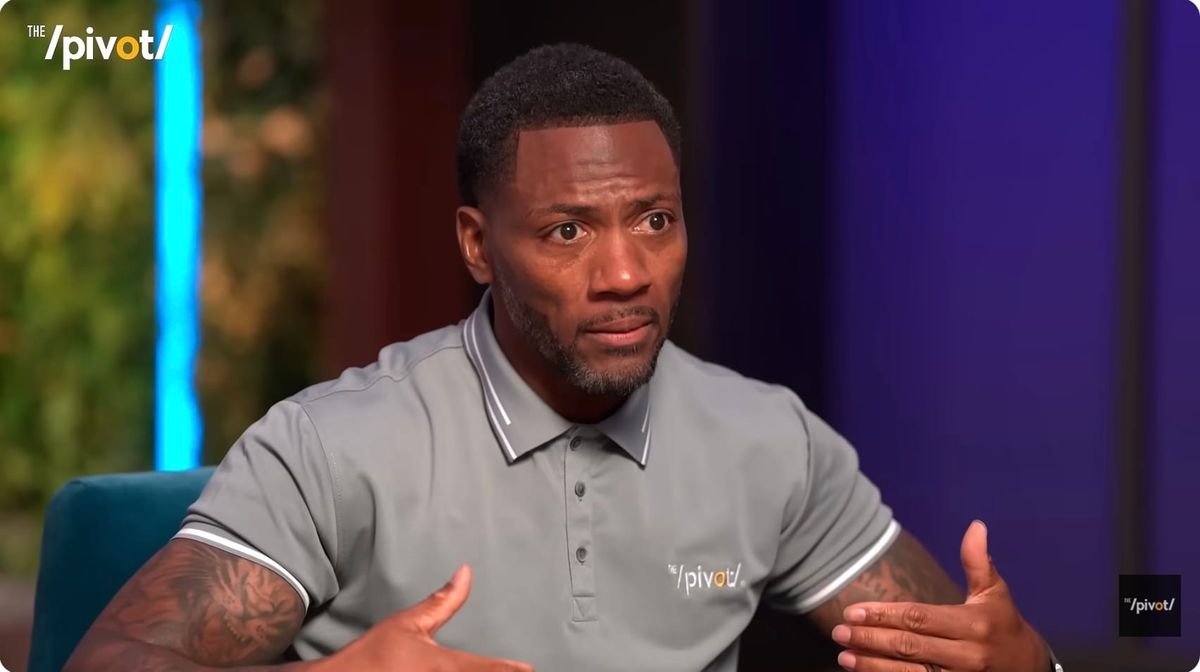
Four days after ESPN fired him, Ryan Clark, the former LSU and Pittsburgh Steelers standout, sat down on his own podcast and did something television never lets him do: drop the shield and bare his soul.
Why it matters: Clark, an award-winning NFL analyst who lives in Baton Rouge, says he cost himself one love—covering the NFL for ESPN—because he refused to abandon a second love—representing the Black community.
Gutted: Clark says the firing came dressed as something else.
- He wasn't laid off. He was fired, then folded into a bigger round of cuts to soften the story.
- He admits trying, near the end, to tone himself down to keep his job. It didn't work.
- The regret is real: "If I could have been different in some ways ... I would say I have some regrets."
Friction: Clark's account surfaces three flashpoints, including two involving former LSU athletes, that ESPN never fully explained.
- Clark publicly declared Kyren Lacy innocent of the fatal crash that led to charges against the former LSU wide receiver, then apologized after Louisiana State Police released contradicting evidence—an apology he says he was compelled into and didn't believe he owed.
- His public defense of Angel Reese, the former LSU women's basketball star, drew executive-level pushback, he says.
- An on-air clash with colleague Peter Schrager over a CeeDee Lamb debate got resolved between the two—but not before Outkick published control-room video Clark says someone inside ESPN leaked to paint him as the aggressor. Reports pinned that clash as a reason for his firing; Clark disputes it.
Defiant: He's not walking away doubting his own worth.
- Clark leaned on his mother's old warning—work twice as hard, be twice as good, and still maybe not get picked—then answered it: "Just because I wasn't picked, that don't mean I ain't chosen."
- The thing he says he'd never trade away is the acceptance he's found back home: "All I ever wanted to do was be accepted."
- He closed the episode certain of his own value: "I walk away knowing that I was the best y'all (ESPN) had."
Money quote: "I love talking football, I love studying it, I love educating people on it ... and I love my community. It doesn't mean I don't love them all—it just means that's the one in particular I could speak from a matter of perspective."
The bottom line: Clark, a Super Bowl champion and Emmy-winning NFL analyst, isn't looking to relitigate his firing. But he is sharing what it cost him to speak up for his community—and it's a price that he'd pay again.