Baton Rouge’s sporting chance
A new report from design firm Gensler gives hard advice to the parish and other places that are building sports venues.
Baton Rouge developers and civic leaders are betting big on sports districts.
A new study from the Gensler Research Institute supports that strategy, finding that sports venues—and the districts surrounding them—can strengthen community ties and shape how people view a city. The report also offers a road map for improving the fan experience, and has some terse advice: make the city work better if you want to build an economy around sports.
Why it matters: Baton Rouge has long searched for an authentic identity that excites residents and attracts tourist dollars.
- Experts have argued that sports could be the city’s differentiator.
- Gensler’s research bolsters the idea that fandom can anchor mixed-use districts around arenas and stadiums.
The backstory: Four known sports destination projects totaling more than $600 million are in the works across Baton Rouge.
- A proposed LSU arena on the former campus golf course would anchor a technology, housing and entertainment district. Attorney and developer Charles Landry is leading the project.
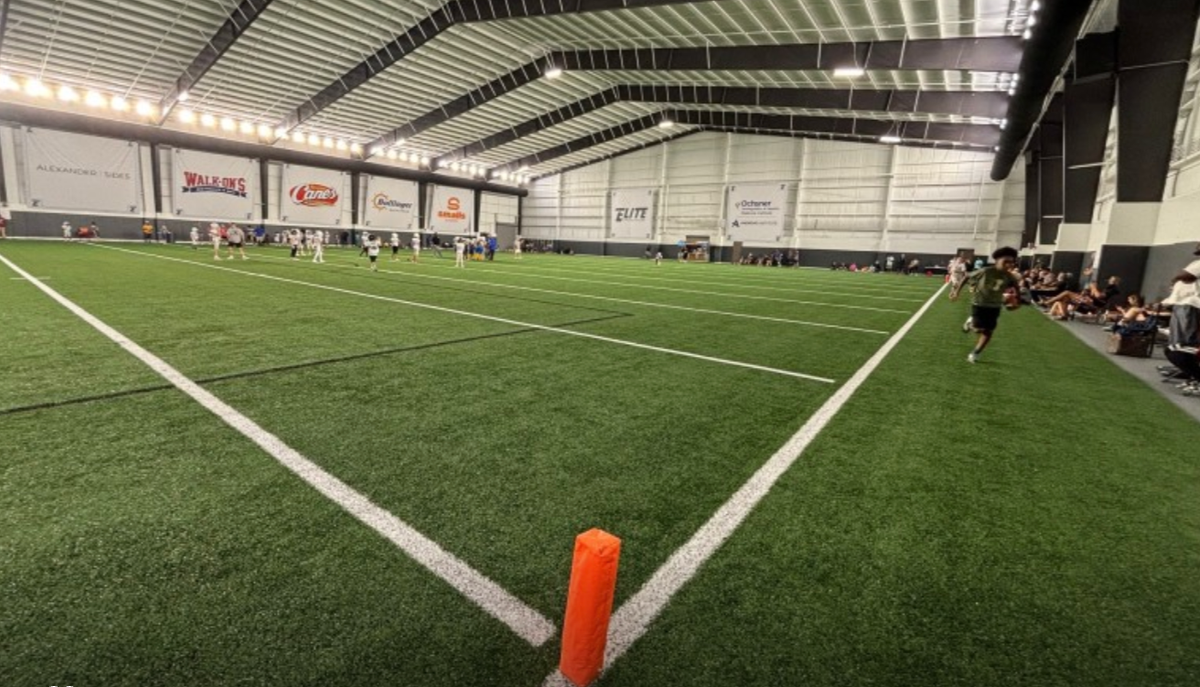
- Elite Training’s Greg Stringfellow wants to build a $100 million-plus youth sports tournament destination somewhere along or near Nicholson Drive south of LSU. He’s still looking for the right site, and has wealthy backers ready to make it happen.
- St. George wants to develop a sports district on 55 acres at Airline Highway and Antioch Road. The city council last week created an economic development district that can levy taxes within the site to help pay for infrastructure.
- Memorial Stadium could be reworked into a sports and recreation district, with soccer driving both fandom and economic activity.
The details: Gensler, a global design firm, studied the FIFA World Cup to understand fandom and measure how the tournament affected people and host cities.
Its research arm surveyed people before and after events and analyzed digital data, including cellphone movement and social media activity.
What they found:
- Residents liked what the World Cup brought to their cities, and wanted more. About 89% said the tournament improved their city’s image.
- Fans used collective words such as “we,” “us” and “ours” 70% more often during the tournament, suggesting sports builds a sense of community.
- People loved watching the matches but were less enthusiastic about ticketing, lines and stadium entry, design problems Gensler says should be fixed.
- Fans enjoyed the venues more than the surrounding districts.
Lessons for Baton Rouge: Gensler says the areas around sports venues can be designed to keep people engaged and coming back.
The firm's more direct advice: Better events start with better cities. In post-World Cup surveys, respondents, both fans and residents, said cities should:
- Offer reliable public transit (42%).
- Prioritize traffic management (41%).
- Create cleaner, better-maintained public spaces (41%).
- Provide safe public spaces (39%).
- Invest across neighborhoods, not only in event districts (38%).
The bottom line: Developers want to invest hundreds of millions of dollars in Baton Rouge sports venues, and Gensler’s research suggests the demand is there.
Done well, these projects could build community, energize residents and bring new money into the local economy. But leaders can’t focus only on the venues: Build a city that works for its residents, and it will work for event-day crowds, too.