
RedEye interview: Butch Spyridon
He identifies a purpose and brand for Baton Rouge, how to sell it, and what the city must confront for economic prosperity.
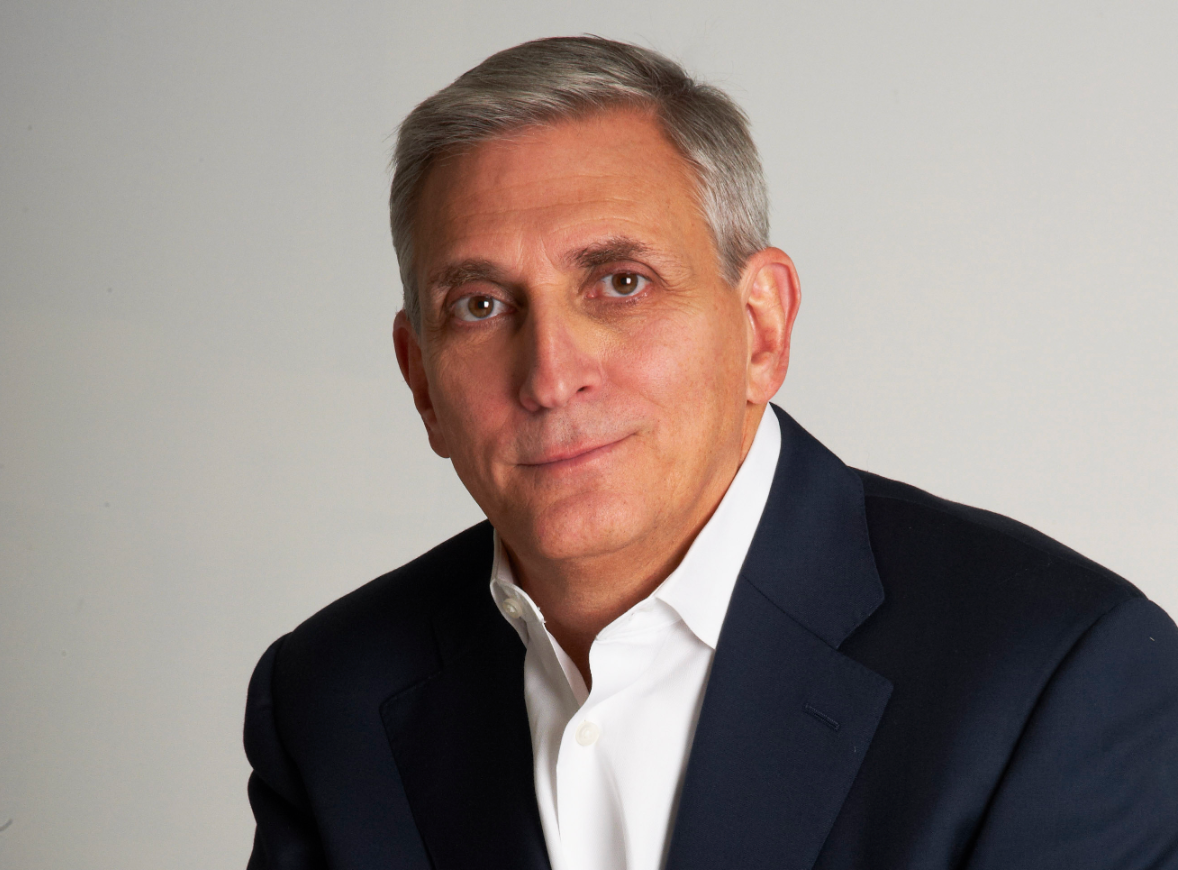
Butch Spyridon helped transform Nashville’s “Music City” moniker from a country-music calling card into a global brand embracing every genre.
His pitch for Baton Rouge: Build the parish’s identity around something it already does better than most cities: sports.
Why it matters: For more than two decades, Baton Rouge has struggled to find a defining purpose that resonates both at home and beyond Louisiana.
- “Culture Capital of the South,” for example, fell flat because the identity behind it never felt authentic.
- A credible brand could attract visitors and investment, creating jobs and bringing new money into the local economy.
The backstory: Spyridon left the top job at Baton Rouge’s convention bureau for Nashville, where he helped turn the city into a global destination and played a key role in landing an NFL franchise.
Now, Baton Rouge officials have brought him back as a consultant on the redevelopment of the Raising Cane’s River Center. The project could include a major arena renovation and a towering convention hotel along the riverfront.
The big idea: Several cities have organized their economies around sports, Spyridon said, but no city has completely claimed the territory. Baton Rouge can.
“You have the facilities, you have the reputation, and you can wrap it in that unique Louisiana culture,” he said.
What he means: Baton Rouge already has strong sports facilities and a culture that knows how to turn a game into an experience. “You take the food, the celebration and the party atmosphere and build on that,” Spyridon said.
What it would take: The parish must become more organized—deciding which projects deserve support, aligning government with investors and community leaders, and recruiting prominent local personalities to help sell the vision.
Several proposed developments could expand the region’s sports economy:
- Greg Stringfellow is searching for a site for a sports complex expected to cost more than $100 million and serve local athletes and traveling tournament teams.
- Lawyer and developer Charles Landry has proposed a new LSU arena.
- Spyridon is working with the parish and Visit Baton Rouge on remaking the River Center.
- A development group plans to transform the downtown Hilton into a Sports Illustrated resort.
- St. George is considering its own sports facility.
Yes, but: The projects must complement one another rather than compete for the same business, Spyridon said.
A tournament complex could bring families to Baton Rouge. A new arena could attract concerts and sporting events. A redeveloped River Center and convention hotel could help the city pursue larger gatherings.
But the parish cannot support multiple major tournament venues chasing the same customers, he said. Leaders must choose carefully and favor projects that bring in money from outside the region.
Location also matters. A large tournament facility should be near hotels, restaurants and attractions that give visiting families reasons to stay—and spend.
What he’s doing: Spyridon has toured the existing Elite sports facilities and contacted the NFL about the possibility of bringing flag football events to Baton Rouge.
The sport is growing rapidly, and Spyridon’s message is simple: Baton Rouge cannot wait for a perfect plan before it begins pursuing opportunities.
The question: How does he persuade residents—especially those who do not care about sports—that this strategy makes sense?
“I think the bigger message is that we have to find ways to diversify our economy and drive revenue,” Spyridon said. “Visitor dollars are the easier dollars, without huge investment and without raising taxes.”
The evidence: Look at Saturdays in the fall, he said, when LSU football draws enormous crowds and generates a surge of spending across the parish.
The opportunity is to create more of those weekends throughout the year.
His advice: Baton Rouge should follow three principles:
- Recognize visitor spending as an economic-development strategy.
- Identify its weaknesses as honestly as its strengths. For Baton Rouge, that means addressing traffic and public safety.
- Establish a long-term vision, and accept that building it will take time.
The model: Spyridon points to Indianapolis, where the nonprofit Indiana Sports Corp works with Visit Indy, venues and hotels as a unified system to recruit and host events year-round.
Since 1979, that strategy has generated more than $4 billion in economic impact. In 2024 alone, Indianapolis booked a record 251,523 hotel room nights tied to future sporting events.
The lesson: Baton Rouge needs to treat sports not simply as entertainment, but as a business-development tool.
Where he would focus: Soccer, volleyball and lacrosse offer the largest opportunities in the youth-tournament market, Spyridon said. Tournaments in those sports routinely draw about 100 teams—bringing players, coaches and families who need hotel rooms, meals and entertainment.
One more asset: Star power.
In Nashville, celebrities eagerly helped promote major sporting events, including the NFL Draft. Baton Rouge could tap its own athletes, entertainers and other well-known personalities to sell the city—and use their influence to strengthen the local economy.
The bottom line: Baton Rouge has no shortage of ambitious sports projects. Building the right ones and organizing a broader strategy around sports for children and adults could grow the parish’s economy while creating a healthier community with opportunities for everyone to get in the game.