An old migration, a new feast
More than 2,000 people are expected for falafel, saj, music and a Baton Rouge story nearly a century in the making.

Long before falafel showed up on Baton Rouge menus, the Lebanese were already here—peddling along rail lines, settling into Catholic parishes, sending word home that Louisiana might be a place to settle down.
Next week, the city gets a chance to see how deep those roots run.
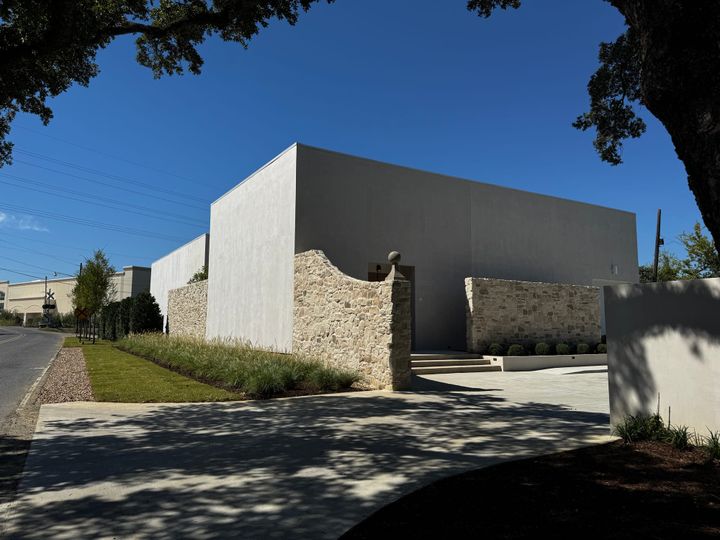
More than 2,000 people are expected to attend the 2026 Lebanese Festival, an all-day affair hosted by the St. Sharbel Maronite Catholic Church. Father Alex Harb calls it a celebration of Lebanon's history and culture. And, naturally, its food.
Baton Rouge already knows its way around a Mediterranean menu. This is something more personal: homemade falafel and saj, the Lebanese flatbread dressed a dozen different ways. Add music, performances, art and gifts, and your lunch may stretch into the evening, when attendees will get to taste Lebanese beer and wine.
The story of Lebanese immigration to Louisiana dates back to the late 19th and early 20th centuries. They came for the reasons people always come: opportunity. Some landed in New York and moved south along the rail lines, selling goods as they went. New Orleans, a port city, opened its own door to them. And for Maronite Catholics, French and Catholic Louisiana didn't feel as foreign.
A few found their footing. Relatives followed. A community took root.
It's still growing. Harb's church is nearing half a century old and counts 300 members, a third of whom are either recent arrivals or people who can trace their families back to Lebanon.
Next Saturday, go say hello.