
From the Levant to Louisiana
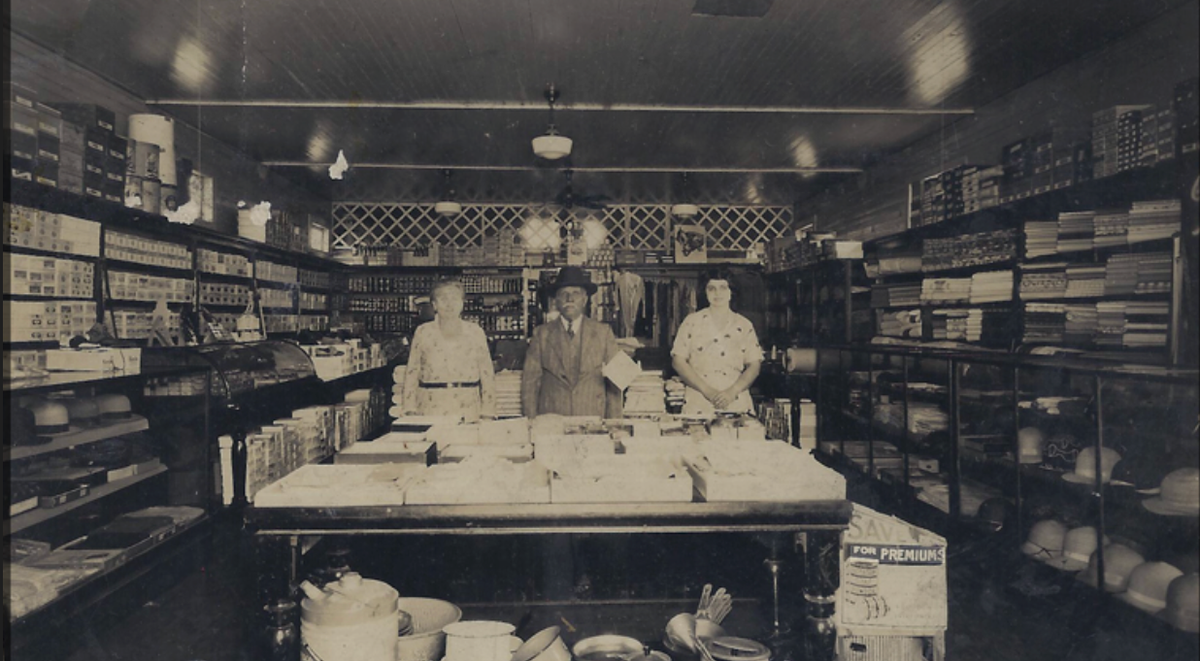
In Baton Rouge, Lebanese food feels so familiar that it's easy to forget where it came from and who brought it here. A shawarma plate at lunch. Hummus on the table, with no one thinking of describing it as foreign.
Lebanese immigrants began arriving in Louisiana in meaningful numbers in the late 19th and early 20th centuries, according to research from Louisiana Folklife. They came for many of the same reasons immigrants always do: opportunity, connection and the pull of people who arrived before them. Peddling drew many early Lebanese immigrants south, some following rail lines from New York. For Maronites, Louisiana’s French and Catholic character made the transition easier. New Orleans also mattered simply because it was a port of entry. And, as with so many immigrant stories, once the first arrivals succeeded, relatives followed.
Names such as Walter Monsour, Charles Landry, Gladys Brown, Gloria Carter and Richard Ieyoub are reminders of the Lebanese legacy in Baton Rouge and Louisiana.
That is a Louisiana story as much as a Lebanese one. People come here, keep what matters, adapt, and what they bring becomes part of us.