One more step for Musk
The rocket carrying Louisiana’s spaceport hopes had a good day yesterday. Not a perfect one.
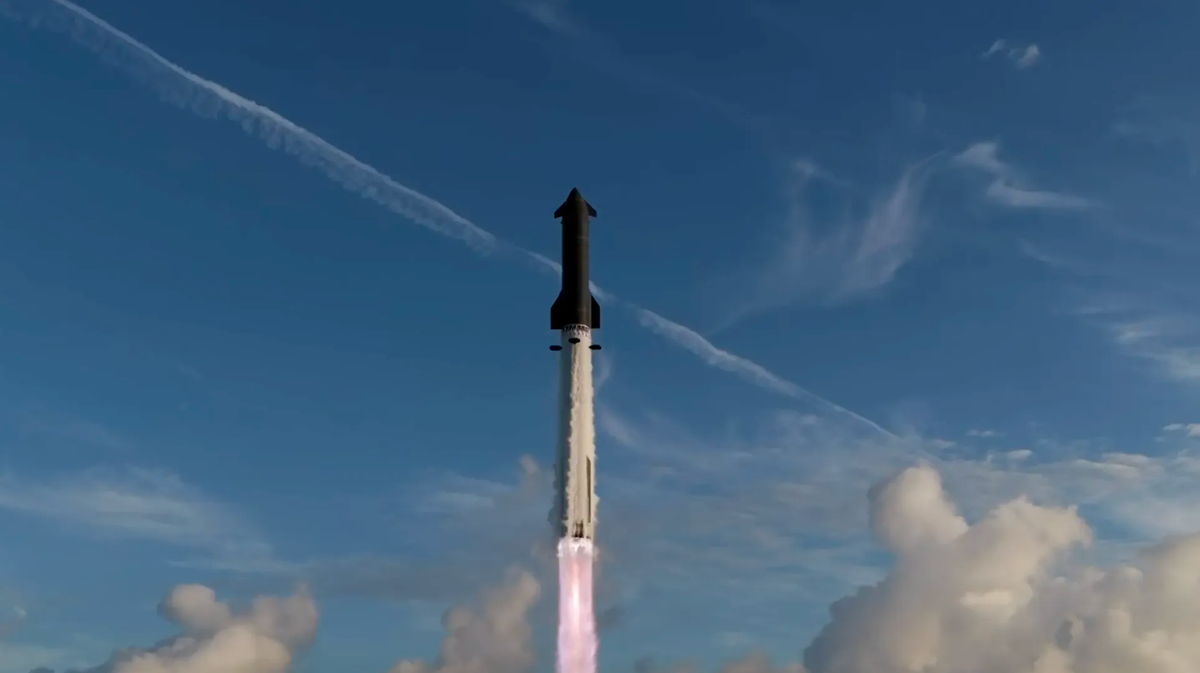
SpaceX’s 407-foot Starship reached orbit on its 14th try and deployed a batch of Starlink satellites.
But one of its 33 engines failed, the mission ended early, and the upper stage burned through the atmosphere before making a controlled splashdown in the Pacific.
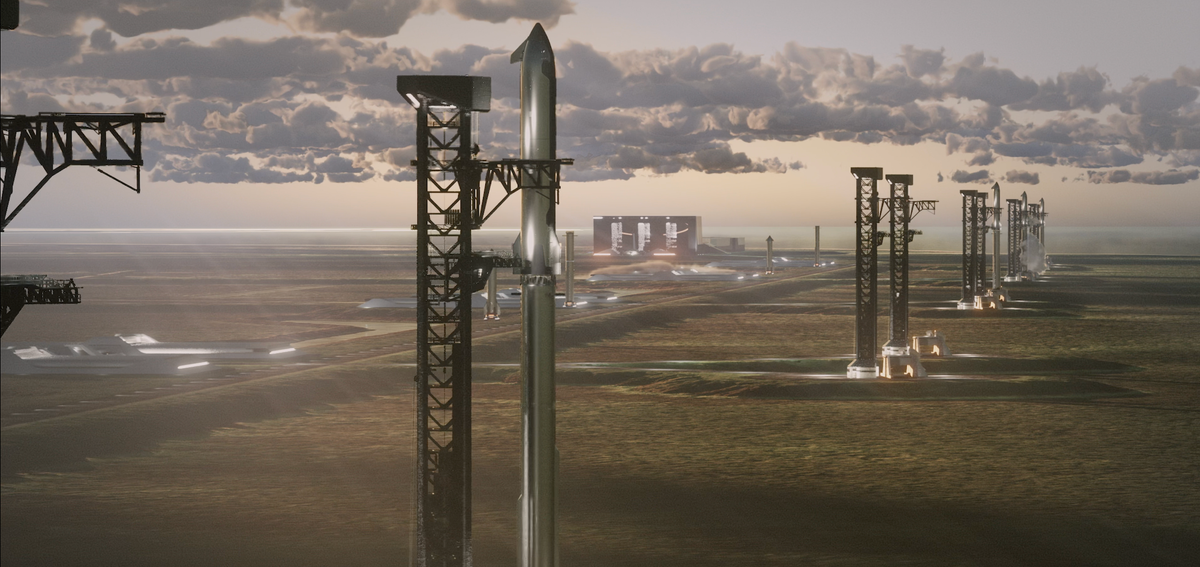
Why it matters: SpaceX wants to spend $100 billion building a Starship spaceport on the Louisiana coast. Elon Musk envisions five launch complexes, each with two pads. That’s more than a launch site; it's an industry.
The pitch: SpaceX says Starship will carry more than 100 metric tons to orbit. That would make room for larger Starlink satellites, trips to the Moon, expeditions to Mars and the more far-fetched idea of putting data centers in space.
Yes, but: Two big things have to go right.
- Reliability: Starship must begin flying more like an airliner than an experiment—frequently, predictably and cheaply. Reaching orbit after 14 tries is progress.
- Demand: Starship can carry more than 100 tons at a time. Somebody has to keep paying to fill it, launch after launch. For now, SpaceX is its own biggest customer, and Starlink satellites are the main cargo.
The bottom line: SpaceX will likely build a spaceport on the Louisiana coast. How big it becomes depends on whether Starship keeps improving—and whether enough customers need that much cargo sent into space.
Put another way: Do enough people want to build on the moon, live on Mars or put data centers in orbit?
- Read our coverage.
 Mukul Verma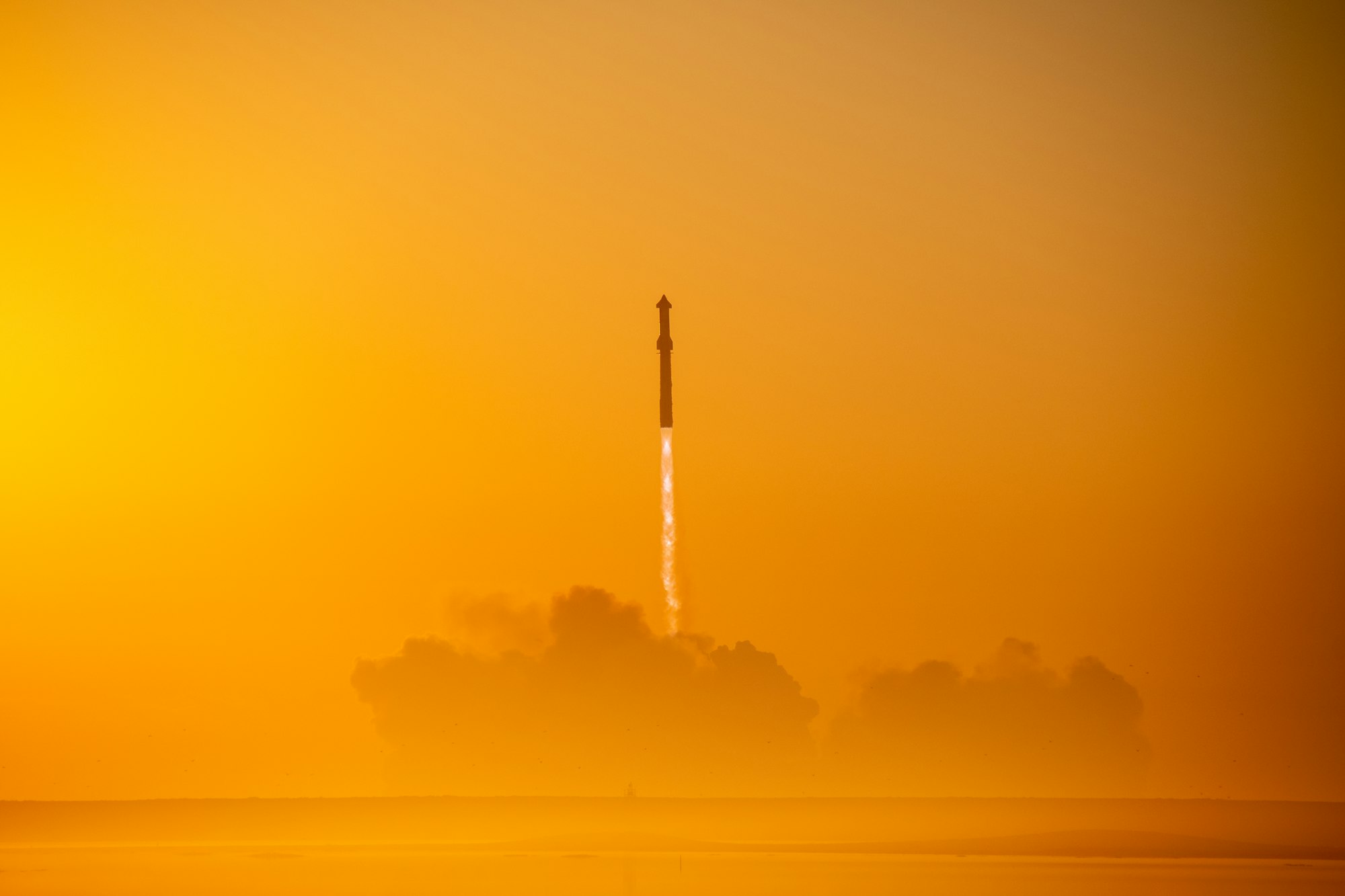
 Mukul Verma