NASCAR comes to Brightside
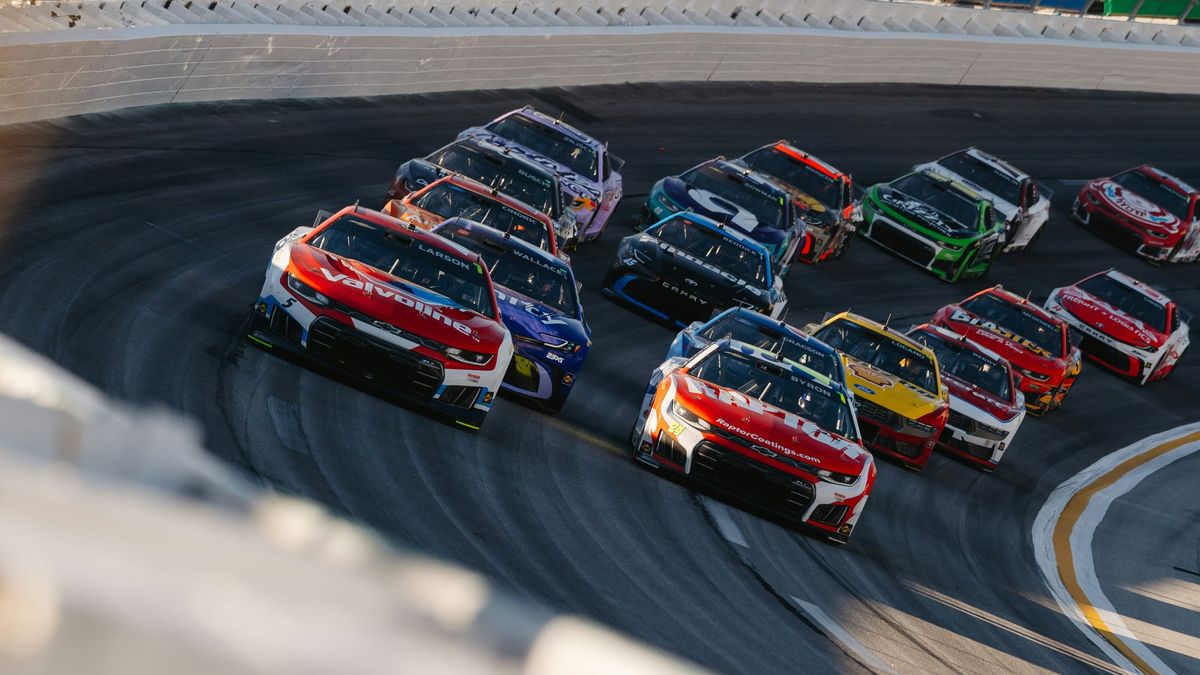
Anyone who lives near LSU knows these simple truths: College-aged drivers aren't too concerned with the sign banning left-hand turns onto Highland from East Boyd; speed limits are suggestions; and, for them, pulling out and merging into traffic is a chance to experience the thrill of bolting from pit road at Daytona.
As it turns out, there's research explaining why these wild and crazy kids do such things, and why the rest of us need to keep our heads on a swivel when behind the wheel.
Blame the brain: Psychologist Laurence Steinberg says two systems develop on different clocks. The reward system—the part that loves a thrill—revs up in the teen years and runs hot into the early 20s. The prefrontal cortex—the part that says "maybe not"—keeps maturing into the mid-20s. Big engine. Brakes still on back order.
Add a passenger: In Steinberg's driving-game experiments, college-age participants took about 50% more risks with friends watching. Teens took roughly twice as many. Adults showed no change. A follow-up study using brain scans found that teens' reward centers lit up when friends were watching. That car full of buddies isn't helping.
It's not all bravado: Donald Fisher, a UMass Amherst professor, has found that novice drivers scan the road less broadly and miss hazards experienced drivers catch. Some of the darting out is bad radar, not attitude.
The number: Young drivers ages 15-24 made up 13.6% of Louisiana's licensed drivers but were at fault in more than 20% of fatal crashes in 2018, according to LSU research.
The Bottom Line: They'll grow out of it…eventually. Until then, this helps explain why downed roadside light poles along Brightside Drive are a routine sight.