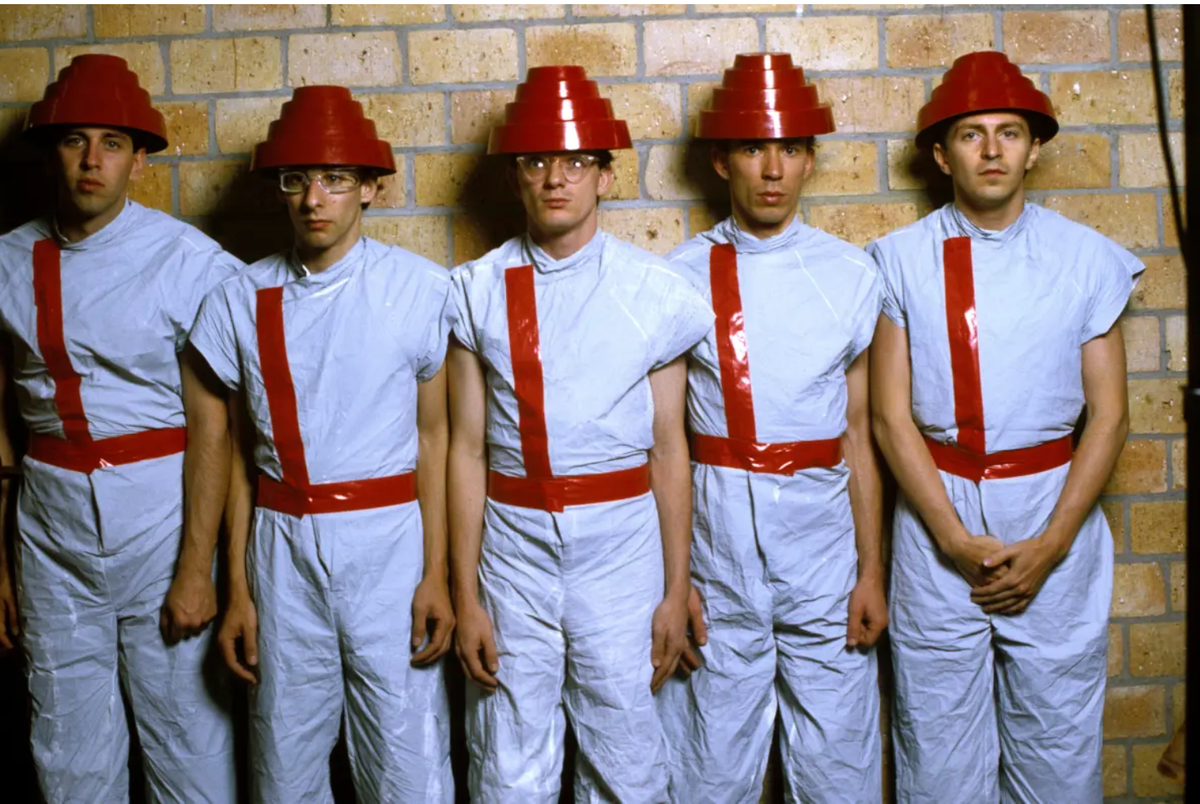
Are we not men?
"Human" is the Cambridge Dictionary's word of the year. It says something about 2026 that the species that writes the dictionary felt the need to look itself up.
To choose a word, editors consult their lexicographers, watch what people search for online and listen to how words get used in the world. Most of all, they pay attention to the company a word keeps. They call that "collocation." Human rights. Human endeavor. Human desire.
Cambridge defines “human” as having the qualities, faults and feelings people have, "as opposed to gods, animals or machines." For most of history, nobody had to mention the machines.
Then along came large language models that could hold up their end of a conversation. They are tools. But talk with one long enough, and you can see why some people start to wonder if somebody’s in there. Already they do some of our thinking for us. How much more of ourselves will we hand over, and what will we become? A few years ago, that was a question for science fiction.
The runner-up was “agent.” Which leaves a question for the years ahead. Will editors keep choosing the words, or will machines one day take over our language and choose them for us?
“I’m sorry, Dave, that word didn’t make the list.”