EBR's poverty crisis
A new BRAF report makes it clear that EBR's economic mobility problem is getting worse, not better.
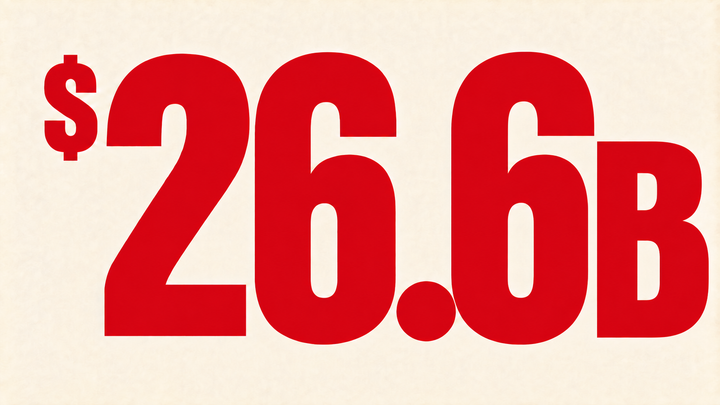
The Baton Rouge Area Foundation released its sixth Opportunity Data Project briefing Monday, presenting the most detailed portrait yet of economic conditions facing East Baton Rouge families—and the numbers don't flatter the parish.
Why it matters: Nearly half of EBR families with children are poor or near-poor, a proportion so far outside the national norm that it demands more than civic hand-wringing. Without a meaningful shift in family economic stability, the parish's persistent struggles in education, public safety and health won't move either.
Details: The report, produced with Common Good Labs, segments parish families with children into three income groups and benchmarks EBR against comparable counties/parishes nationally.
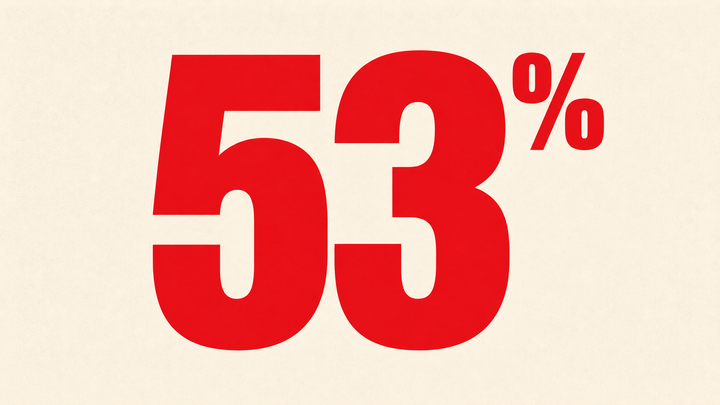
- Around 55% of EBR families with children are middle- or high-income, well below the national average of 70%.
- 20% fall into the near-poverty category, households earning roughly $35,000 to $70,000 for a family of four, the so-called ALICE population.
- 25% are in poverty, earning less than $35,000 for a family of four, nearly twice the national rate of 13%.
- Among primary counties/parishes of the 100 largest metro areas in the country, EBR ranks in the bottom 10 for combined poverty and near-poverty rates.
Stunning fact: The trend line is worse than the snapshot. In 2014, 18% of EBR families were in poverty. A decade later that number has climbed to 25%, while the share of middle- and high-income families has declined from 58% to 55%.
The Big Picture: The geography of poverty in EBR is not a simple north-south divide.
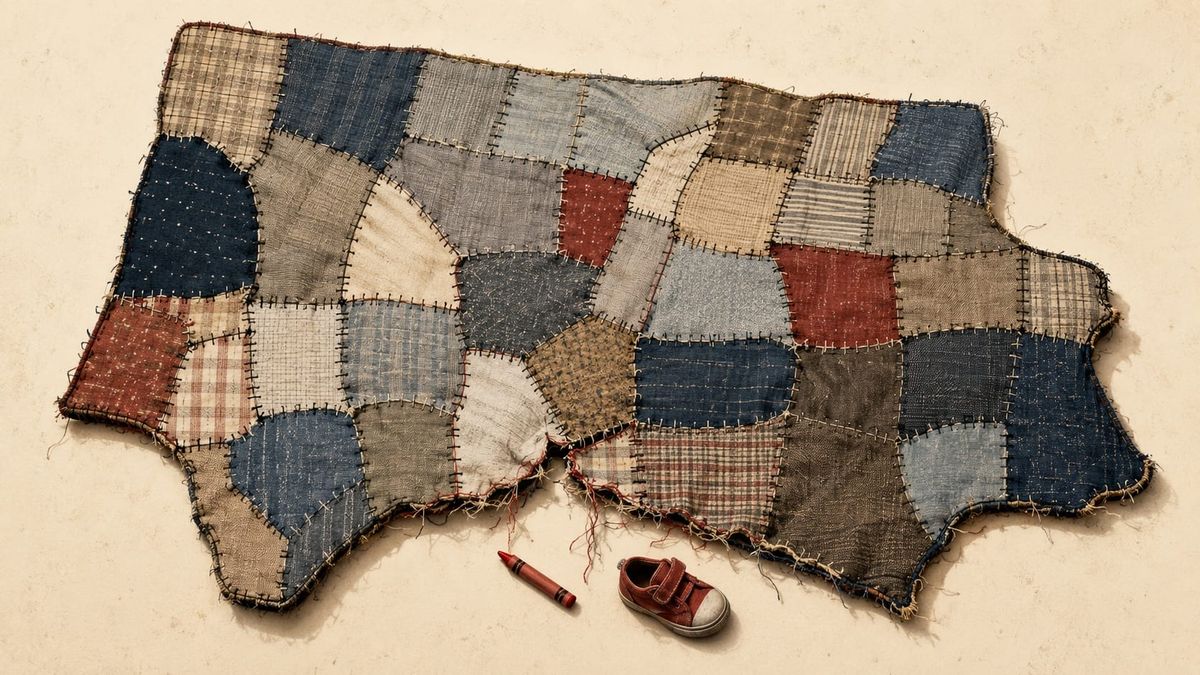
- Common Good Labs researcher Rhett Morris described income distribution across the parish as a "patchwork quilt."
- Higher-income households are concentrated in St. George, Zachary, Central and parts of Mid City and South Baton Rouge, such as Bocage and Southdowns.
- Lower-income families are clustered in older residential corridors in North Baton Rouge and neighborhoods bisected by interstate construction in the 1960s.
- The outward migration of middle- and high-income families has left aging school infrastructure, Mid City businesses and public services with fewer resources and customers.
All about the kids: The pressure falls hardest on families with the youngest children.
- Poverty households are more likely to be single-parent and to have at least one child under six.
- Federal data puts the cost of full-time infant care at roughly $8,000 per year—for a family earning $35,000, that's not a budget line, it's a crisis.
- Nearly half of lower-income renters are severely rent-burdened, spending the majority of their income on housing.
- Over 80% of children from poverty and near-poverty households attend public schools rated C, D or F by the state.
Changing course: The report identifies five broad strategies with evidence behind them: 1) increasing postsecondary attainment, 2) expanding apprenticeships and employer-based training, 3) improving access to early childhood care, 4) supporting small-business development among lower-income residents and 5) increasing housing affordability.
The gap: The report is a rigorous diagnosis. What it doesn't provide—and what panelists at Monday's public presentation couldn't fully supply either—is a funded, coordinated action plan with accountability attached. Greater Baton Rouge Economic Partnership President Lori Melancon said what others in the room were thinking: Baton Rouge has "a very low appetite for friction" and has long avoided the hard conversations required to change course.
The Bottom Line: EBR has the data. What it requires is the will to act.

RedEye watches public meetings.
So you can watch something better.
RedEye turns three hours of motions, posturing and “brief remarks” into a few minutes of useful news. Support local journalism that respects your time.