It's not your forever neighbor
Nobody told you it was, which can become a problem when that tree-filled lot wants to become something else.
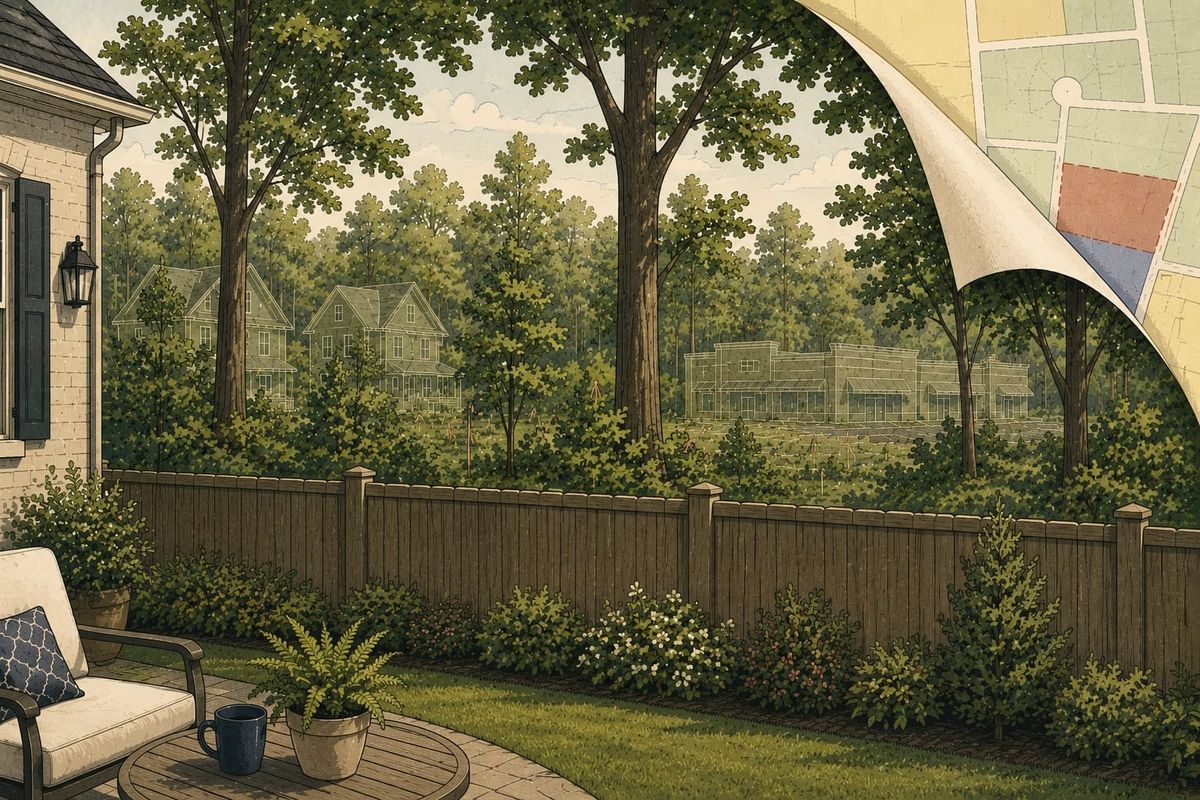
It's a tale as old as time: A real estate developer goes before a public hearing seeking approval for a project, and all decorum evanesces as neighboring resident after neighboring resident demands denial. The usual "whys": traffic, drainage, flooding and the destruction of the area's character. These people are broadly known as NIMBYs. But what happens when the backyard—or at least its zoning—got there first?
In a parish that loves its property rights, what takes precedence: when the adjacent property was zoned or who was the first to build?
Answer: It's left up to the whims of the particular planning commission or city council, though threats of legal action are on the rise.
Why it matters: As residents continue their sprawling expansion to the outer rims of East Baton Rouge and deeper into neighboring parishes, many of these neighborhoods are being built on or around land zoned for commercial or industrial development.
Reality bites: Nowhere among the some 936 pages a would-be homebuyer must read, digest and sign before getting the keys is a disclosure form that makes clear the zoning of any adjacent or nearby property.
- Louisiana law requires sellers to disclose plenty: structural defects, flood history, lead-based paint and mold.
- What it doesn't include—anywhere—is a line informing the buyer what the person or entity who owns the lot next door is legally entitled to build on it.
💡Modest proposal: Require sellers—or their agents—to disclose the current zoning classification of all adjacent parcels before closing—one page. Public records already contain everything needed. The zoning map is not a promise. Buyers just aren't being told that.
Another option: Stop seeking nirvana through sprawl and purchase a house in an already fully developed, street-grid-loving part of Baton Rouge. Dramatic, sure, but at least you'll know your surroundings.
Here in the real world: That gap has consequences, and they're playing out right now in St. George.
- The Kleinpeter family has owned roughly 45 acres at the I-10/Pecue Lane interchange for more than a century. The land has carried C-2 Heavy Commercial zoning since 1994, years before the Woodridge subdivision next door existed. With St. George implementing its own zoning code, neighboring residents and the city want to claw back what can be built on the Kleinpeter's land.
Say what: "When people buy a home, they want that adjacent tree-filled lot to be their forever view, and bitterly complain when the reality of eventual development happens. Guess what, your development likely destroyed someone else's backyard utopian view," says a developer responsible for numerous residential and commercial projects across the parish.
The bottom line: The information exists. The requirement doesn't.