AI to reduce poverty
A Maryland project could be duplicated in Baton Rouge to make government more efficient
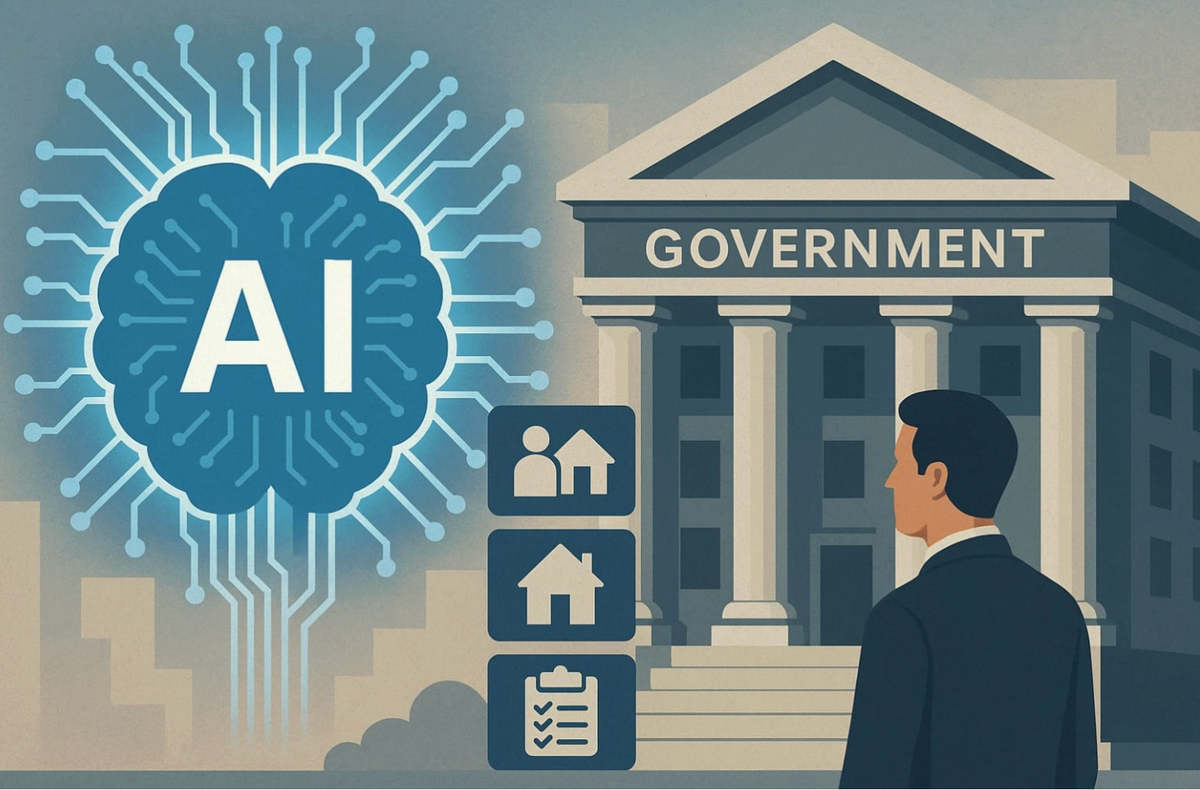
Maryland is becoming the first state to put AI to work inside government to make life easier and reduce poverty. It’s an early look at how AI may serve people and lift the quality of life. Louisiana and Baton Rouge can learn a lesson; poverty rates here are among highest in the nation.
The details: Maryland has partnered with Anthropic (brains of Claude) and a firm called Percepta that specializes in fixing the nuts-and-bolts of government. The Rockefeller Foundation is backing the effort, giving it a philanthropic seal of approval.
What’s happening:
- A Claude-powered assistant will help residents apply for benefits, update their info, track applications and discover other programs they qualify for.
- Percepta is taking on permitting and licensing timelines—and helping Maryland accelerate housing development.
- And Maryland already has a proof point: a bilingual Claude Sonnet chatbot that cut call volume and helped more than 600,000 households get SUN Bucks food benefits last summer.
What it means: AI can streamline the whole process of applying for food assistance, unemployment, disability benefits and more. For millions of families, this is the difference between getting help on time and falling through the cracks.
Why it matters here: With stretched budgets, Baton Rouge could use AI to improve services, such as far quicker permitting. Faster approval of permits would cut costs for businesses and let housing get built sooner. The same approach could apply to Public Works: use sensors and data to spot infrastructure failures early, rank repairs by risk and cost, and automatically schedule the right crews and equipment. And so much more.