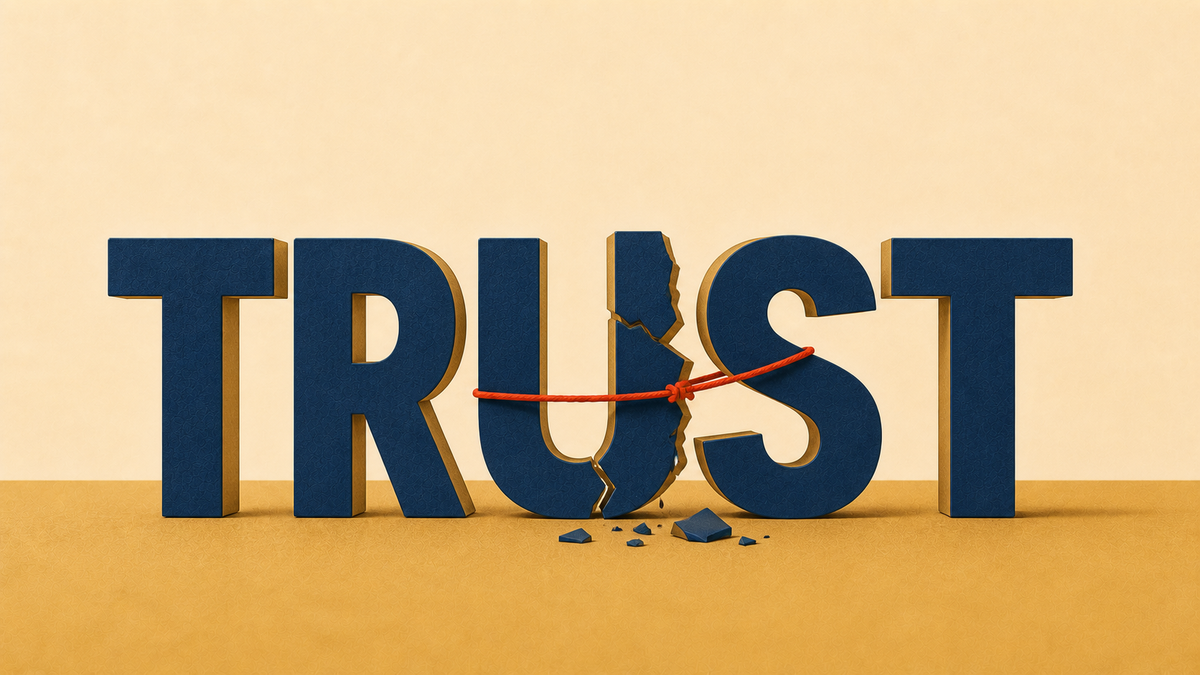
Who can you trust?
Given the indictments, firings and very public fumbles, it's a question in search of an answer.
LaMont Cole, head of the Baton Rouge public school system, has been indicted for actions allegedly committed while serving on the Metro Council. Let's be clear: there's a canyon of difference between indicted and guilty. But let’s not kid ourselves: Cole’s addition to a list that already includes a sitting Metro Council member, a former CATS official and a high-ranking aide to a former mayor does little to inspire trust in the leaders of this city and parish.
Why it matters: Cole's indictment is the latest frustrating blast fueling a crisis of confidence engulfing a community already predisposed to mistrust and a fear of change.
Law & Order: Cole's indictment joins him with Councilman Cleve Dunn, Pearlina Thomas, the former CATS CAO, and Courtney Scott, a top staffer for former Mayor Sharon Weston Broome. Seven others, who worked under city-parish contracts, also face charges.
- The state attorney general's corruption enforcement has landed almost entirely on Louisiana's two largest cities, both of which are majority Black.
- Whatever the motivations of AG Liz Murrill, the Baton Rouge Black community has been given another reason not to trust the established power structure, especially after redistricting earlier this year left Louisiana with but one majority-minority district.
A matter of trust: The state's criminal probe isn't our only theater of mistrust.
- The past two weeks have seen the heads of CAFA (Mark Drennan), Build Baton Rouge (Deidre Deculus Robert) and the DDD (Whitney Hoffman Sayal) "retire," "resign," and fight to keep her job, in that order. Meanwhile, the Partnership, the region's business voice, hunts for a new leader three months after a less-than-mutual parting with its last one (Lori Melancon).
- BRAF, the major community foundation, engenders little trust with those outside the confines of the well-heeled and downtown insiders. There are real and imagined reasons behind this, but it has led to the fermenting of multiple conspiracy theories, especially over the future of City Park.
- No one is happy with the master plan processes playing out with City-Brooks Park and the University Lakes. There's mistrust of BREC, BRAF and Sasaki, the firm handling both projects (not to mention Plan Baton Rouge III), fueling a web of stratagems.
- Consequently, there's skepticism about the concept of a conservancy managing the lakes and City Park, rooted in machinations about who will control it and who will profit.
- What's fact, fiction or fantasy isn't important here. What matters is what the community believes.
- More broadly, the wounds remain raw on both sides of the St. George incorporation. There's now a lawsuit, ostensibly about a zoning dispute, challenging the very incorporation of what's currently Louisiana's fifth-largest city.
The Big Picture: Baton Rouge has been held back for decades by its trust issues with local government, a runaway fear of string-pulling political insiders, and a severe allergy to change. "No" is our knee-jerk response, never "how" or "why not."
- Changing the narrative is almost impossible when there's so much uncertainty—and let's admit it, mistrust—in those who lead our city and parish, or finance the big ideas.
Good things are happening: If one is willing to look beyond the headlines, there are some truly positive and necessary changes taking place.
- The mayors of the five EBR cities have been meeting to resolve a variety of issues and perhaps build a modicum of trust with one another—though Mayor-President Sid Edwards blindsiding his own council last month with a secret St. George side deal is a reminder that trust-building cuts both ways.
- The library just had a major tax approved by its largest margin in recent memory and remains a shining star of how a public agency can operate.
- Cole, regardless of his legal difficulties, has done a masterful job at boosting morale within the public school system, building bridges of trust with the school board and the community, and making real improvements in the classroom.
- BREC has made a series of positive systemic changes to its operations over the past year, has caught up on past-due audits and is exploring some bold ideas.
- Is everyone happy with all the proposed changes? No, but such is life in a democracy—and even more so in a parish of silos that views every issue through the prism of "what about me?"
The Bottom Line: These government and civic agencies—and those inside them who have been motivated by greed and self-interest—have worked hard to squander the public's trust. The harder job will be earning it back. Leaving all of us with this question: Are we willing to abandon our parochial bunkers of suspicion, conspiracy and cynicism long enough to give trust a chance?