
When can we stop talking about Cyclospora?
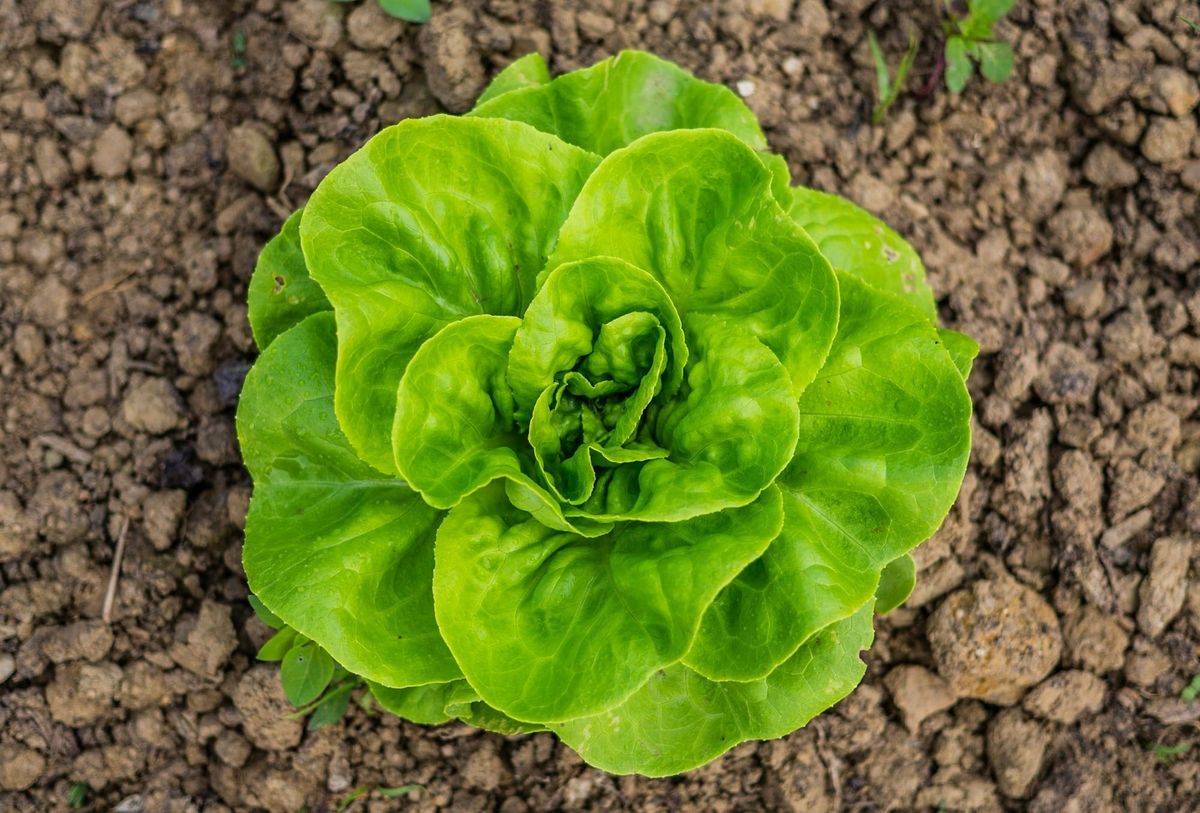
You would think modern science could have vanquished the nasty parasite by now, along with public discussions of unmentionable things that happen in bathrooms.
Not yet.
The cyclospora outbreak linked to recalled iceberg lettuce from central Mexico has caused more than 6,700 illnesses and 11,500 additional suspected infections across 41 states, according to the FDA.
The good news is that the lettuce should be gone. Taylor Farms recalled it July 17, and the final use-by dates passed Aug. 3. Still, some bags are bound to be hiding behind a jar of mayonnaise in somebody’s refrigerator. To the hungry salad lover who considers expiration dates government propaganda, we wish good luck and hope you have an Amazon account that delivers toilet paper.
The case count will keep climbing even if new infections have stopped. Cyclospora generally takes about a week to produce symptoms, but it can take up to 14 days. Then patients must visit a doctor, get tested and be connected to the outbreak. The CDC estimates the entire reporting process can take six weeks.
There are also people already sick who have not sought medical help, and others who recovered without ever being tested. They will either appear late in the statistics or never appear at all.
Cyclospora is not new, and not every case reported this summer came from the recalled lettuce. The parasite regularly causes infections during warm-weather produce season, usually through food or water contaminated with human feces.
Meanwhile, anyone seeking lower-mileage lettuce probably will not find much conventionally grown at the Red Stick Farmers Market. August is not lettuce season in south Louisiana, although a hydroponic grower may save your salad.