
Stay the course
The new school board has will have to take on some big issues. Taking down the superintendent is not one of them.
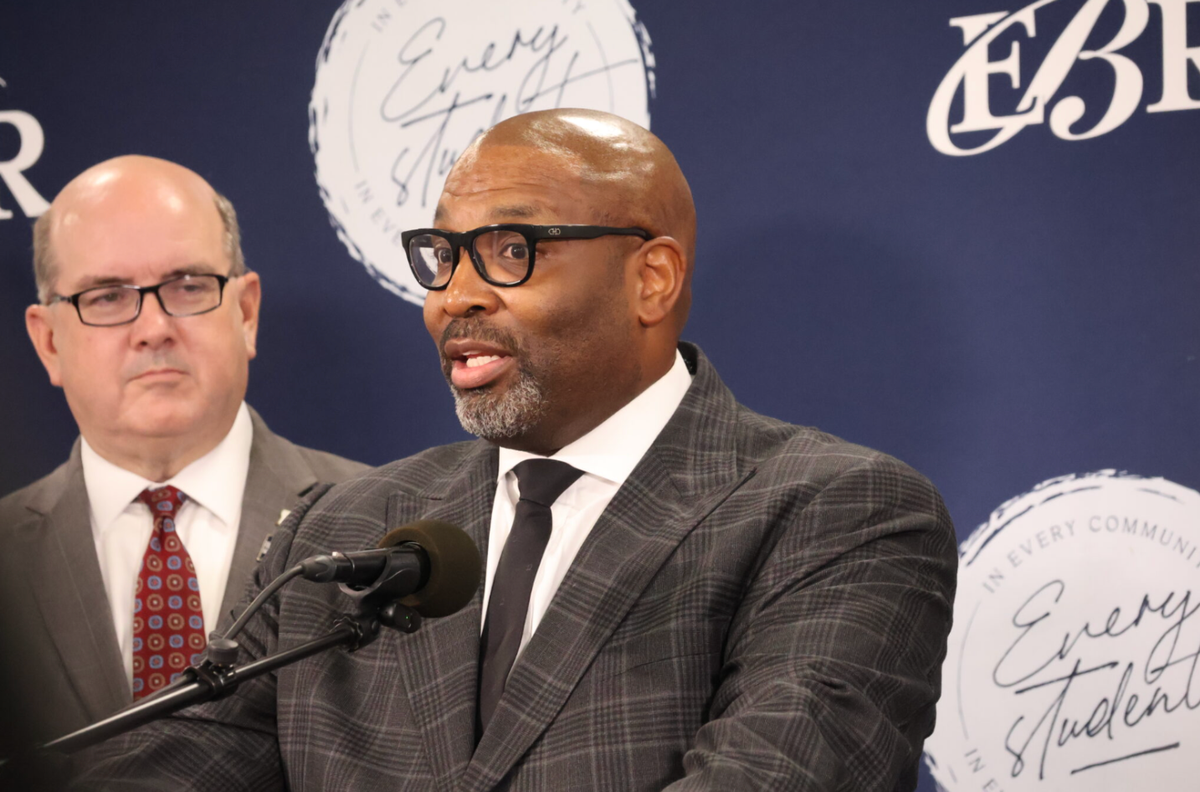
For once, East Baton Rouge School Board candidates aren’t running against the district. Nearly all of them are promising to keep the progress going under Superintendent Lamont Cole.
Why it matters: Students do better when schools are stable and improving, and strong schools are among the parish's best tools to combat its high poverty rate.
The details:
- Seven of the nine seats are contested. Patrick Martin and Cliff Lewis were re-elected without opposition.
- Cole's indictment, on corruption charges from his Metro Council days, hasn't become a campaign issue, a quiet vote of confidence in the job he's done.
- Mike Gaudet and Dadrius Lanus, the two board members who opposed Cole, have mostly kept quiet. They don't have the votes to challenge him or his policies.
- "The story of this cycle: It's rare to see people running on a platform that the district is doing the right things," one school board watcher tells RedEye.
What's next: Insiders see a few issues defining the next 21 months, the time left on Cole's contract.
- Don't expect the board to turn on Cole over the indictment. That would mean buying out the rest of his contract. His base salary is $285,000 a year.
- Enrollment is shrinking. Birth rates are falling nationwide, and public schools here compete with charters and with families leaving Louisiana for opportunities elsewhere. How many students the system keeps will decide how it manages a tighter budget.
- St. George could pull more students away. The city, which failed to win its own school system at the ballot box, wants to sponsor state-approved charter schools.
- The district is also drafting its next facilities program, a complicated job led by consultant Pamela Whitley. That plan will become the pitch to keep property taxes when funding for its building program runs out in 2030.
- The choice: build new schools fast, giving parents something to cheer and neighborhoods something shiny, or stay pay-as-you-go, which saves money but makes future students wait.
- The system is spending $40 million now on quick improvements and smaller projects, which one insider sees as an opening to build sooner.
The bottom line: The new board will keep following Cole's lead. If he goes to trial, all bets are off. Either way, two big decisions are coming: how to stop losing students and whether to build fast or let new schools trickle out over time.