
The road not fixed
Why Baton Rouge keeps building roads it can’t afford to maintain, and why traffic will only get worse.
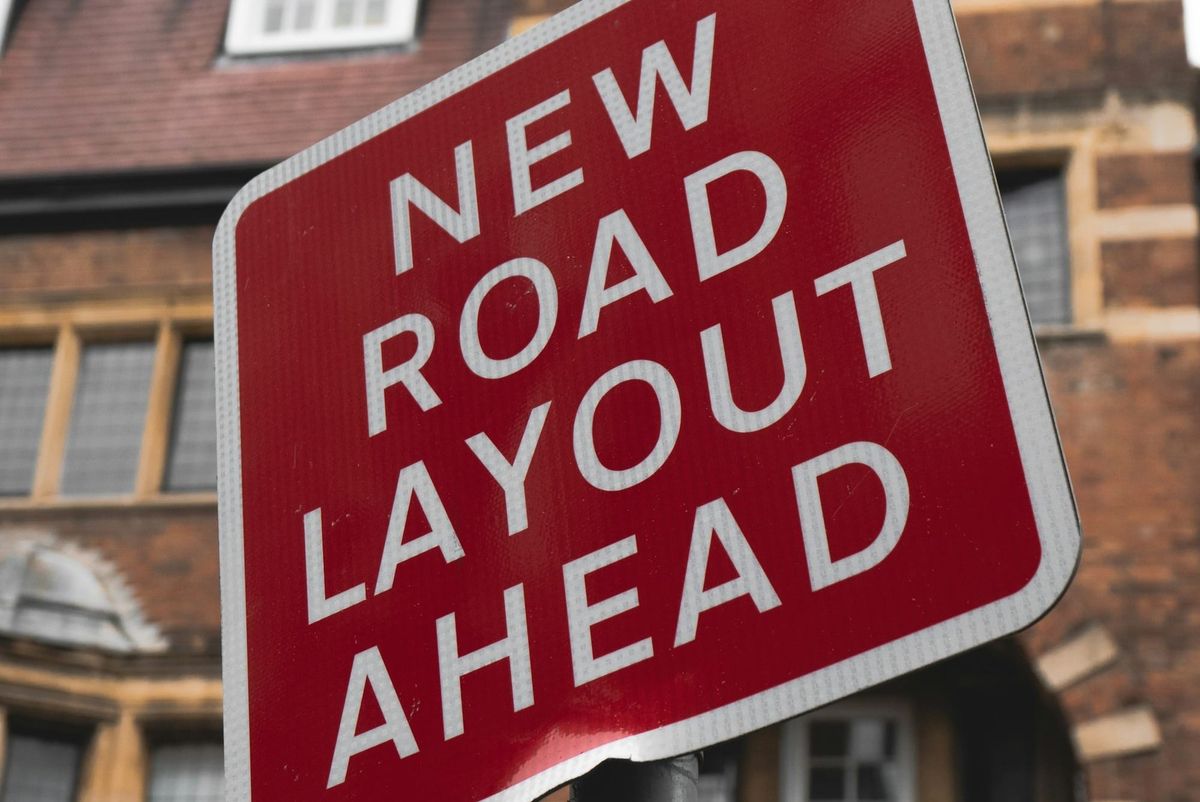
East Baton Rouge is building a billion dollars’ worth of new roads while scraping together about $16 million a year to fix the ones it already has. That math isn’t unusual, Smart Growth America CEO Beth Osborne told the annual CPEX Smart Growth Summit on Wednesday—it’s the American way.
Why it matters: The pothole you hit this morning was a choice, driven by budget decisions and the political reality of residents cheering new roads while complaining about the hassles of dealing with a road under repair.
Local math: The city-parish gets roughly $16 million a year for overlay work, while MovEBR’s half-cent tax is funding a $1 billion, 30-year construction program.
- Osborne called the comparison “exactly right,” though Rinaldi Jacobs, interim executive director of the Baton Rouge North Economic Development District, countered from the audience that MovEBR also pays for sidewalks and bus shelters.
- Without a new program, the parish will be “out of rehab money” in 2030, transportation and drainage director Fred Raiford told RedEye in June.
- Leaders call a new road an asset, Osborne said, when it is “in fact, a liability”—and nobody budgets for the upkeep.
- Her math: at $47,300 a year per lane-mile, the 161 lane-miles added in Baton Rouge from 2017 to 2024 carry roughly $7.6 million a year in upkeep, nearly half the repair budget. Osborne made clear that new road-related developments don’t generate enough tax revenue to cover upkeep.
- City-parish engineers told RedEye new subdivision roads often need rebuilding in about 10 years.
Statewide: Louisiana ranks ninth for federal-aid roads in poor condition and seventh for structurally deficient bridges, yet Osborne said the state transportation department reports splitting its spending about 50-50 between new capacity and repair.
- Louisiana gets about $1 billion a year in federal money and needs about $780 million to keep federal-aid roads in shape, yet ranks 41st in road condition.
- Where does it go? “To build new stuff that you won’t be able to afford to maintain,” Osborne said.
- New construction is fun and politically advantageous, she added, and that's the incentive she wants to change.
The national view: Louisiana isn’t alone.
- Congress authorized $56.8 billion in fiscal 2024, short of the $43.2 billion needed to keep federal-aid roads in acceptable repair, according to Smart Growth America’s Repair Priorities report.
- Between 1993 and 2017, the 100 largest cities grew population 32%, freeway capacity 42% and congestion 144%, and “we are pouring money into a system that produces terrible results,” Osborne said.
The big picture: Traffic will only get worse in the decades ahead, because Baton Rouge keeps stacking new roads, a $1.1 billion I-10 widening and subdivisions that connect to nothing—the same inputs behind a 337% jump in congestion from 1993 to 2017. This is especially true when more than 80% of I-10 traffic is local, meaning people use it as a de facto Main Street rather than an interstate.
- Connecting subdivision streets already built and maintained would ease congestion, Cordell Haymon, a philanthropist, retired business leader and longtime Smart Growth advocate, argued from the audience—yet nobody is planning it.
The bottom line: Until someone prices upkeep before the ribbon-cutting, Baton Rouge will keep building roads it can’t afford to fix—and the traffic will only get worse.