
The invention that birthed McMansions
Give thanks to the gang-nail plate.
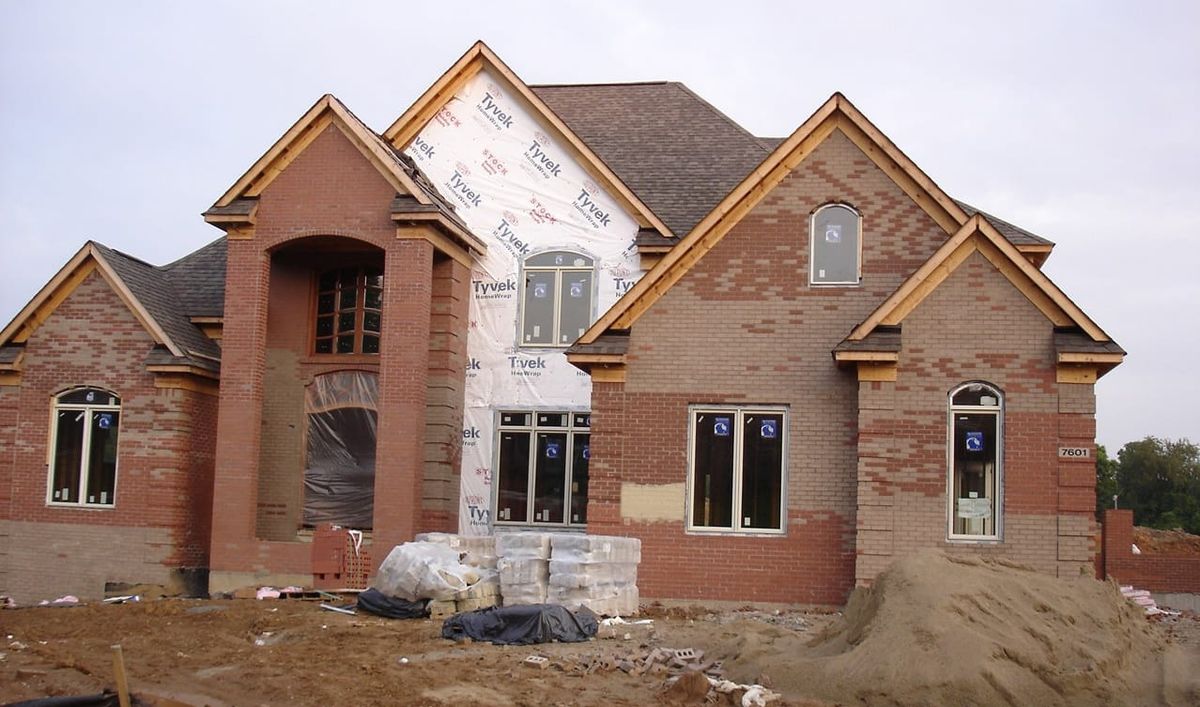
Somewhere in a neighborhood near you—and maybe even yours—there's a McMansion standing because of a piece of spiked metal you've never heard of and definitely never thanked—or cursed, depending on your perspective.
Meet the gang-nail plate: a stamped sheet of steel with dozens of tiny teeth, patented in 1955 by a Florida engineer named Cal Jureit. His original goal wasn't excess—it was survival. Hurricane winds kept tearing the roofs off Miami-area houses because the old way of joining rafters, toenailing, was basically a carpenter angling a couple of nails and hoping for the best. Jureit's plate pressed dozens of teeth into the joint at once instead, and it held. Simple. Cheap. Effective.
Then it got out of hand. Rather than building better, we chose to build bigger.
That same little plate made prefab roof trusses cheap enough to mass-produce, and trusses meant the whole roof could rest on the exterior walls instead of a maze of interior ones. No interior load-bearing walls is exactly how you get sprawling open floor plans, cathedral ceilings and a roofline with more peaks than a mountain range—the exact features that turn a house into a McMansion. Drive any newer subdivision from Zachary to the edge of St. George and you're looking at Jureit's little invention, dressed up and showing off.
Architecture YouTuber Stewart Hicks put it best: the modern McMansion is a "super-sized symbol of excess." Built, ironically, on an invention designed to survive the very hurricanes Baton Rouge knows all too well.