
The ties that bind and divide
Civic health is about the relationships, trust and willingness to work together.
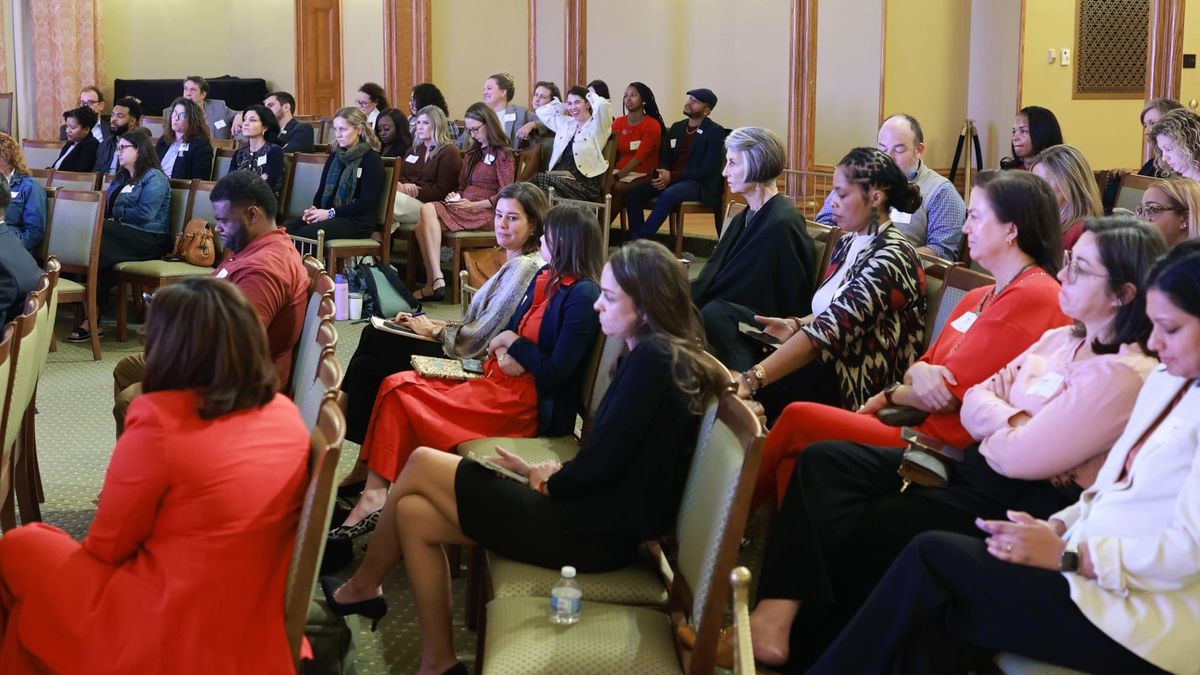
Baton Rouge has no shortage of people who care about their community. But caring about a place and having the collective ability to make it better are two different things.
That distinction was central to a discussion of Baton Rouge's civic health during Leadership Baton Rouge's Exchange Day 2026, held earlier this month at the Old State Capitol. RedEye's JR Ball joined Southern University's Dr. Robyn Merrick for the conversation.
Civic health isn't simply about how well government functions. It's about the relationships, trust and willingness to work together that allow a community to solve problems and build a better future.
Robert Putnam's Bowling Alone offers a useful framework. Bonding capital connects people within familiar circles—families, churches, neighborhoods and longtime friendships. Bridging capital connects people across racial, economic, geographic and political differences.
Baton Rouge has plenty of the former. The challenge is developing more of the latter.
And the symptoms of poor civic health are familiar: racial and geographic divisions, institutional mistrust, resistance to change and the curse of low expectations.
Established networks too often determine who gets a voice in consequential decisions. Public debates become exercises in assigning blame rather than accepting responsibility for solutions. And good ideas can spend years fighting for permission to exist.
Yet there's reason for optimism. From neighborhood cleanups to citizen-led infrastructure improvements, residents are finding ways to work together across traditional boundaries, sometimes moving faster than the institutions meant to serve them.
The challenge is turning that civic energy into lasting progress.
A healthier Baton Rouge requires more than inviting different people to the table. It means sharing influence, accepting responsibility and giving people a genuine opportunity to shape the community's future.