John Noland, we thank you
A remembrance of a sharp-witted businessman, trusted adviser and devoted champion of the city he never stopped pushing to be better.
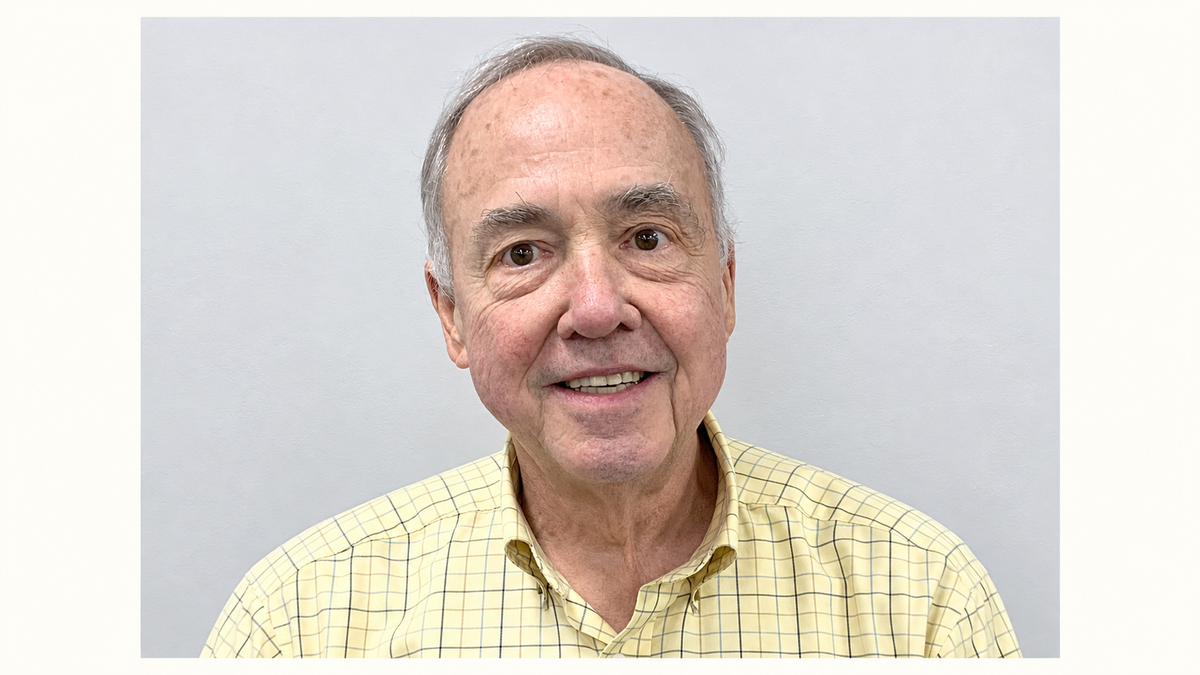
Whenever John Noland rose to speak, the room came to a stop. Those gathered would wait in quiet anticipation for some hard-won wisdom, delivered in a language unmistakably his own and punctuated—always—by humor.
One story tells you much about him. After missing several Baton Rouge Rotary meetings, John was informed that he would have to make them up by attending a meeting of the Amite Rotary—or be dismissed from the club.
“Amite!” he said. “That was God’s way of telling me I no longer needed to be a Rotarian.”
John died Tuesday evening in North Carolina, surrounded by his family. The Nolands had long escaped the heat of Baton Rouge summers there, often with a revolving cast of friends from home.
His favorite meal was gumbo at the City Club. He had learned the value of a good hot sauce years earlier at boarding school, where bottles of Tabasco made the meals worth eating.
John ran a successful development business and later partnered with Matt McKay to build All Star Automotive. For many years, he also served on the board of Coca-Cola United, where, as he liked to say, he cashed checks “for doing almost nothing.”
That, of course, wasn’t true.
Businesspeople sought John out when they reached a crossroads or were considering something new. He had a rare ability to listen carefully, see the heart of the matter and offer precisely the advice they needed, usually in words no one else would have thought to use and no one who heard them would forget.
He was one of the original three Johns: Noland, John Barton and John Davies. Perhaps Noland's greatest contribution was recruiting Davies to lead the Baton Rouge Area Foundation.
With the help of generous people across the community, the Foundation grew from $5 million to more than $700 million in assets. Along the way, it helped make possible visible improvements across the region: rebuilding downtown, responding to storms, making South Louisiana more resilient, building the Shaw Center for the Arts, starting the Water Campus, forming The Water Institute of the Gulf.
With unmatched determination, Noland focused on the hardest problem: rebuilding neighborhoods that had fallen into disrepair, so the people who lived there could wake each morning in a place that gave them hope.
He could be openly grumpy. He was not a man who disguised his displeasure, nor was he especially interested in learning how. But his anger came from wanting Baton Rouge to be better. He had little patience for people who stood in the way of progress and even less patience for pretending otherwise.
After one successful Foundation storm response, he put it this way: “Some say we are divided. This storm response is a riposte to those bastards.”
We leave you with a few more examples of his wit and his wisdom, offered during The Foundation’s Monday morning meetings, where he described himself as an “interloper.”
On David Rockefeller: Noland: “What’s his age now?”
Foundation attorney: “He passed away."
”Noland: “Oh! That’s old.”
On the Boy Scouts: Davies: “What is the Boy Scout mission?”
Noland: “To get you to your chair in Tiger Stadium.”
On self-control: Davies: “Any comments from you, John?”
Noland: “I have a lot of thoughts in my head, but nothing worth uttering.”
And one final bit of advice for us all:
“If you don’t have anything to say, the least you can do is remain quiet.”
— Mukul Verma