Death of a popular buffet
Sopapillas, screwdrivers and a grand piano on Government Street
Every dollar mattered back then, so you learned to spend them with purpose. Mine went first to Pancho's Mexican Buffet on Nicholson Drive, where a few crumpled bills bought a seat, a plate, and a little plastic flag you raised to call in reinforcements.
Why it matters: The all-you-can-eat buffet is dying out nationally—thin margins, food waste and health-conscious diners are all on the death certificate. A few cling to life. At the Baton Rouge-born Piccadilly, you can go all-in on the weekend breakfast buffet at its Essen Lane location.
The flag: You loaded up on tacos, enchiladas, flautas and Mexican rice, working that refill flag often enough until you were good for the weekend. Only then did you raise the sweet flag of victory—bringing on a fresh batch of sopapillas, hot, glittering with grease, still steaming when you cracked the corner and poured honey into the hollow center until it pooled like a trap you'd set for yourself.
The flag these days is at half-staff as Poncho’s—at least in Baton Rouge—is no more. (Side note: Years after those college days, I stumbled across the Florida Boulevard location and, in a bid for nostalgia, ventured in. The flag was there, but, well, it was not good.)
The deck: Whatever cash survived Pancho's went toward the serious business of being a college student at LSU.
- Quarter beers at Murphy's.
- $1 Long Island iced teas at the Bengal.
- Post-exchange chaos at Shannahan's or Kilpatrick's across the street.
The star of the show arrived on Thursday afternoons on the wood deck at Fred's in Tigerland. As day gave way to night, it became the Sunset Club.
- A dollar bought a screwdriver, and in the early-to-mid '80s it came in an actual glass—heavy, sweating, honest-to-God glass, not the flimsy plastic cup that took over later.
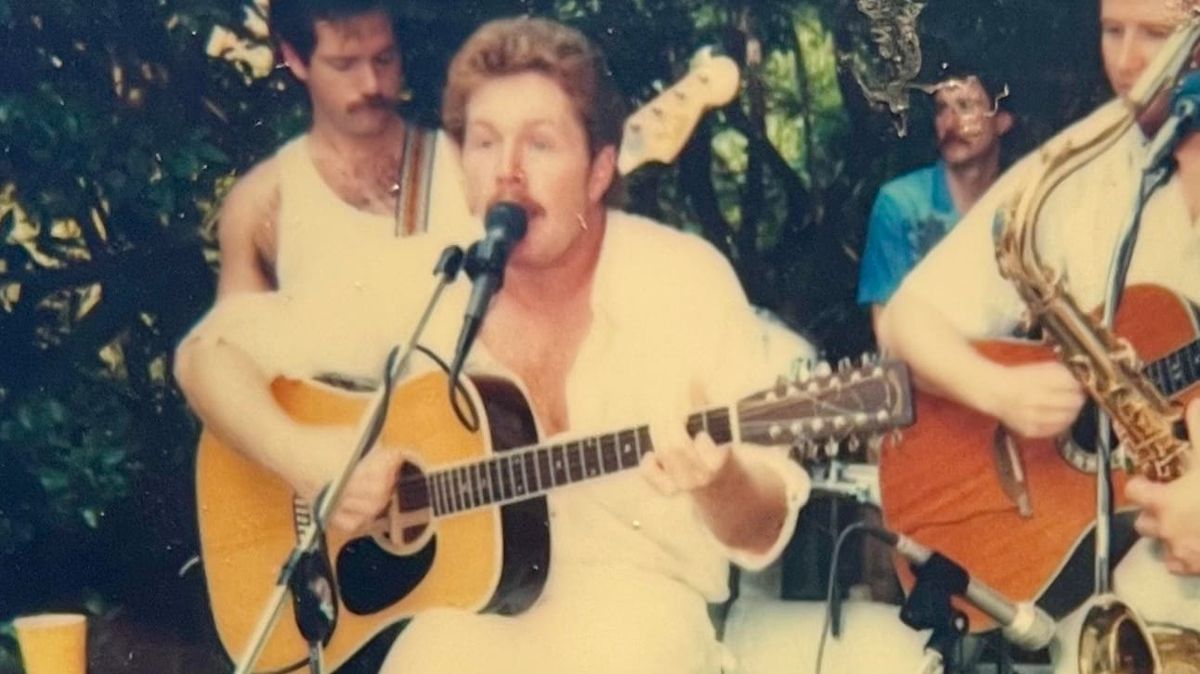
- The fabulous Chalmers Brothers—yes, that's his name—sat on a bar stool, armed with a guitar, a microphone and an amp, working through Jimmy Buffett and the Eagles like he had all night, which he did.
- We didn't treat everything with that same reverence—empty long-necks became ammo for target practice against the natural gas wells in the scrubby field next door, a field that became the LSU golf course and may soon become part of the new arena. Times change; stupidity is forever.
Somewhere in my attic is an orange cassette tape of a Chalmers' deck set. If I ever reconnect the long-abandoned cassette player, I'm fast-forwarding to "A Pirate Looks at Forty."
The 'dilly: Flag-raising and quarter beers stop making sense once kids and real life enter the equation. That's where the cafeteria-style delight of Piccadilly comes in.
- The one that mattered to me sat on Government Street near Catholic High, where for more than a decade a blues legend named Henry Gray held down a grand piano in the middle of the dining room.
- My kids picked whatever they wanted off the line—no fights—while I got something closer to a real dinner: cloth napkins and a soundtrack that added a touch of pre-cotillion class.
- That Piccadilly closed for good on June 29, 2014, after 55 years, and Gray's piano went quiet with it.
The bottom line: Baton Rouge didn't stop loving abundance. Abundance just stopped making financial sense for restaurants. Thankfully, the Chinese Inn on Nicholson remains, a lone sentry of a simpler time.