My day in Melrose Place
It was a morning well spent on 'the other side' of Florida Boulevard.
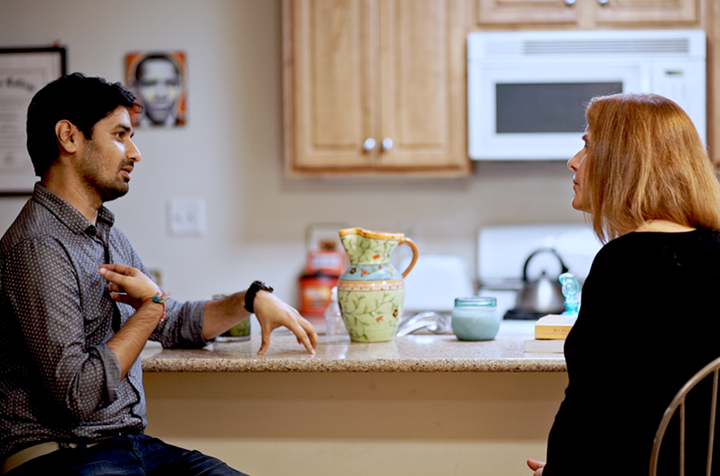
It was a Saturday morning of doughnuts, coffee and meeting people in a neighborhood most of Baton Rouge has forgotten exists.
Melrose Place is an oak-lined oasis in a desert of blight, disinterest and abandoned monuments to Baton Rouge business before white flight and suburban sprawl pulled them to Siegen Lane, Industriplex Boulevard and down Airline Highway toward Gonzales.
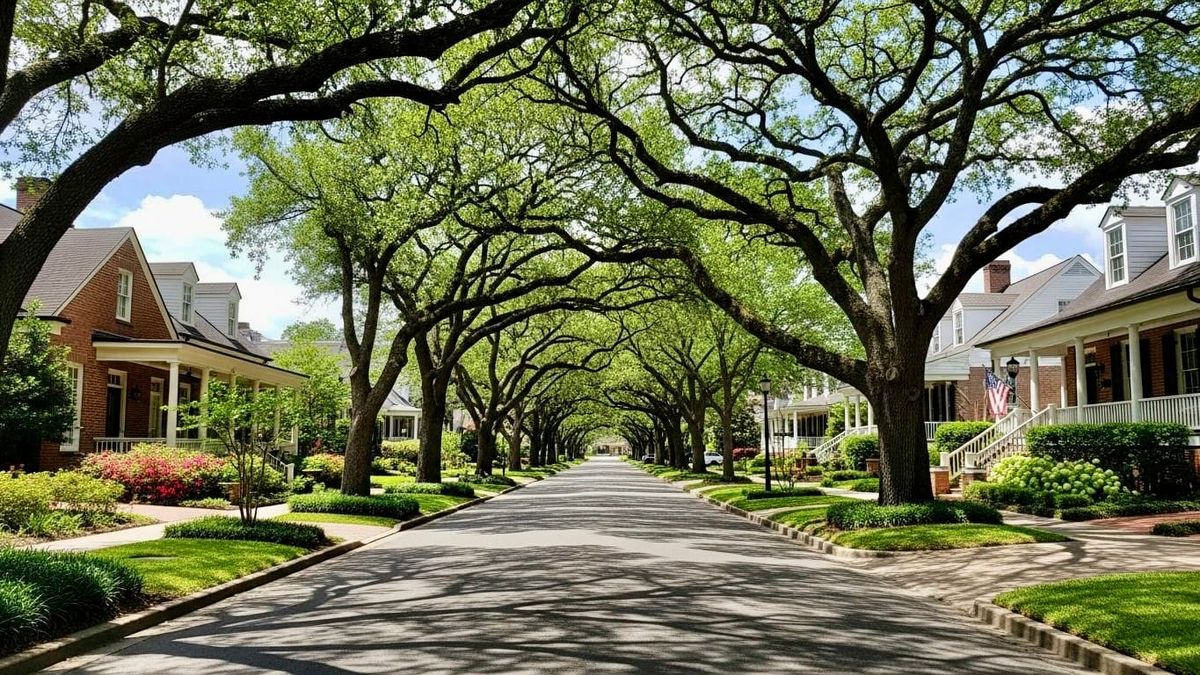
The neighborhood is a mixed-race community that skews Black—and that, in Baton Rouge, comes loaded with assumptions that have very little to do with what's actually happening here. The black and white reality is that it's decidedly middle class. The homes, with a blend of architectural styles, are well-kept and ringed with colorful gardens. The vibe is funky, eclectic and unmistakably lived-in. Exactly the non-cookie-cutter neighborhood young, educated professionals and creatives crave in the early stages of their career path. The type of neighborhood Baton Rouge desperately needs more of. Think of the ‘dales, just in another very different location.
The challenge is its surroundings. Getting there requires running a gauntlet—North Street's stretch of mom-and-pop convenience stores, abandoned commercial buildings and the blight of neglect—before Melrose Place reveals itself. Once inside, the contrast is jarring in the best way.
Just three miles from the chic of Mid City's Government Street, Melrose Place has the geographic misfortune of being on the "other side" of Florida Boulevard. Just barely. But anything north of Florida, barely or otherwise, comes with a Tiger Stadium full of challenges—many real, even more perceived.
Crime is the most cited. It's real, but it isn't the crime that makes headlines—more of the bike-and-lawn-mower-stealing variety. The Melrose Civic Association, founded in 1962, funds its own off-duty police patrols through a dedicated Crime Prevention District. That's not a neighborhood in distress. It's a neighborhood controlling its own destiny.
There's no magic solution. The carrot of incentivizing private investment matters, but so does the stick of disincentivizing development sprawl. The bones are good: a functioning street grid, no chronic flooding, proximity to pretty much everything Baton Rouge has to offer. And most importantly, good and invested residents. Perhaps the rising popularity of Mid City will push its way north, past its Government Street comfort zone. Maybe the MovEBR Florida Corridor project, with its sidewalks and pedestrian upgrades, will help bridge a Mid City connection. We'll see, but that's the hope.
In many ways, Melrose Place lives up to its billing as one of Baton Rouge's best-kept secrets. The people who live there are perfectly happy letting it get out.
—J.R. Ball