Is BR really this mad?
What Baton Rouge says online or at a public meeting may not be what Baton Rouge actually thinks.
The idea was simple: put some tables and landscaping along a stretch of Third Street.
A recent RedEye story detailed plans for a small parklet that would convert curb space where parking isn't legal anyway into outdoor seating near several downtown restaurants.
Then came Nextdoor.
Somehow an idea for a few tables and chairs—and maybe a plant or two—became a referendum on Government Street, BREC, the University Lakes, St. George, taxpayer spending, suburban flight and whether downtown Baton Rouge has any future at all.
That's quite a load for one little parklet to carry.
Why it matters: The Nextdoor exchange illustrates something researchers have been documenting far beyond Baton Rouge: Social media can magnify negativity, elevate a small number of highly motivated voices and make public sentiment appear considerably more unified—and angrier—than it really is.
- A quick note: This isn’t about a parklet or the specific people commenting on it. Nor is it about any particular Baton Rouge project, proposal or group. The point is a much larger phenomenon affecting communities everywhere.
Wired for bad news: Humans pay more attention to negative information—and the internet rewards it.
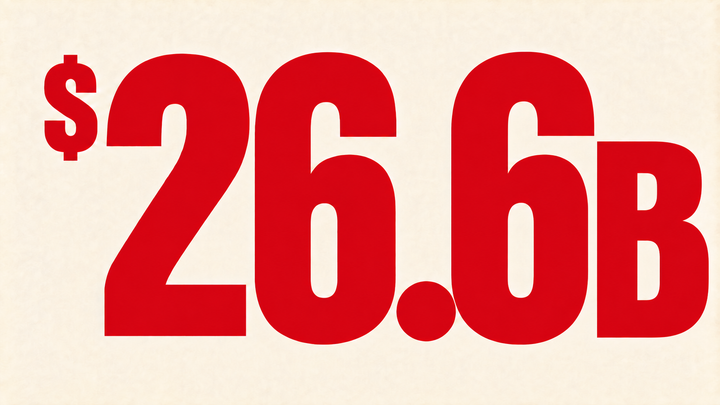
- One Nature Human Behaviour study analyzed more than 370 million online news impressions and found a single negative word increased an average headline’s click-through rate by 2.3%.
- Other research found people overestimate online outrage, making groups appear more hostile than they actually are.
Look who’s talking: A small slice of the population creates much of the civic conversation the rest of us see.
- Pew Research Center found 70% of social media users rarely or never post about political or social issues. Just 9% do so often.
- So 50 angry comments can feel like a community speaking. They’re 50 people motivated enough to type one. Everyone who kept scrolling is invisible.
Not alone: Communities across the country face the same problem.
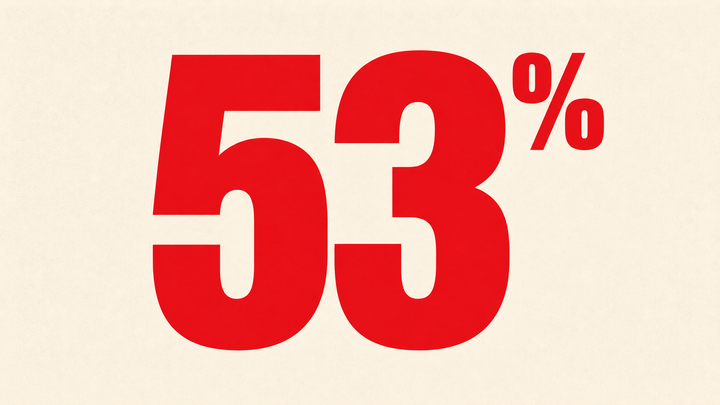
- A 2025 University of Michigan survey found 65% of local governments struggled with the same people participating repeatedly. Among cities, 52% reported problems with a small vocal minority negatively affecting public engagement.
- So if Baton Rouge seems unusually cranky online, take comfort. We apparently have company.
Reality check: Baton Rouge has a better thermometer.
- The Baton Rouge Area Foundation’s annual CityStats survey uses a representative sample of 500 EBR residents, weighted to reflect parish demographics.
- CityStats hardly depicts paradise. Residents identify plenty of real problems and frustrations. But its findings paint a more nuanced picture than an evening scrolling through social media.
Key distinction: Public input and public opinion aren’t necessarily the same thing.
- Open surveys, public meetings and comment periods can collect useful ideas, objections and criticism. But they’re dominated by people who are motivated—or have enough time—to participate.
- The International City/County Management Association warns those “squeaky wheels” may not represent the broader community and recommends seeking residents who aren’t typically civically engaged.
Better approach: Communities aren’t silencing critics. They’re finding better ways to hear everyone else.
- That means engaging residents earlier, using multiple channels and representative research when the question is what the broader community thinks.
- Public engagement also doesn’t guarantee unanimity. Sometimes the people saying “No” have the best argument and stop genuinely bad ideas. But communities can’t keep asking until nobody objects.
Local twist: Baton Rouge may bring something of its own to the equation.
- We’ve long seemed more comfortable starting with “No” than asking “How?” or “Why not?”
- Social media didn’t invent that skepticism. It simply gave it a microphone, an audience and unlimited airtime.
The bottom line: Yes, the loudest voices ought to be heard. So should the quiet ones—those who never post, can’t attend a meeting and don’t answer a public survey. The challenge for Baton Rouge leaders is figuring out how to hear both—and then having the confidence to move forward. This is how trust is built.