
Autopilot in the corner office
Executives are twice as likely as rank-and-file workers to trust a chatbot over their own judgment.
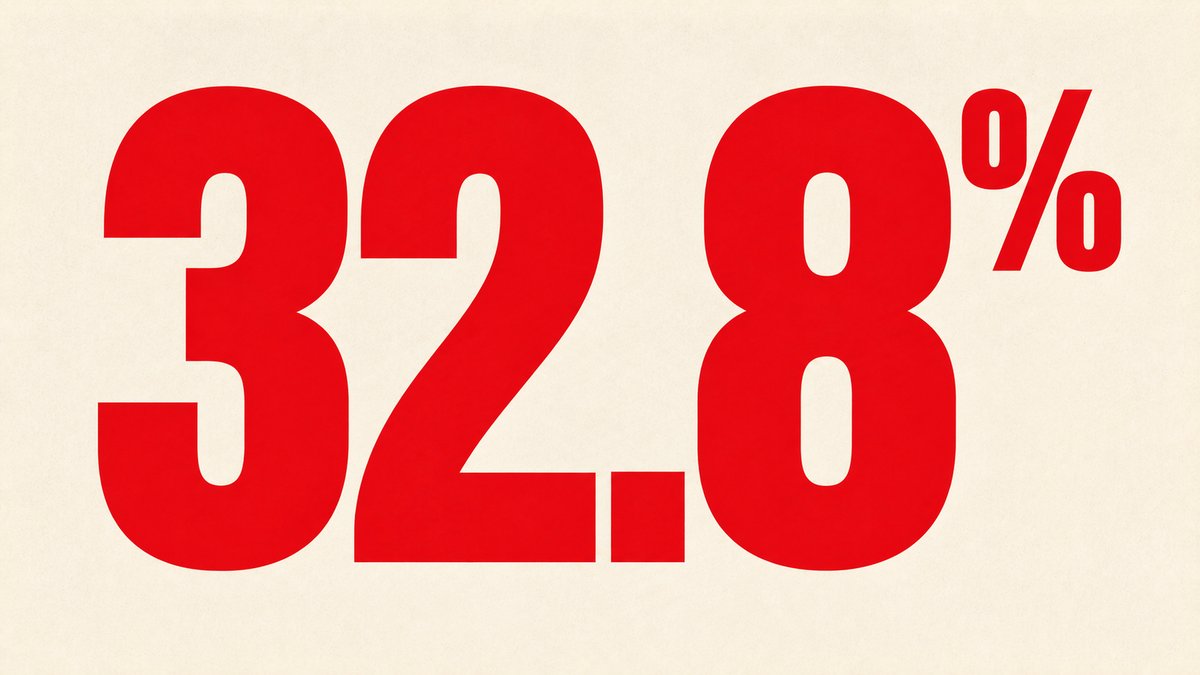
The people paid for their judgment are outsourcing it. A new survey from workplace research firm Charter found that 32.8% of executives trust AI more than their own judgment—double the rank-and-file.
Why it matters: Leaders land the corner office for their experience and instincts. Swap that for a chatbot’s output and the risk is decisions that don’t align with reality, rippling across companies and beyond.
The numbers: The habit runs through management, and managers are the biggest believers.
- Managers: 34.8%
- Executives: 32.8%
- Staff members: 16.3%
Yes, but: The numbers measure self-reported trust, not whether bosses actually follow the bot’s advice on big decisions.
- Charter surveyed 5,002 U.S. office workers who use AI on the job in August—503 executives, 1,547 managers and 2,952 staff members.
The pressure: Charter co-author Brian Elliott says executives are expected to have answers fast, and AI feeds the “seldom wrong, never in doubt” streak some already have.
The flip side: Staff members may have good reason to keep AI at arm’s length.
- In separate interviews with 91 workers, Charter’s researchers found a lasting tension: Workers who get good at AI start to see how much of the job it could do without them.
- Executives, Elliott says, are mostly free from that tension.
The bottom line: A third of the corner office trusts a chatbot over its own gut. The next time a Baton Rouge boardroom unveils a bold plan, ask who wrote the first draft.