
A grant illusion
NYT: Relocation incentives produce mixed results.
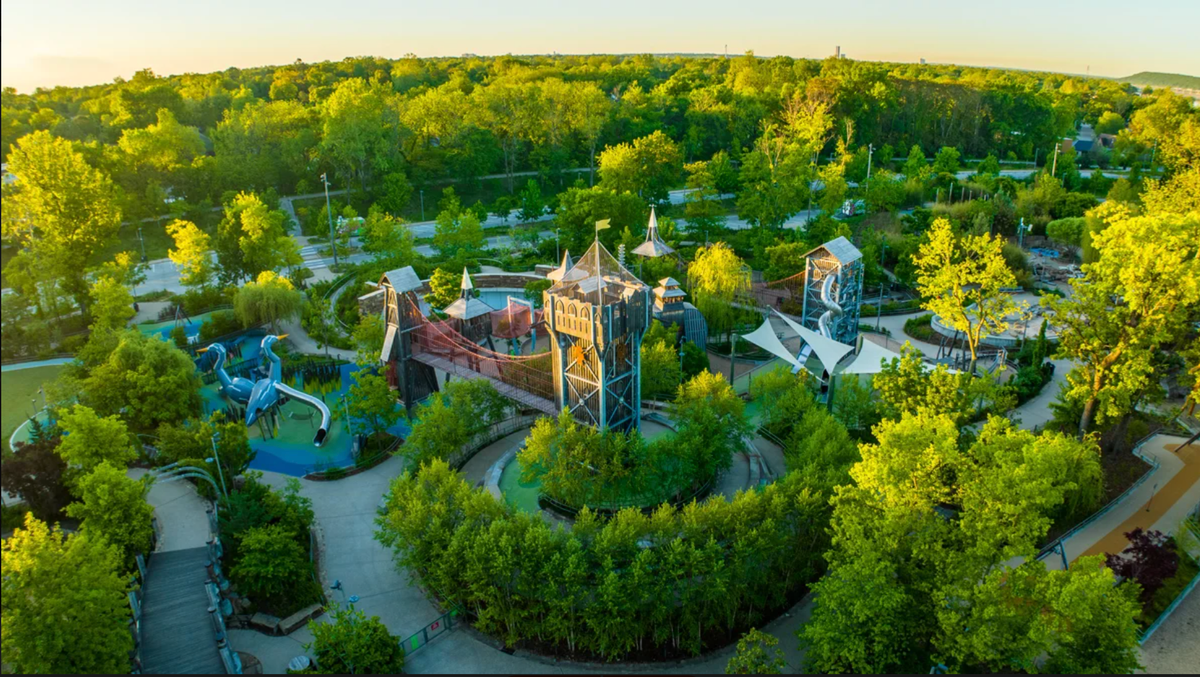
Tulsa had an early-mover advantage, offering cash incentives to entice remote workers to relocate. Its grants worked, drawing several thousand people to live in the Oklahoma city.
But most cities that have tried relocation incentives have failed to draw many people. Those that succeeded often set modest goals, according to a review by The New York Times.
Why it matters: The experiment shows there are no easy wins in economic development. Lasting prosperity still comes from investing in quality-of-life projects, including parks and other public spaces.
The details:
- Tulsa Remote began offering $10,000 grants to recruit remote workers. About 4,000 people have moved to the city.
- MakeMyMove, a company that helps cities administer relocation incentives, says 1,500 people will use its platform to move this year. That’s a tiny share of the 7.5 million people who crossed state lines in 2023, the Times reported.
Another problem: Some people collect incentives for moving to cities where they were already planning to relocate.
The big picture: A community foundation in St. Clair County, Michigan, tried relocation incentives before ending the experiment after five years. Now, the nonprofit is returning to what works there and elsewhere: creating gathering places for the community
“Dump your money into a place that people want to live in—that’s where we’re seeing the needle move,” the foundation's CEO Randy Maiers told the Times.
The bottom line: A rare event, COVID, gave Tulsa an opening, and the city moved quickly to capitalize on it. But Tulsa was also building a place where people wanted to live, investing hundreds of millions in parks and other public spaces.
The enduring lesson is simple: The best way to attract people and build an economy is to make a place better. Yes, great parks do create jobs.