Why those old power poles get under our skin
Baton Rouge notices unfinished things. Broken curbs. Dead plants in medians. Abandoned power poles.
We are not alone in this. People everywhere get irritated by things that look almost done but aren’t. They wonder why the last step never comes.
The idea: There is a name for it: the Zeigarnik effect. It is the tendency to remember unfinished tasks better than finished ones. Completion gives the brain closure. Incompletion lingers, like an open tab you keep meaning to close.
Why it matters: Some of the frustration is about the thing itself. A dead plant in the median looks bad. An old utility pole scars a streetscape. But some of it is deeper. Half-done work sends a message. It suggests that no one is fully in charge, or that the final details never matter enough to get finished.
The local angle: Baton Rouge has a lot of visible loose ends.
- Government Street improved, and our attention shifts to the broken irrigation system in the medians.
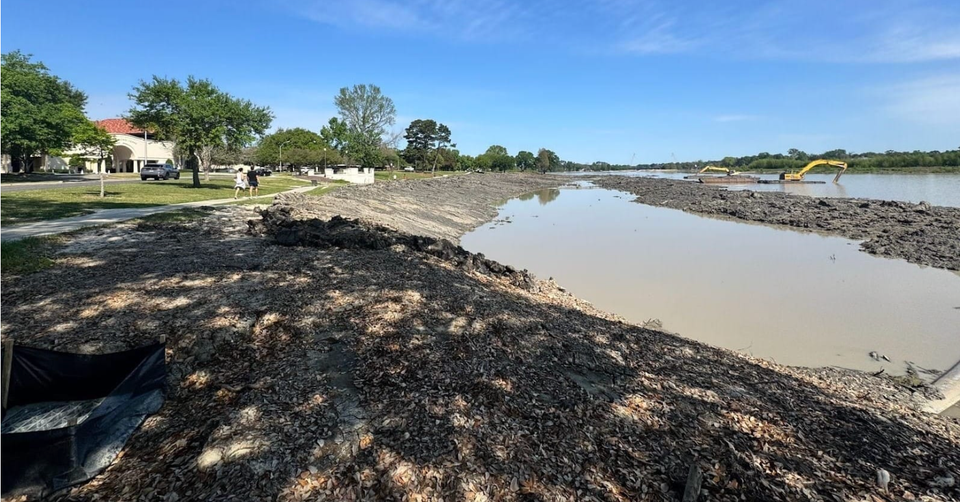
- Pollution in Capitol Lake even after taxpayers spent money on booms that are meant to clean the waterway
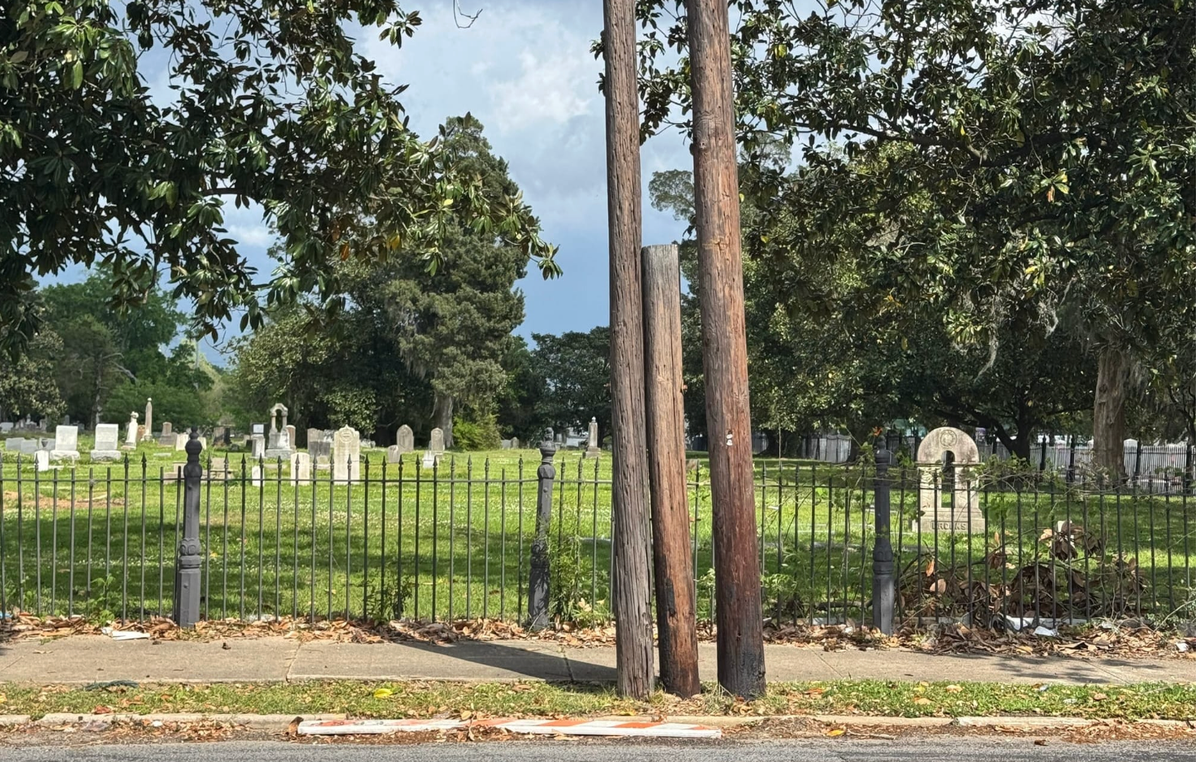
- A power company replaces poles, but the old ones remain for decades as monuments to neglect.
That is how the Zeigarnik effect works in public life. The mind keeps returning to what is unresolved.
The bottom line: People can live with dust, detours and disruption when they believe the work is leading somewhere. What wears them down is the sense that too much in Baton Rouge stays half-done, left behind or waiting on one last crew that never seems to arrive. Visible completion matters because it is how people learn to trust that things are actually getting better.