Where the sidewalk begins
Denver has done something unusual for an American city: It has taken responsibility for its sidewalks.
Denver has done something unusual for an American city: It has taken responsibility for its sidewalks.
The details: For an annual fee of $150 per home or business, the city will build and maintain sidewalks that had long been the responsibility of property owners.
Selling the idea was not hard. As Jill Locantore of the Denver Streets Partnership told Governing, support came easily: ask people whether they want better sidewalks, and the answer is yes.
Voters approved the plan with 55% support. It has since raised more than $75 million, and work is underway to fill 350 miles of sidewalk gaps and repair broken paths.
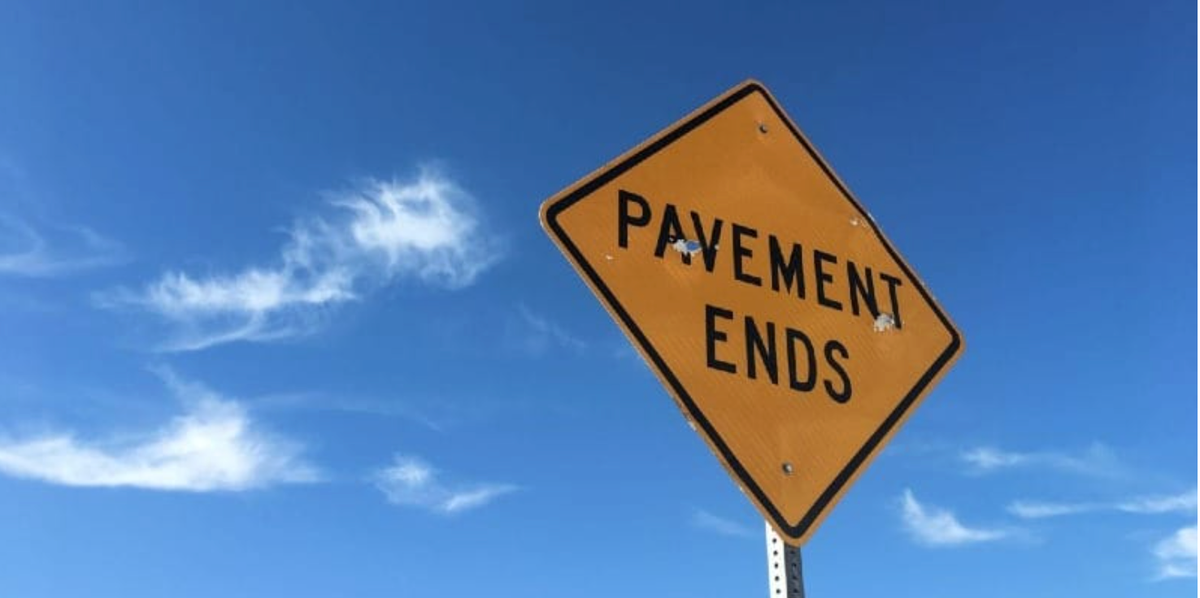
Why Baton Rouge sidewalks stop short: Property owners are still technically responsible for repairs here, though enforcement is rare and sidewalks often deteriorate. Developers also used to skip sidewalks to save money, says Elizabeth “Boo” Thomas, co-founder of the Center for Planning Excellence. Waivers still exist, she says, though they are used less often now.
Current state: The city-parish’s $1.2 billion MovEBR plan sets aside only modest money for sidewalks, though new road projects will include them. The annual budget usually includes some sidewalk funding, too. Still, there are no sidewalks in some Baton Rouge neighborhoods, and many existing ones are in poor shape.
Why it matters: The Federal Highway Administration says sidewalks can reduce the risk of pedestrians being struck by vehicles by nearly 90%. That should get attention in Baton Rouge, which has one of the highest pedestrian death rates in the country.
The upside:
- Health: Where sidewalks exist, people are nearly 50% more active, according to the CDC, helping reduce obesity and chronic disease.
- Economy: Walkable areas can lift home values, boost retail sales and reduce crash-related costs.
- Access: Sidewalks help children, seniors and the one in five households without a car, while also improving ADA access.
- Community: They give neighbors a place to meet and make streets feel like places, not just routes for traffic.
- Savings: More walking can ease congestion and lower healthcare and crash costs.
The bottom line: Baton Rouge is not always as allergic to taxes as people claim. A parish-wide sidewalk tax may be a stretch. But neighborhood-level efforts in places like Mid City, Southdowns or Hundred Oaks might get a real hearing.