What's the deal with tipping?
It began as a way to cheat Black workers out of money after the Civil War. It's everywhere now.
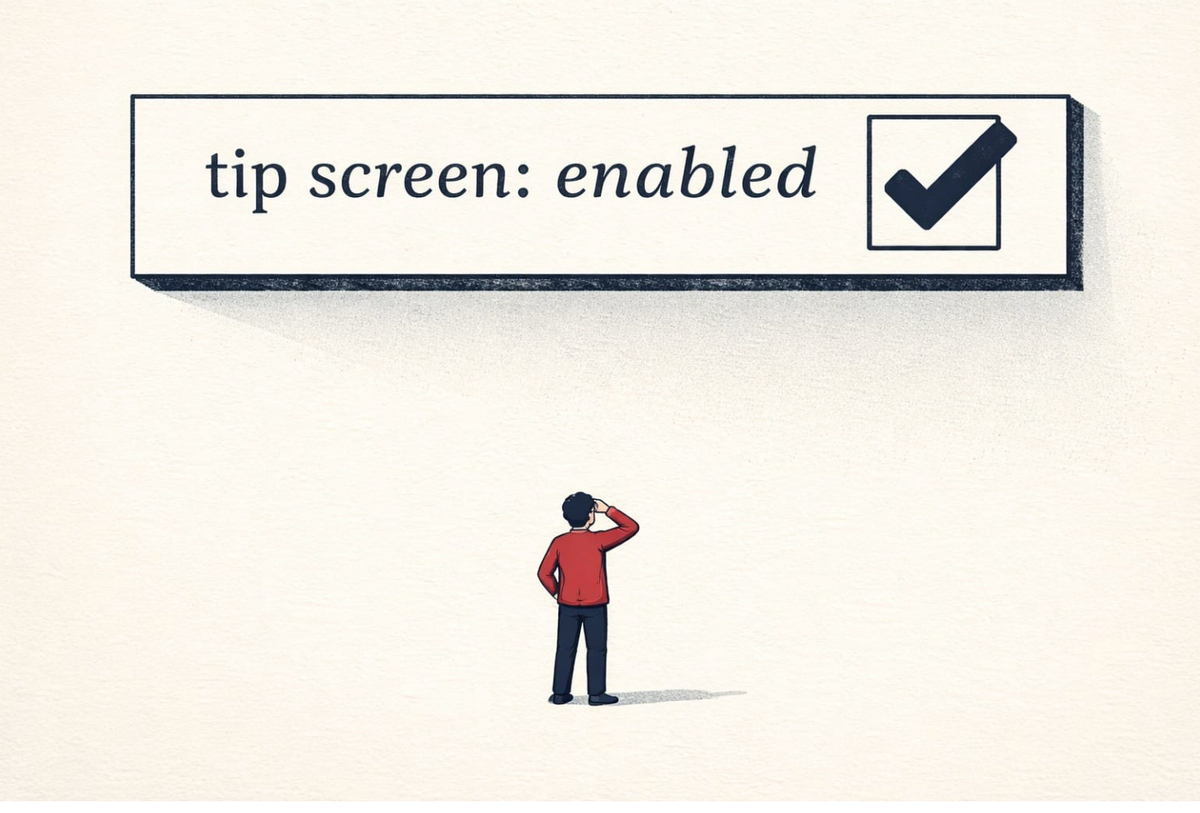
You ordered a drip coffee. You picked it up yourself. And then the screen flipped around.
18%? 20%? 25%?
Or maybe you called ahead for a to-go order. Drove there. Walked in. Picked up a bag sitting on a counter with your name on it. And the screen flipped around again.
You're not imagining it, you're not being cheap and you're definitely not alone. 41% of Americans say tipping culture has gotten out of control.
The tip used to mean something. You sat down, someone took care of you and you left a little extra to say thanks. That was the deal.
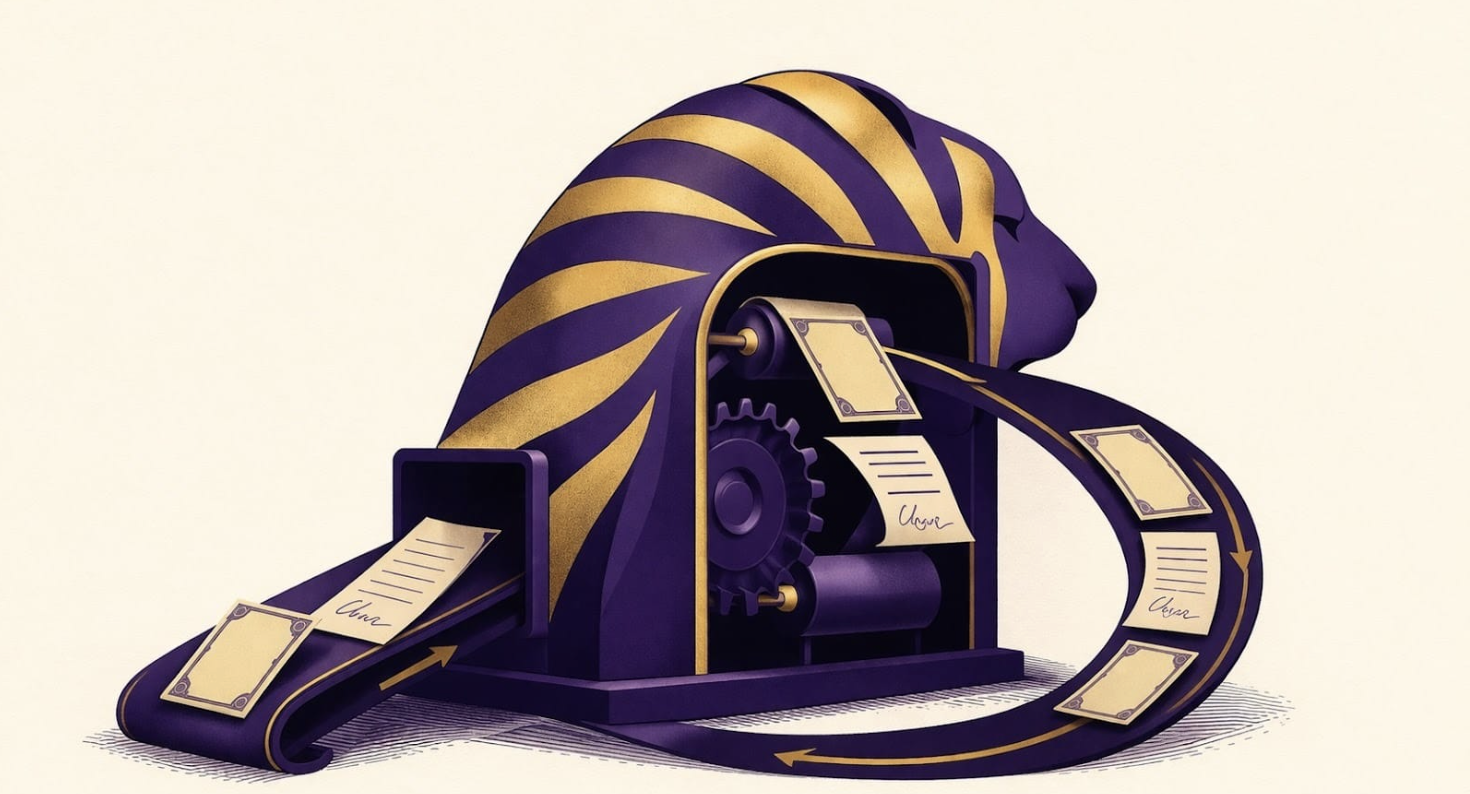
Tip on tips: After the Civil War, employers hired Black workers—particularly in the railroad industry—without paying them wages. The tip was the wage. Congress eventually required a base pay, then froze it at $2.13 an hour in 1991. It hasn't moved since. So every time the screen flips around, you're completing a transaction designed 150 years ago to let employers off the hook. A nice system if you can get it.
Three things turned a quaint restaurant custom into everybody's problem:
- The technology. Digital payment terminals made asking for a tip completely frictionless—zero awkwardness, zero cost, zero risk for the business. The discomfort lands entirely on you.
- COVID. Pandemic-era sympathy normalized tipping in places that never asked before—and when it was over, they never stopped asking.
- Contagion. 46% of consumers now tip at coffee shops, 32% at food trucks, and 27% at fast-food outlets. Once one category normalizes it, the next one follows.
And the tip prompt itself? When any business signs up for Square, Toast or Clover, a tip screen comes baked into the checkout flow. Most owners never actively turned it on. They just never turned it off.
Meanwhile, prices keep climbing, 15% is apparently no longer acceptable, and the ask keeps expanding into every corner of retail and service life. What was once a nudge is now just part of the bill.
The Bottom Line: Nobody voted for this. A software company left a box checked—and now the airport self-checkout kiosk wants 20%.