
To boldly find
LSU researchers are part of team that is searching for planets, detecting them by microlensing.
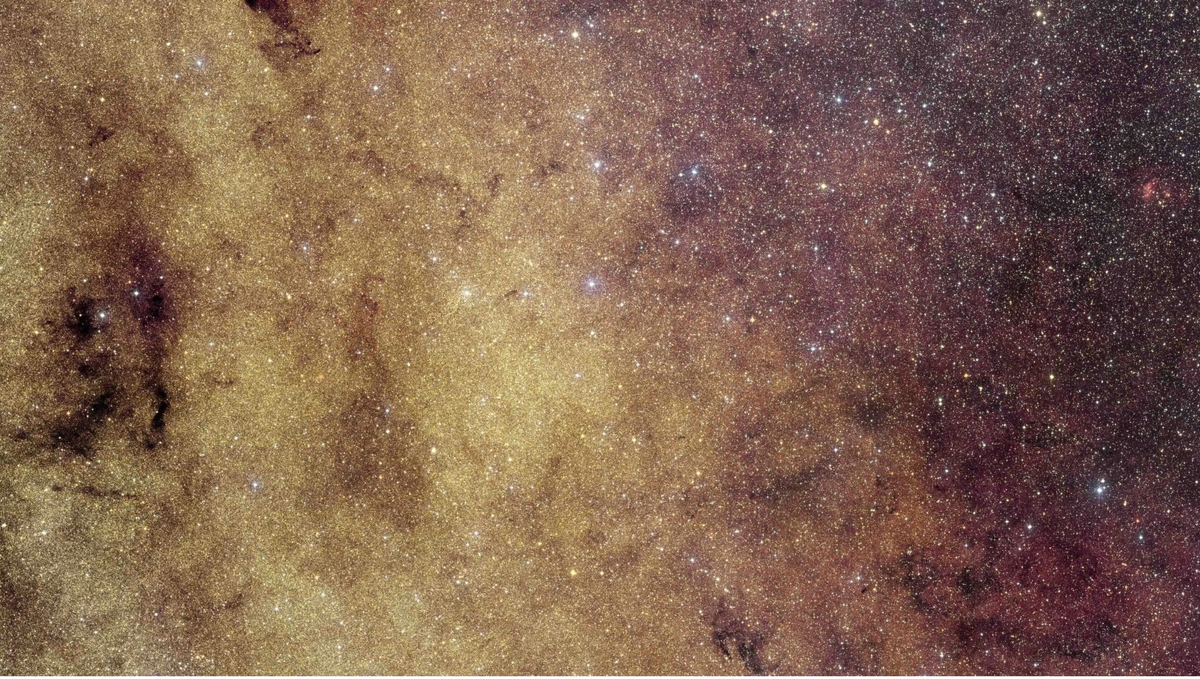
Two LSU physicists are part of the team working on one of astronomy’s most ambitious planet hunts yet.
Assistant professor Matthew Penny and postdoctoral researcher Himanshu Verma helped with work behind newly released images from the European Space Agency’s Euclid space telescope, which captured the largest and most detailed visible-light image ever made of the crowded center of the Milky Way.
The image will enable comparisons in the hunt's next step, when NASA’s Nancy Grace Roman Space Telescope is expected to begin studying the same star-packed region using a technique called microlensing. That method finds planets by watching how the gravity of a closer star bends and brightens the light from a more distant star. If the closer star has a planet, the planet can leave an extra blip in the light.
The goal is something astronomers have not pulled off before.
“This will allow us for the first time to get a good picture of how many planets of a given mass there are per planetary system, down to the size of the Earth,” Penny said.