The Baton Rouge da Vinci code
Sleuths bought a painting from a Baton Rouge estate for $10,000; it sold for $450 million later.
One of the world’s great art mysteries unfolded on Highland Road.
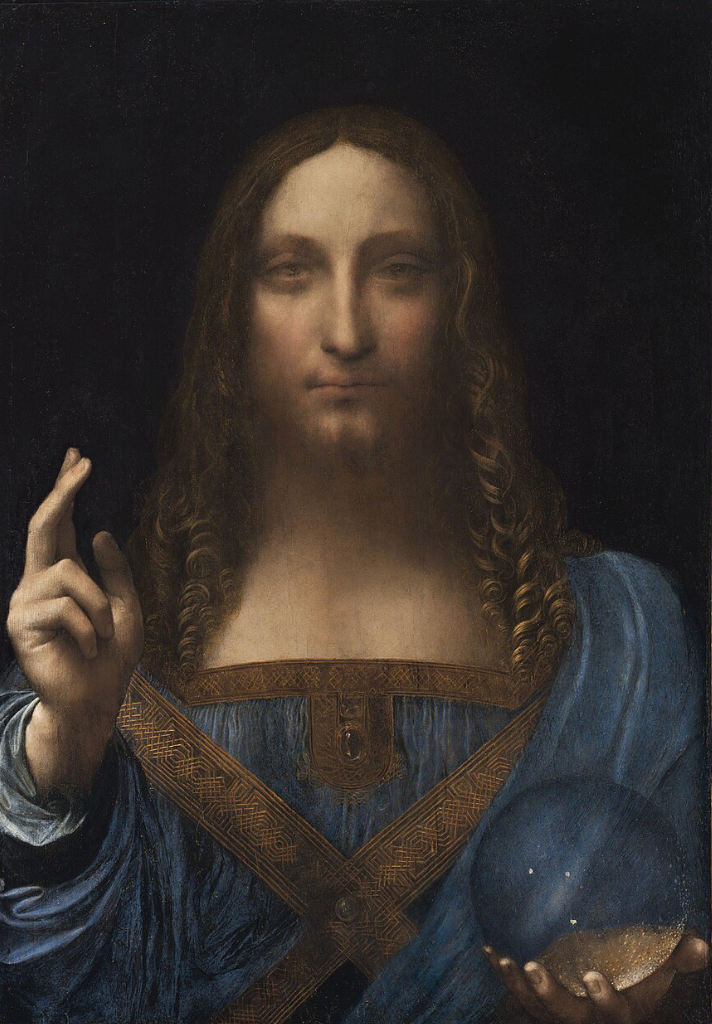
Inside a plantation-style home, a painting hung in a stairwell for nearly two decades. Family members passed it every day without knowing they were walking by one of the rarest paintings on Earth: Leonardo da Vinci’s Salvator Mundi.
The portrait shows Jesus Christ as savior of the world, one hand raised in blessing, the other holding a crystal orb.
The painting came to Baton Rouge in 1987, when Basil Clovis Hendry Sr. inherited it from his aunt, Minnie Stanfill Kuntz. Minnie and her husband, New Orleans furniture dealers who often traveled to Europe, had bought the work in 1958 for about $100 from the estate of Sir Francis Cook.
Hendry, who owned a sheet-metal business, kept the painting in his Highland Road home until his death in 2004.
Then the plot turned.
After Hendry died, art dealers bought the painting from his estate for less than $10,000. They suspected, quietly, that it might be more than an old religious portrait. After restoration and authentication, the painting was attributed to Leonardo da Vinci and sold for $80 million.
In 2017, Saudi Crown Prince Mohammed bin Salman bought it for $450 million, the highest price ever paid for a work of art.
Since then, the painting has disappeared again, at least from public view. Reports have it in storage in Saudi Arabia or Switzerland, possibly awaiting the opening of a museum in Riyadh, where it could become both a cultural trophy and a tourist draw.
For the Baton Rouge family, the story remained almost impossible to absorb.
“We can’t believe it, that such an incredible piece could have been in our family and we didn’t even know it all this time,” Susan Hendry Tureau, Kuntz’s daughter, told the Wall Street Journal in 2017. “It just sort of brings me alive.”