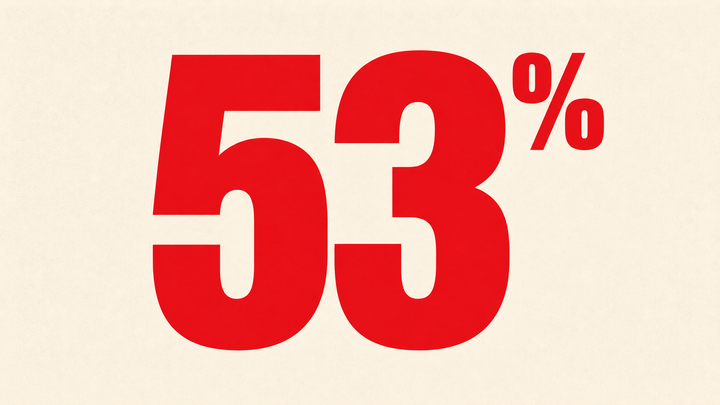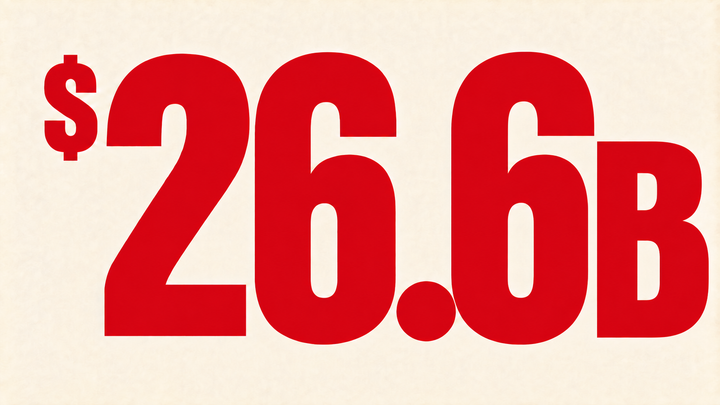
Stop paving the problem
Permeable parking lots won’t solve flooding on their own, but they can stop it from getting worse.
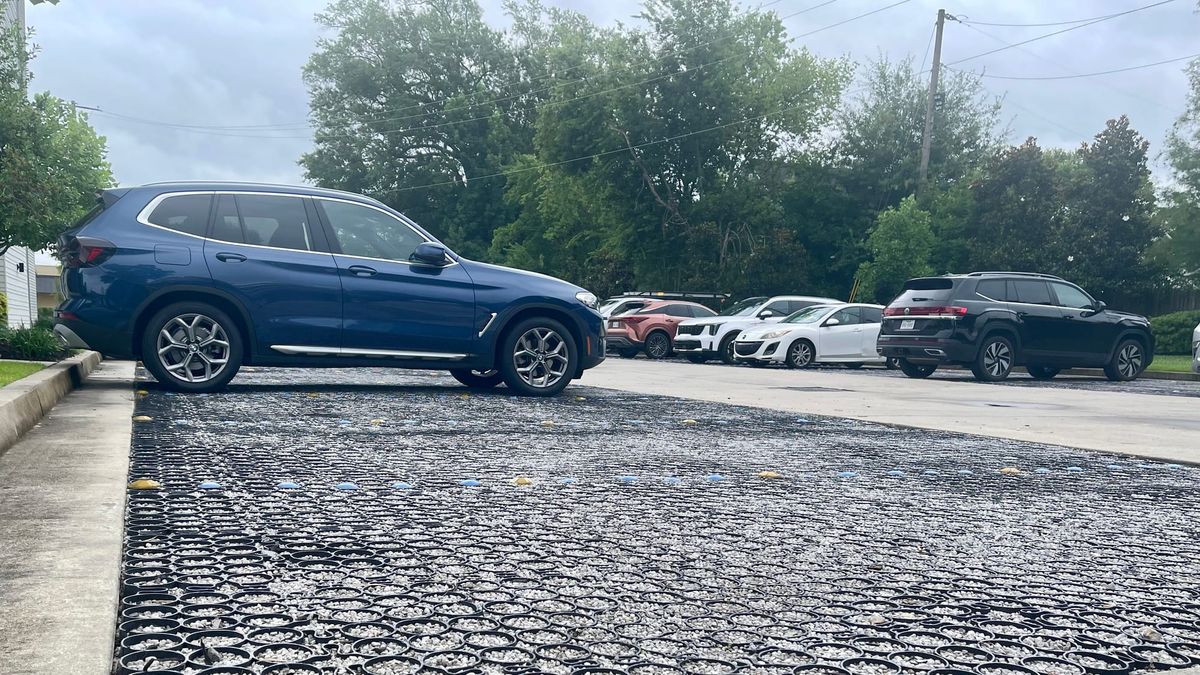
East Baton Rouge Parish has a stormwater problem it can document down to the dollar. What it hasn't done is use the tools already on the books to stop making it worse—one parking lot at a time.
Why it matters: Every acre of asphalt in the parish sheds water it once absorbed. Downtown surface lots and sprawling commercial parking along corridors like Burbank Drive don't just hold cars—they accelerate runoff into a drainage system the parish's own Stormwater Master Plan says needs more than $1 billion to fix.
The technology exists: Permeable pavement systems replace solid asphalt with engineered surfaces that let rainwater infiltrate the ground rather than sheet across it into streets and ditches.
- Interlocking concrete grids, porous concrete and permeable pavers are purpose-built to handle vehicle weight—these aren't grass lots.
- Voids in the surface drain into a deep crushed-stone reservoir beneath the pavement, which holds water during heavy downpours and releases it slowly.
- The EPA has tested and documented all three systems. BREC already deploys green infrastructure across its park system to capture stormwater on-site.
Burbank reality: The parish's own Capital Improvement Plan identifies more than $61 million in Burbank Drive-area drainage projects as Tier 1 priorities—and the money doesn't exist to fund them.
- New commercial and residential development along that corridor continues to add impervious surface.
- Developers routinely elevate sites with fill dirt to avoid floodplain restrictions, pushing diverted water onto nearby older, lower-lying neighborhoods.
- The parish has formally acknowledged the problem. It has not moved to stop compounding it.
Regulations exist, ignored: East Baton Rouge Parish's Unified Development Code already limits excess parking to 125% of minimum requirements—unless developers use pervious paving or vegetative stormwater capture.
- That provision exists specifically to limit impervious surface and runoff.
- Stronger enforcement requires no new law—only the political will to apply what's already on the books.
- Extending that standard to new commercial development along flood-prone corridors is an immediate option.
Money matters: Permeable systems cost more than standard asphalt or concrete, but evidence suggests the long-term savings offset the higher upfront cost.
- Developers will pass those costs to tenants, retail customers and downtown parkers.
- The people generating the parking demand should fund the infrastructure it requires—not the homeowner in an older neighborhood, left holding the bag.
The bottom line: East Baton Rouge Parish needs a funded comprehensive stormwater plan. Until then, a meaningful first step is to require better-draining parking lots.