
Sid Edwards' first year: good intentions, wrong team
Baton Rouge’s mayor-president is struggling. Here’s how he can salvage the next three years.
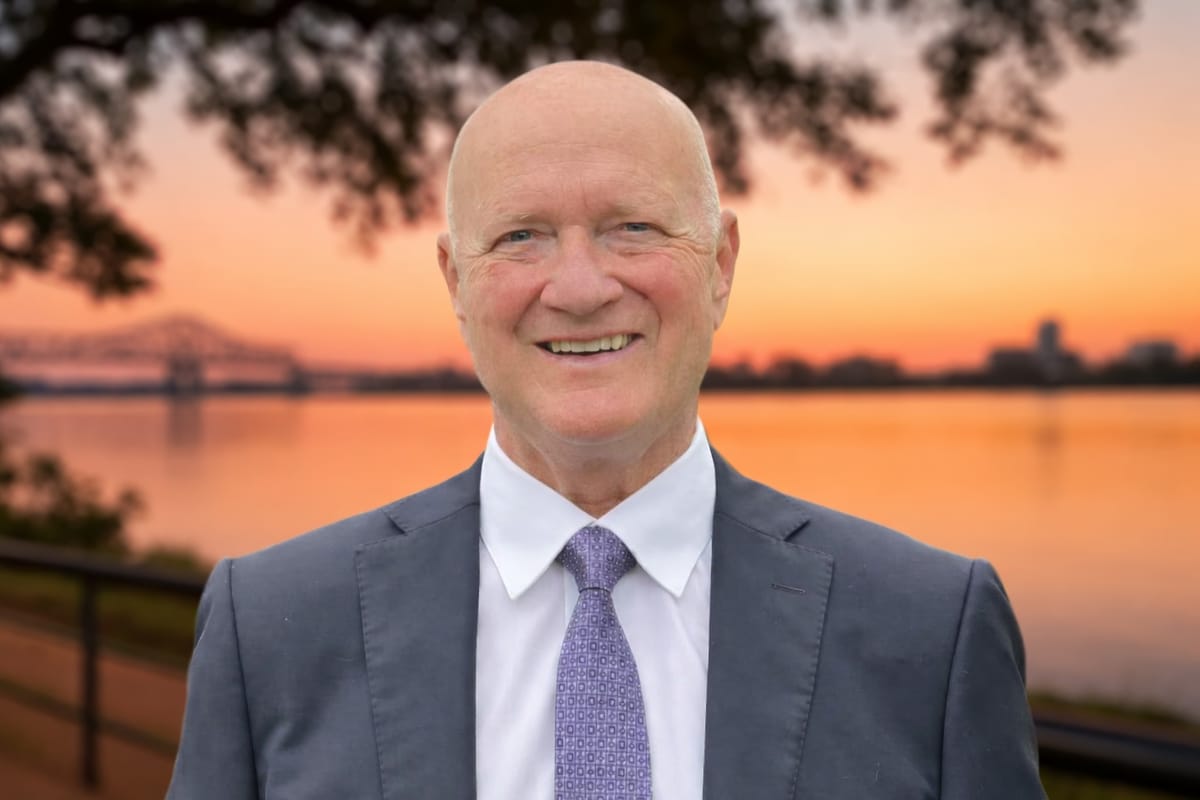
Baton Rouge's mayor-president is earnest, issue-aware and seemingly genuine. He's also struggling—and the reasons why matter for the rest of his term and the future of the parish.
The big picture: Edwards' first year was clearly marked by a public defeat that didn't have to happen. After St. George's exit blew a hole in the city-parish budget, his team went after funding for the EBR Library, Council on Aging, and Mosquito Abatement and Rodent Control to fill the gap. Voters said no.
The library isn’t just another agency line item. Polling routinely shows it’s the parish’s most trusted institution, with funding that’s been politically armored ever since former Mayor Pat Screen raided it and got burned. That episode is civic folklore in Baton Rouge.
Edwards’ team walked straight into that history anyway.
And when Thrive started wobbling, the administration leaned on Metro Council members—vote with us or pay for it—a tactic borrowed from the national playbook of intimidation politics. What they got instead was predictable: blowback, a public loss, and a council that’s now far less interested in helping the mayor govern.
Clear problem: Edwards is surrounded by people who understand campaigns, not governing, insiders tell RedEye. Says one source: "Too many chefs up top working from their own recipes—and undermining each other."
Wonders Lori Melancon, president and CEO of Greater Baton Rouge Economic Partnership (née BRAC). “One of my big questions is who he’s taking advice from—who he’s listening to?”
In-game adjustments: Soon after Thrive failed, the mayor—a former high school football coach—started benching people. Some top coordinators were sacked. His communications shop got reshuffled. The problem is that the moves have felt less like a disciplined adjustment and more like a scramble, and it’s not clear they add up to a governing strategy.
There have been bright spots. Lon Vicknair, the chief of staff, has been a clear win. He’s responsive, he follows through, and things move when he’s on them, say people who work with him. William Daniel, a longtime city-parish hand, has kept the infrastructure department steady—the kind of adult-in-the-room role you notice when you’ve gone without it.
Then there’s Christel Slaughter, hired as the No. 2. She’s smart and knowledgeable, and she’s spent plenty of time around public organizations as a consultant. But she hasn’t actually run a government organization, which matters when the job is more about execution than ideas.
But: Edwards is beginning the second quarter of a four-year term. Sure, there have been fumbles, but his administration can rally by swapping political operators for coordinators who understand the basics of government blocking and tackling. What Edwards needs to do next, veterans tell RedEye—is: