
Rewriting the obesity playbook
Pennington Biomedical didn't just study the new childhood obesity framework. Three of its faculty helped write it.
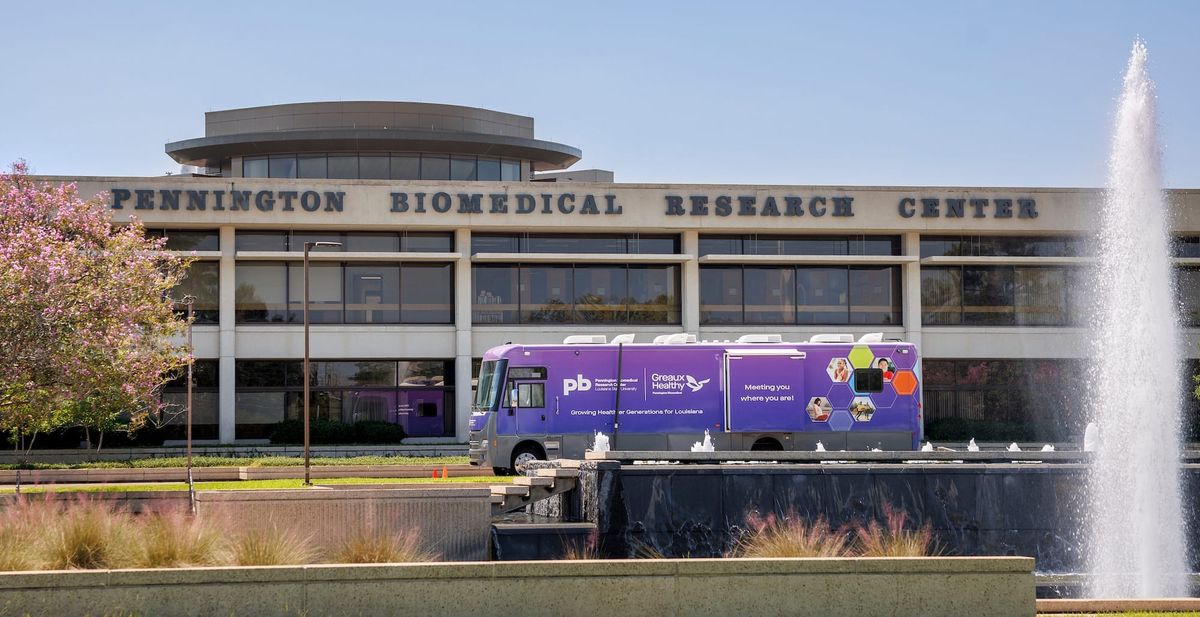
Louisiana has some of the worst childhood obesity numbers in the country. A Baton Rouge research center just helped change how the world defines the illness—and the new approach finds sick kids that the old one missed.
Why it matters: More than 1 in 5 Louisiana children are obese—a rate among the highest in the nation. The researchers working to change that are in Baton Rouge.
What BMI missed: For decades, BMI alone determined whether a child was classified as obese.
- The new Lancet Commission framework—developed by 56 researchers worldwide—splits that into two categories. Preclinical obesity means excess body fat is present, but no measurable health damage has occurred yet. Clinical obesity means damage is already happening.
- The distinction matters because it identifies the intervention window before the engine light comes on.
The Baton Rouge connection: Pennington Biomedical didn't just apply the framework—three of its faculty helped write it. Drs. John Kirwan, Eric Ravussin and Philip Schauer all served on the Lancet Commission.
- Pennington researchers were then the first to apply it to U.S. children using nationally representative data from 2017–2023.
- The study was named Editor's Choice by the journal Obesity.
The bottom line: Researchers say the next step is to determine how this framework is integrated into pediatric clinical settings—and with more than 1 in 5 Louisiana kids already affected, that work can't come soon enough.