
Residents built this city
How Oklahoma City bet on its people—and what Baton Rouge might learn from it.
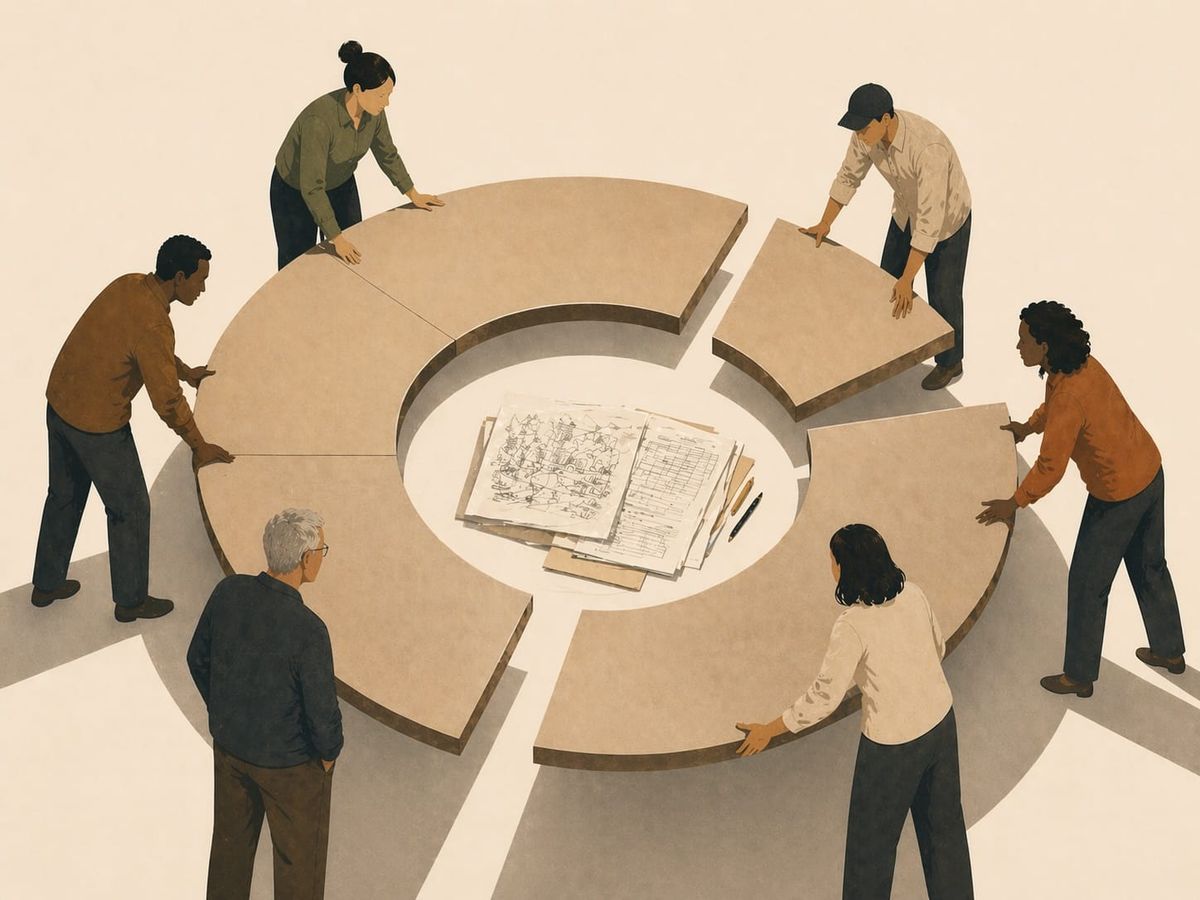
In 1993, Oklahoma City made a decision. Not a political one—a civic one. Residents identified what their city needed, organized around it, put subject experts in charge of executing it and funded it themselves. They called it MAPS—Metropolitan Area Projects.
Why it matters: The results are difficult to argue with. Since 1993, Oklahoma City has added roughly 236,000 residents and climbed into the top 20 largest cities in the country. Baton Rouge, starting from a comparable position, added roughly 8,000.
The difference wasn't geography or oil money. It was a decision to build things, and a structure designed to keep citizens and experts—not elected officials or political insiders—in charge of building them.
The model: MAPS is funded by a temporary, voter-approved one-penny sales tax—time-limited and pay-as-you-go. But the funding mechanism isn't what made it work. It was who ran it.
- Citizen advisory boards control the program—engineers, planners, finance professionals and neighborhood residents with specific expertise and no political debts to repay.
- Projects were approved before the tax was levied. Voters knew exactly what they were funding.
- The program operated debt-free. Projects broke ground when cash was on hand, not when bonds were issued.
MAPS didn't automatically renew. Each subsequent phase—MAPS for Kids in 2001, MAPS 3 in 2009, MAPS 4 in 2020—was its own voter-approved program with its own project list and its own sunset. The model didn't renew. It repeated. Voters said yes or no each time on the merits of a specific package. No automatic extensions. No insider maneuvering to keep the tap open.
The evolution: Early MAPS phases concentrated on downtown—an arena, a ballpark, a canal. The investments worked. By the fourth iteration, the program had expanded beyond downtown to reach every corner of the city—the equivalent of a parishwide commitment here.
- Neighborhood parks across every part of the city
- Youth and senior wellness centers
- Mental health facilities
- Transit improvements connecting neighborhoods to jobs
Shifting tide: Citizen advisory boards heard from people who weren't downtown stakeholders. When residents across every neighborhood had genuine authority, the program followed them—not the preferences of established power centers.
The Big Picture: The innovations are a citizen-driven structure and a governance model designed to keep political insiders out. Not another tax. Not a downtown-first agenda. A structure that directs resources toward the people who need them most.
The Bottom Line: Oklahoma City understood something about itself in 1993 that it took a generation to prove: cities don't transform because of money. They transform because of decisions. The money follows. East Baton Rouge Parish is sitting with that question. Whether it tackles it is something else entirely.