
Old tech, real problem
Your old electronics have nowhere to go. Here's the closest thing Baton Rouge has to a solution.
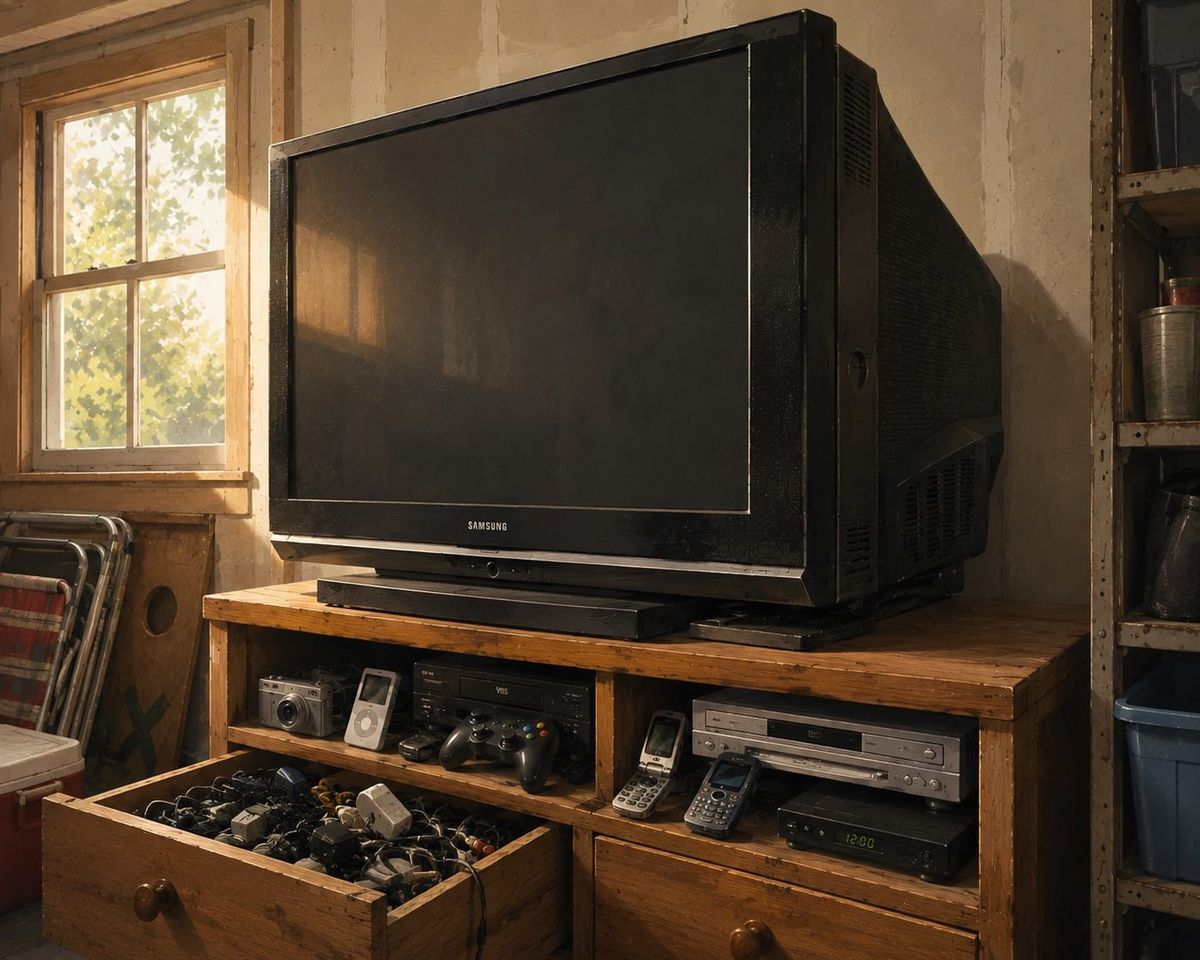
Your old laptop is sitting in a closet. Your busted TV is in the garage. Your drawer of dead phones isn't getting smaller. We all have this stuff. So what do we do with it—toss it in the garbage can or, if too big, haul it to the nearest dumpster? Are the more environmentally conscious among us trekking it to Best Buy or the Apple store?
The answer in Louisiana is more complicated than it should be.
Why it matters: Louisiana is one of 25 states with no e-waste law on the books. There is no landfill ban, no manufacturer take-back mandate, no state recycling program. Tossing a laptop in the garbage is perfectly legal. The burden of doing the right thing is up to you.
Reality bites: For those thinking government should step in...
- Louisiana does charge a $2-per-tire fee at the point of sale to fund tire recycling. Drive around any vacant lot in Baton Rouge and you'll see how well that's working. The blight of discarded black rubber is a visual disaster.
Where Baton Rouge stands: The city-parish has no municipal e-waste collection program either. That leaves a handful of private and nonprofit options to fill the gap.
What to do: The Capital Area Corporate Recycling Council, in Mid City, is the primary resource. Louisiana's only R2-certified e-waste recycler, CACRC accepts computers, laptops, tablets, cell phones, gaming consoles, networking equipment, printers and LCD monitors—but not televisions, CRT monitors, copiers or appliances. Some items carry a small fee.
- In 2025, CACRC expanded its footprint by partnering with the East Baton Rouge Parish Library system. All library branches now serve as official CACRC drop-off points for small devices—laptops, tablets, phones, chargers and accessories—during regular operating hours. No appointments required.
- Best Buy locations across the metro accept most consumer electronics for recycling at no charge, with some exceptions for older CRT-based items.
The television problem: Old TVs and CRT monitors are the hardest items to dispose of responsibly. No local nonprofit accepts them. Best Buy charges a fee for CRT recycling. The practical reality for many residents is that these items end up at the curb or in a dumpster.
The bottom line: Disposing of old electronics responsibly falls on a willingness to do the right thing. CACRC, its library partnership, and willing retailers are doing real work—but the infrastructure only reaches the people who already know to look for it.