
Hot summer nights
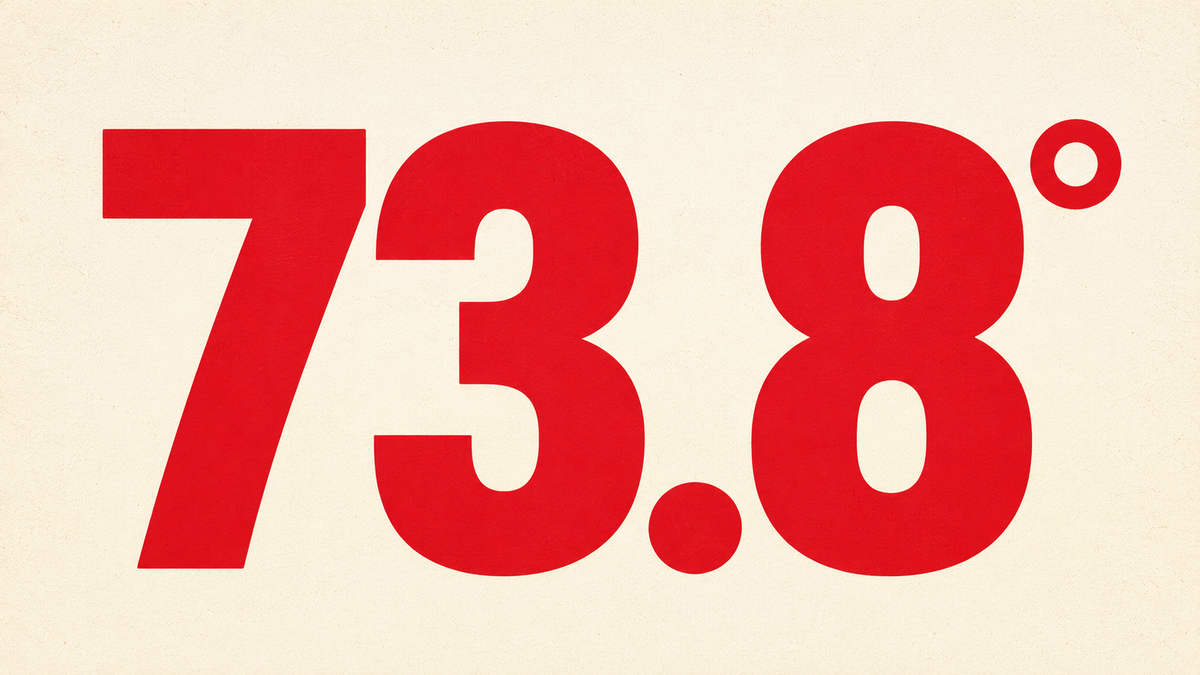
One might think a 73.8-degree night sounds rather balmy after a Baton Rouge afternoon of triple-digit temperatures and humidity thick enough to chew. But you would be wrong.
Why it matters: The average July nighttime low looks deceptively pleasant. But the hot reality is that overnight heat—not the afternoon high—is what keeps the body from ever fully recovering from the day's punishment. That's especially worrisome for older residents, those who spend most of the day outside or anyone without reliable air conditioning.
Safety matters: Louisiana's health department has flagged nighttime lows above 75 degrees as a marker for elevated heat-stress ER visits and hospitalizations—territory a typical Baton Rouge summer night finds itself uncomfortably residing.
Details matter: While the 30-year average low for July is 73.8 degrees, according to NOAA, the alarming part is that since 2020, the average low has been 75.6 degrees. Not a heat wave, just another Louisiana Saturday night.
- The number of nights that never dipped below 75 degrees has steadily climbed since 2000, with the 2015-2020 stretch averaging more than double the long-term norm.
- It has only gone up since then, with 114 instances between 2020 and 2025 when the Baton Rouge daily low temperature in July exceeded 75, according to NOAA's National Centers for Environmental Information.
- A bright spot: The average July low last year dipped to 74.8 degrees, a tick below the safety zone.
Just chill: Your AC doesn't get a break either. The typical July Entergy bill for a Baton Rouge residence ranges from $300 to $360, according to Utilityrates.com, with cooling costs alone accounting for more than half of it. Hotter nights mean your AC unit doesn't get much time to rest, resulting in greater strain and higher odds of a breakdown.
The bottom line: Baton Rouge doesn't need a hotter afternoon to have a more dangerous summer—or a pricier one. It just needs nights that keep refusing to let go.