Homeownership in BR is now a luxury
The typical Baton Rouge household can't afford the typical Baton Rouge home
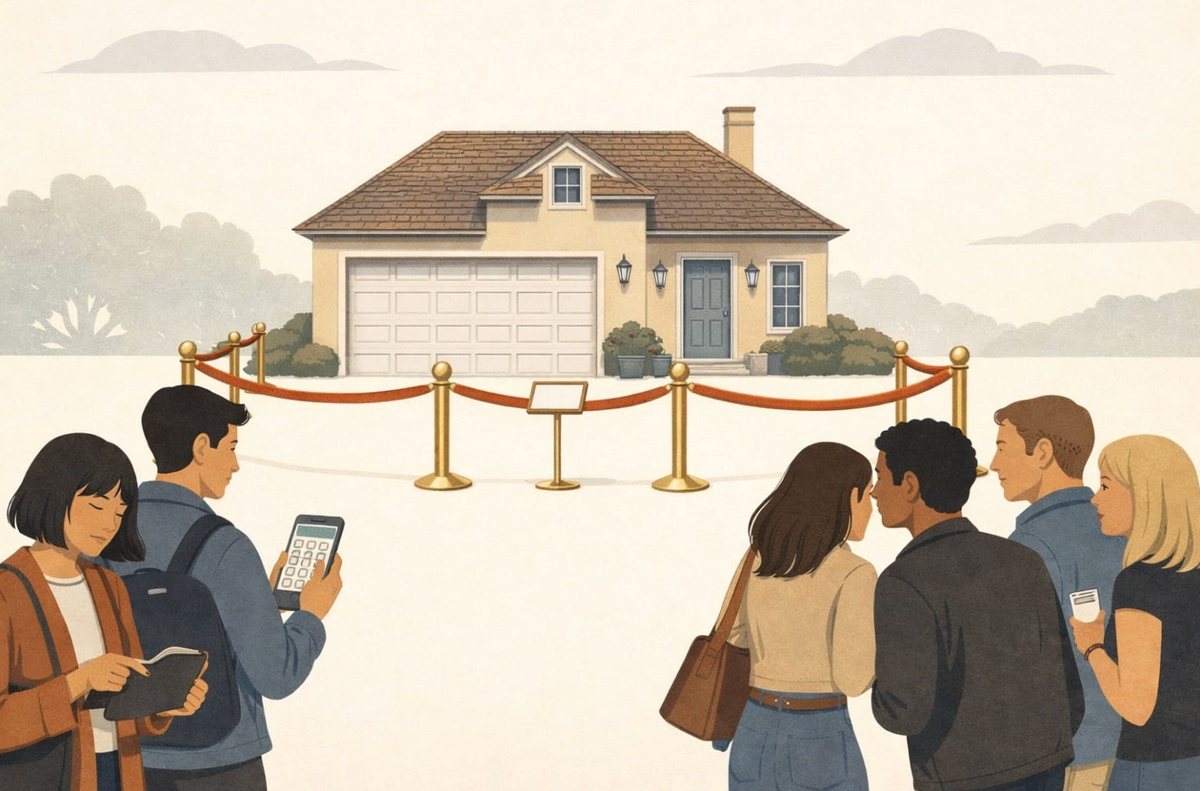
The typical Baton Rouge household can't afford the typical Baton Rouge home—and for a generation trying to build wealth, that's not just a housing problem.
Why it matters: Homeownership is the primary way American families build generational wealth. In a city already divided by income, geography and race, losing access to it doesn't hit everyone equally—and the data suggests it's slipping further out of reach with each passing year.
The research:
- A new Bankrate analysis finds that nationally, households earning the U.S. median income of ~$80,000 are priced out of 75% of homes on the market—a historic affordability crisis driven by post-pandemic price surges, elevated mortgage rates and a decade of underbuilding.
- Bankrate's model defines affordability as annual housing costs—mortgage, taxes and insurance—not exceeding 30% of gross income, assuming a 20% down payment and a 6.80% 30-year mortgage rate.
Interpreting the data:
- Baton Rouge wasn't included in Bankrate's 34-metro dataset, so the following figures apply its methodology to local income and home price data—but the direction is unambiguous.
- The median home sale price in the Greater Baton Rouge market hit $278,500 in February 2026, up 7.2% from a year ago, and sellers are receiving 98% of asking price, signaling a market that isn't softening.
- City of Baton Rouge residents face a $26,000 annual income gap to afford the median home; EBR Parish households face a $13,000 gap—and neither number is moving in the right direction.
The other shoe: Louisiana's insurance crisis compounds the problem. The state's average annual premium is $4,033—44% above the national average—and has risen 38% since 2023, pushing the true monthly cost of ownership well above what the mortgage payment alone suggests. More telling: 21% of Louisiana homeowners carry no insurance at all, compared to 13.6% nationally.
What it means for Baton Rouge:
- Homeownership is how most middle-class families accumulate wealth over time. A generation priced out of the market in their 20s and 30s doesn't just rent longer—they arrive at retirement with less, pass less on and widen the wealth gap that already defines this city.
- The city/parish split isn't just a statistical footnote—it maps directly onto Baton Rouge's long-running fault lines of race, income and political fragmentation. The residents least able to afford a home are concentrated inside city limits, where median incomes are roughly $13,000 lower than the parish as a whole.
- For a region already struggling to attract and retain young professionals, researchers and creatives, the math on homeownership is another strike against it. Talent follows opportunity—but it also follows stability and the ability to plant roots.
- The St. George effect is quietly at work here too: as higher-income households consolidate in unincorporated EBR and new municipalities, the city's tax base narrows, its services strain and its median income stagnates—making the affordability gap self-reinforcing.