He had us at barometric pressure
How hurricanes are named, and a Baton Rouge boy who became semi-famous as a national forecaster
You will not be threatened by Hurricane Zoe, Ursula, Quita, Xavier or Yorick—at least not in the Atlantic.
There are not enough storm-worthy names beginning with Q, U, X, Y and Z to include them in the Atlantic hurricane list, which is why storm names stop at Wilfred. But skip to the other side of the world and you can meet Cyclone Zoe, because storm names depend on where the storm is born.
That strange little wrinkle is bound up in the way hurricanes, cyclones and typhoons are named. They are all the same basic beast: a tropical cyclone. We call them hurricanes in the Atlantic and northeast Pacific, typhoons in the northwest Pacific, and cyclones in the South Pacific and Indian Ocean.
Tropical Storm Arthur came through the region last night, and if the name sounds familiar, that is by design. Atlantic storm names run on six rotating lists, which means Arthur comes back every six years unless the storm attached to the name becomes so destructive that it is retired into history. Think Katrina, Ida, Andrew.
This seemingly complicated way of tagging the weather is brought to you by the World Meteorological Organization, an international body made up of people who can look at clouds and, unlike most of us, decipher that rain will come soon.
The actual names are assigned by WMO’s regional tropical-cyclone committees, whose process is formal enough to involve national weather services and to hold annual or biennial meetings, but not so transparent that we know the mood in the room.
Do they read poetry and sip bourbon before deciding whether the next storm should be called Fernand or Fay? Do they name storms after dear friends who have the energy of a tornado? Or after a close aunt who treated them badly while babysitting?
The WMO does not say.
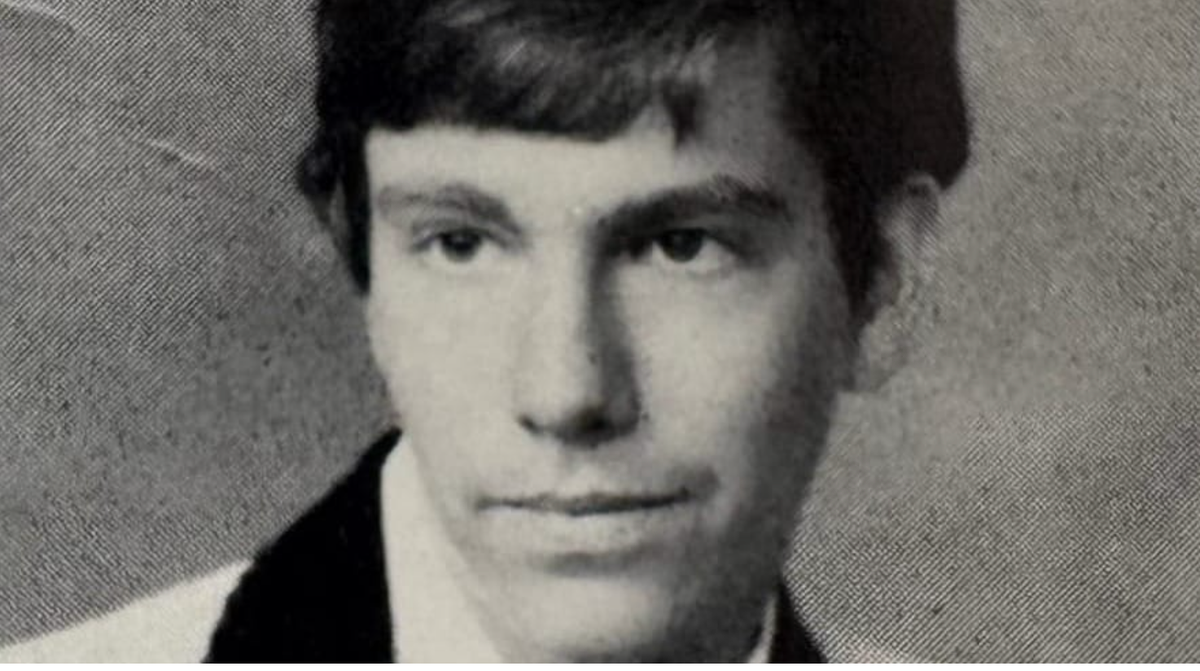
One of our favorite people who knows the WMO—and may even be in the room when storms are named—is Jack Beven, a classmate at Catholic High. Each morning, he would provide school bus riders with a rundown of the day's weather, clearly a boy already in love with meteorology.
Years later, I was watching television when Jack appeared in a national weather alert. I smiled at the sight of him. Jack had followed that childhood love all the way to Miami, where he became a senior hurricane specialist at the National Hurricane Center.
Jack goes by John now. Same hemisphere. Same wonderful human. The boy who once briefed a school bus now calmly tells anxious people whether it is time to bring in the patio furniture.
—Mukul Verma