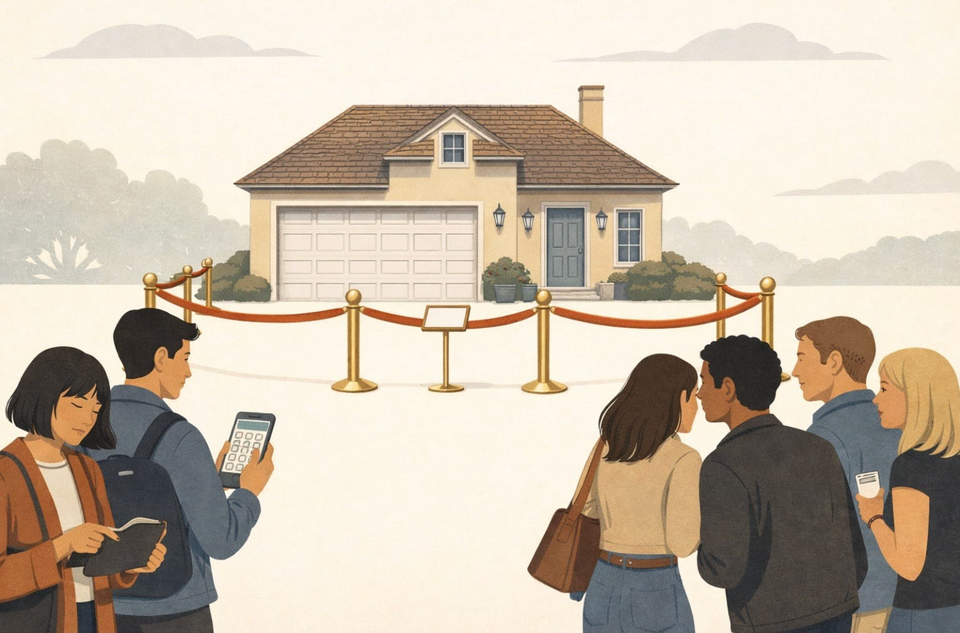
Front yards, front porches
Some Baton Rouge neighborhoods make it easy to meet your neighbors. Most don't. That's a problem worth fixing.
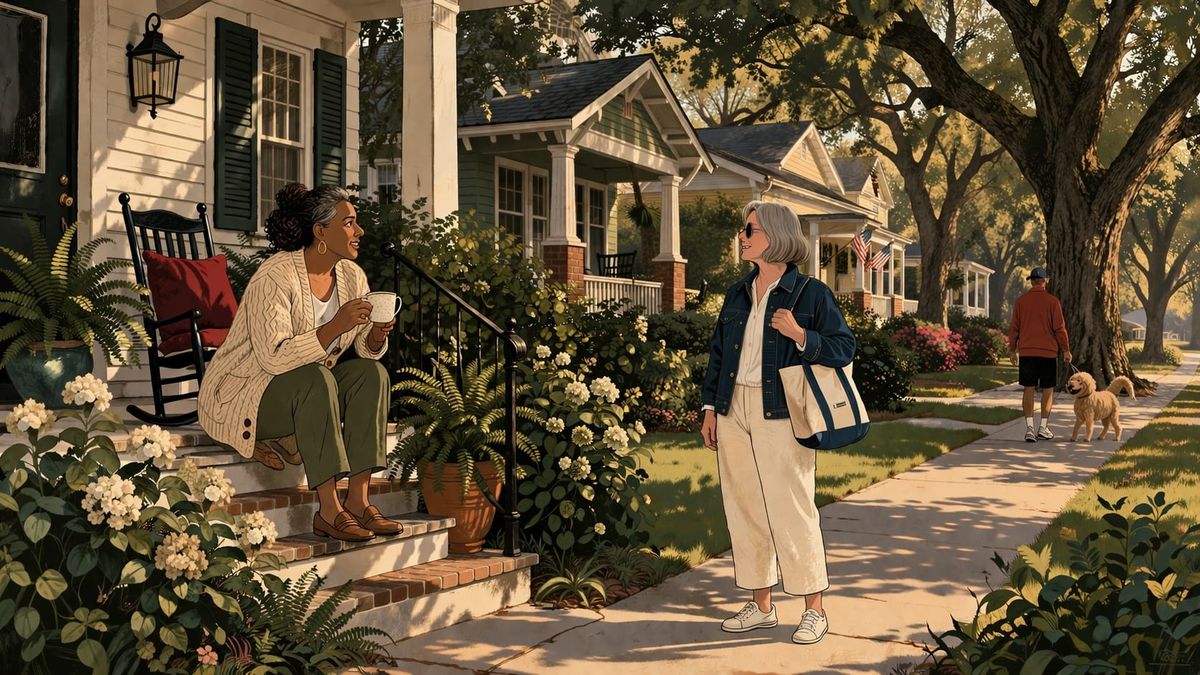
A growing movement in community design makes a simple argument: the space between your front door and the street is the most underused real estate in Baton Rouge.
Why it matters: New residents don't just need a job and a house. They need to feel like they belong. Neighborhoods designed for human interaction—not just SUV storage—are one of the most effective tools a city has for making that happen.
- This concept of gathering is especially important here, in a city where social circles were built in high school, making it a challenge to fit in for those without a zip code pedigree.
What it looks like:
- Front yards and porches designed as social space, not decorative buffer
- Seating, gardens, little free libraries, open sightlines
- Sidewalks that actually connect somewhere
- Neighbors who can see—and talk to—each other
It's not theoretical: Baton Rouge already has real-world examples of these communities in action.
- Spanish Town gets it right by accident of age. Limited off-street parking pushes life to the street. Most houses have front porches. People know their neighbors.
- The Garden District was named a Top 10 "Great Neighborhood" by the American Planning Association, with its front-porch culture cited specifically.
- Willow Grove, developed by Richard Carmouche, engineered it deliberately. The neighborhood centers around front porches, patios, sidewalks and shared green spaces.
- Front Yard Bikes is the most literal version—and a different animal entirely. Dustin LaFont started it in 2010 when neighborhood kids gathered in his front yard to fix bikes. One property. Full community institution.
But, but, but: Baton Rouge's zoning laws—setbacks, garage placement requirements, sidewalk gaps—make this kind of design the exception, not the rule.
The bottom line: Some neighborhoods people love most here were built for people, not cars. That's not a coincidence. It's a model.