Electric short circuit
Louisiana is one of six states with zero EV policies—and the infrastructure to match.
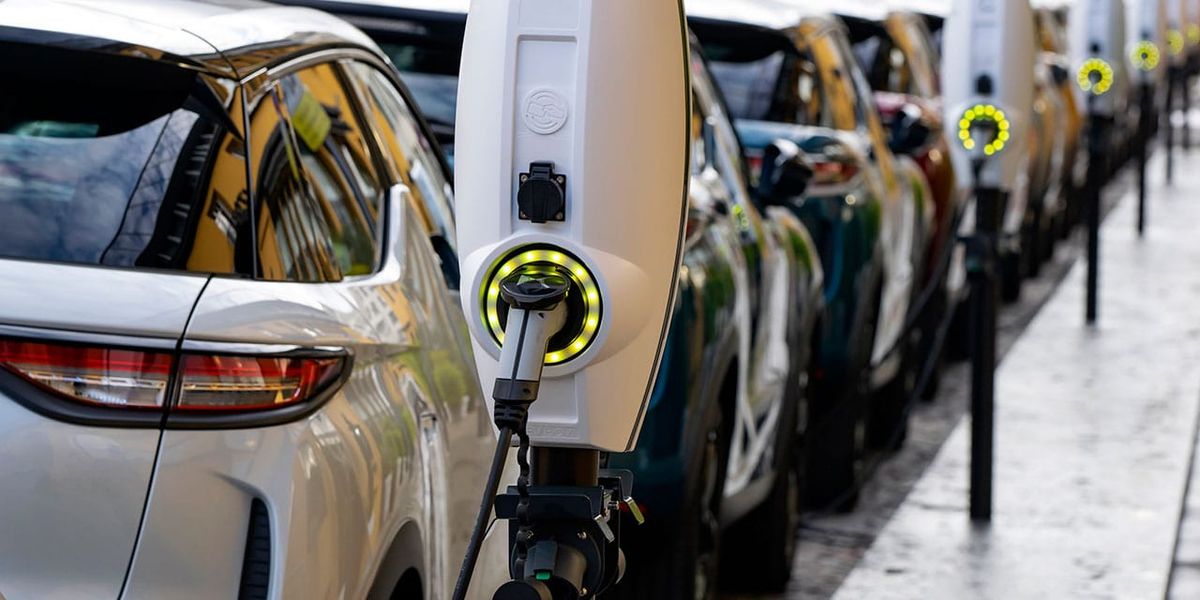
Louisiana is one of six states with exactly zero EV policies in place, according to a new Brookings Institution scorecard. That means no consumer incentives, no charging infrastructure requirements, no environmental standards and no fleet procurement targets.
Why it matters: If you're buying an EV in the next five years, Louisiana has made that choice harder and more expensive than in almost any other state in the country.
The scorecard measures five policy pillars: consumer incentives, environmental standards, charging infrastructure, market access and government procurement. Louisiana scores zero across all five, alongside Indiana, Ohio, Nebraska, Montana and South Dakota.
By the numbers: EVs make up less than 1% of vehicles on Louisiana roadways.
- The state ranked last nationally in EV chargers per capita as recently as 2022—8.3 per 100,000 residents—compared with Vermont's high of 139.7.
- Despite a 49% jump in charging stations between 2023 and 2024, Louisiana still hasn't deployed $73 million in federal infrastructure funding earmarked for EV chargers.
- Baton Rouge sits four-plus hours from most major destinations, making sparse charging infrastructure a practical barrier to ownership, not just an inconvenience.
The void: Washington, D.C., has largely exited the EV business—consumer tax credits expired last fall and federal charging funding dried up. Louisiana has chosen to fill none of it, while also charging EV owners a $110 annual registration fee that actively works against adoption.
The bottom line: Owning an EV here already comes with challenges, and Louisiana is actively making it harder.