
Data centers are here. Louisiana can leverage the AI investments
St. Francisville is getting a $10 billion facility and 75 permanent jobs. The state has a $50 million head start on creating more opportunities
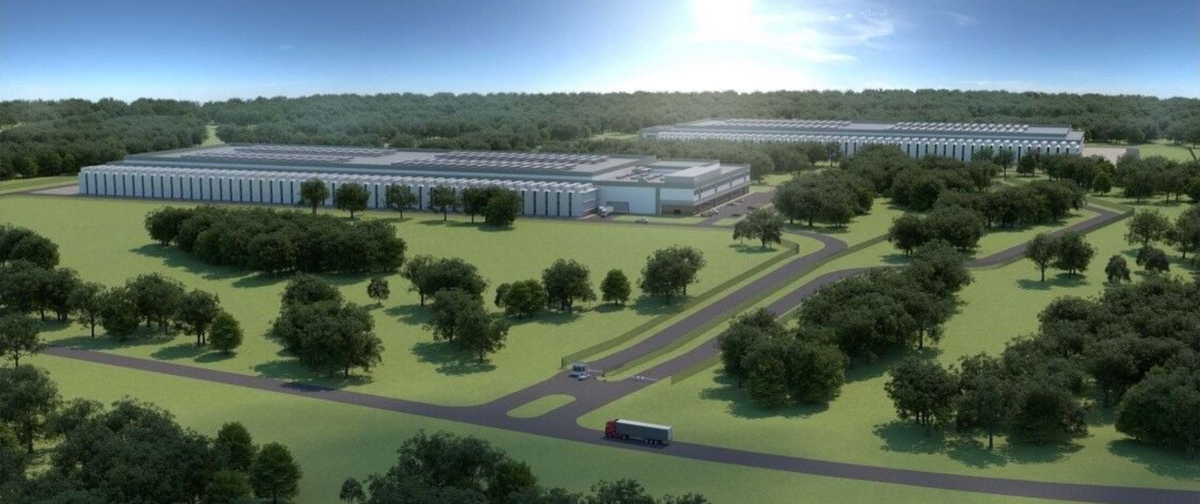
A thousand construction workers are on a job site in St. Francisville, building one of the largest data centers in the South. When they're done, 75 people will run it. That's how data centers work—and Louisiana already knew it was a problem.
Why it matters: Baton Rouge and West Feliciana Parish are sitting inside an AI infrastructure boom that doesn't come around often. A new report from ING, the Dutch investment bank, lays out how communities can convert a construction surge into something lasting. Louisiana has already created a $50 million fund to leverage the boom.
The details: The St. Francisville facility is a $10 billion project. The workers building it will eventually move on. The 75 who stay will manage power systems, cooling equipment and the machinery that keeps the lights blinking—less than 10% of data center construction employment, which is standard.
ING economist Coco Zhang argues that communities willing to think past the ribbon-cutting can do considerably better. Two moves matter most:
- Turn temporary workers into permanent ones. Construction ends. The buildings don't. Data centers need people who understand energy systems and heavy equipment—and those workers don't have to be imported if local training programs get there first.
- Don't settle for being the construction site. Microsoft figured out a bigger play in Wisconsin, pairing its data center expansion with college partnerships and helping local manufacturers adopt AI in their own operations. The data centers became an anchor. The economy should grow from there.
Louisiana is running that play. The state's $50 million fund is designed to seed startups and help existing companies put AI to work—exactly the kind of downstream strategy ING says separates communities that capitalize on the boom from ones that make short-term gains from the construction.
The bottom line: LSU, Southern and Baton Rouge Community College are a short drive from a $10 billion investment, and the state has money on the table to connect that world to this one. The framework is there. Now somebody has to take the next step.