BR angry driving explained
Long and hard to spell word says it all about the psychology of rage
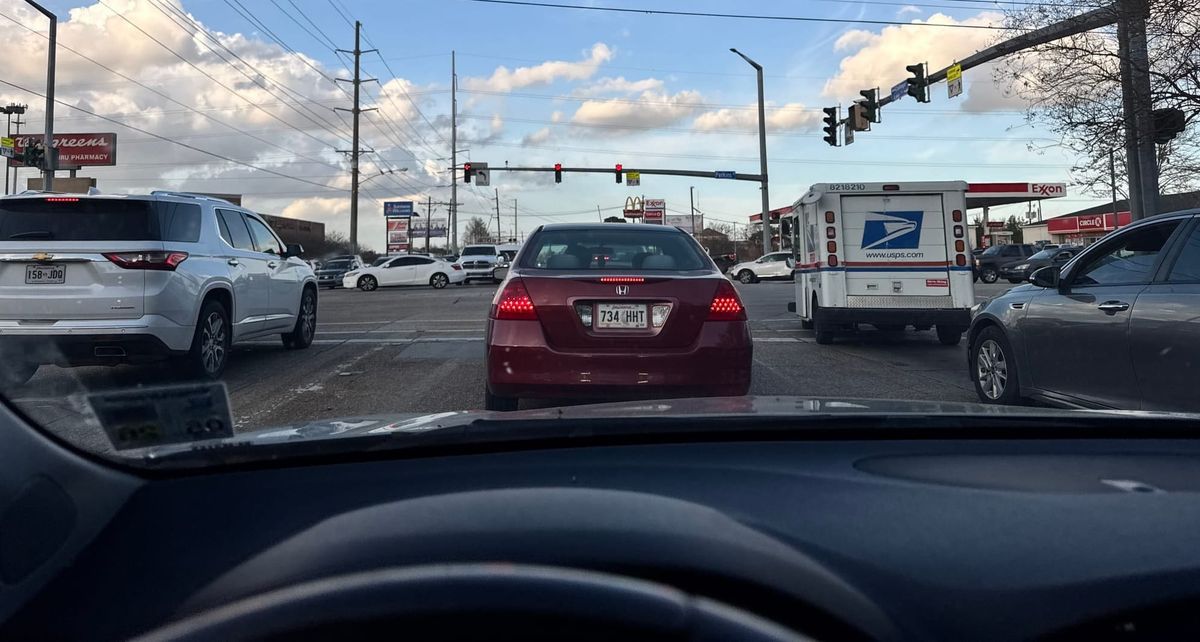
Baton Rouge traffic does not just fray nerves. It changes how people behave.
The idea: Psychologists call it deindividuation. People feel more anonymous, less accountable and less connected to the people around them. That helps explain road rage, speeding and tailgating — behavior many drivers would never try face-to-face.
A corollary: Baton Rouge has its own version. A driver guns through a red light to turn in front of you, then stares in the other direction, as if refusing to make eye contact can erase the fact that they just acted like a double thumbs-down loser.
The local angle: Baton Rouge gives deindividuation every opportunity to flourish. Trains block College Drive. Cul-de-sacs break the street grid. School pickup lines become obstacle courses.
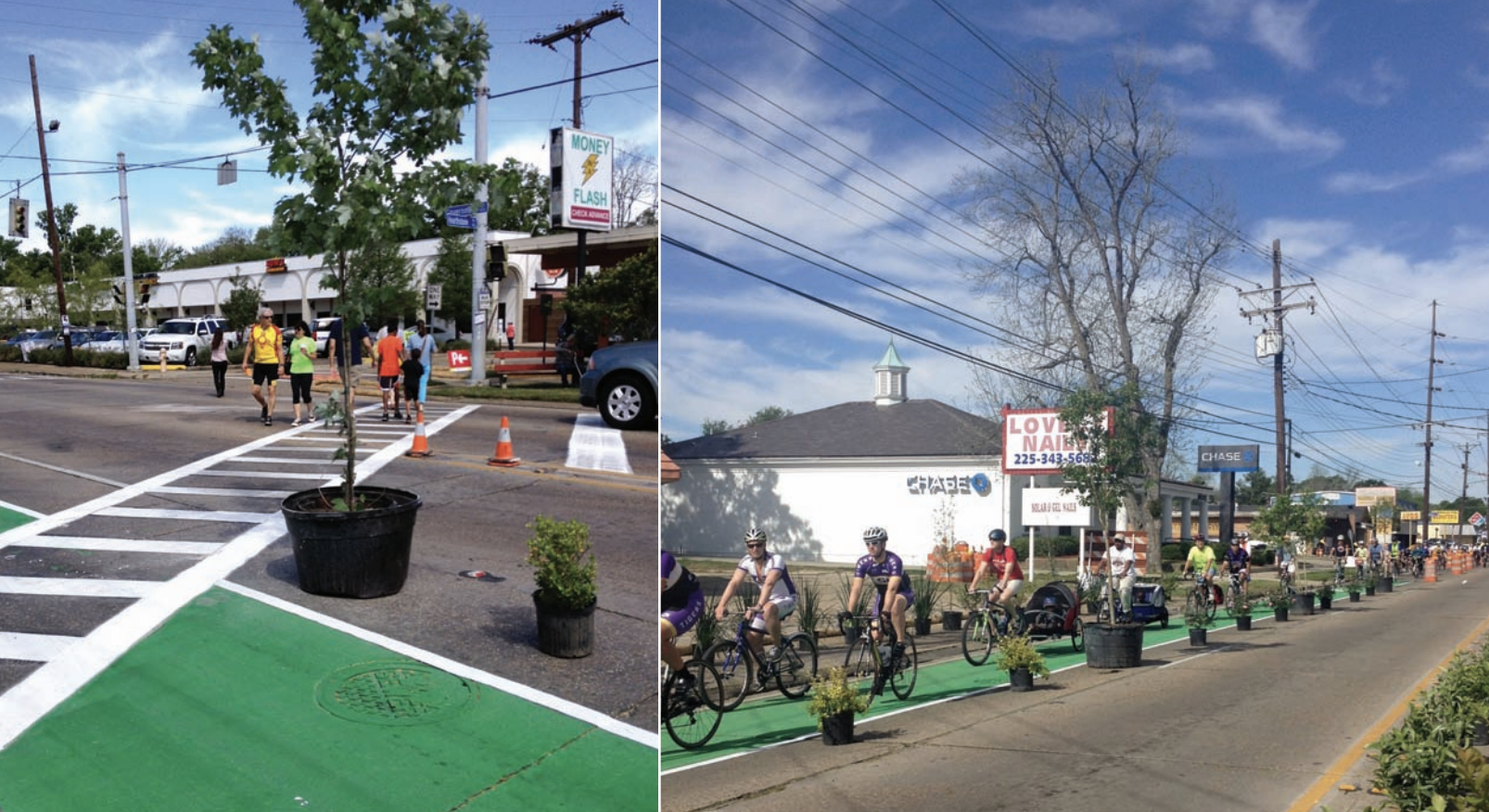
The bigger point: This is not just about manners. It is about design. Streets shape behavior. When roads feel chaotic and stressful, people drive that way too. A city built to make every trip aggravating should not be surprised when drivers become aggravated.
The bottom line: This does not let rude drivers off the hook. But better planning would help. One obvious place to start: figuring out whether the shuttered Albertsons site on College Drive could be part of easing traffic on the parish’s most failed street.