
Baton Rouge slowly discovers the no-mow yard
It's No-Mow May. Let your freak yard fly.
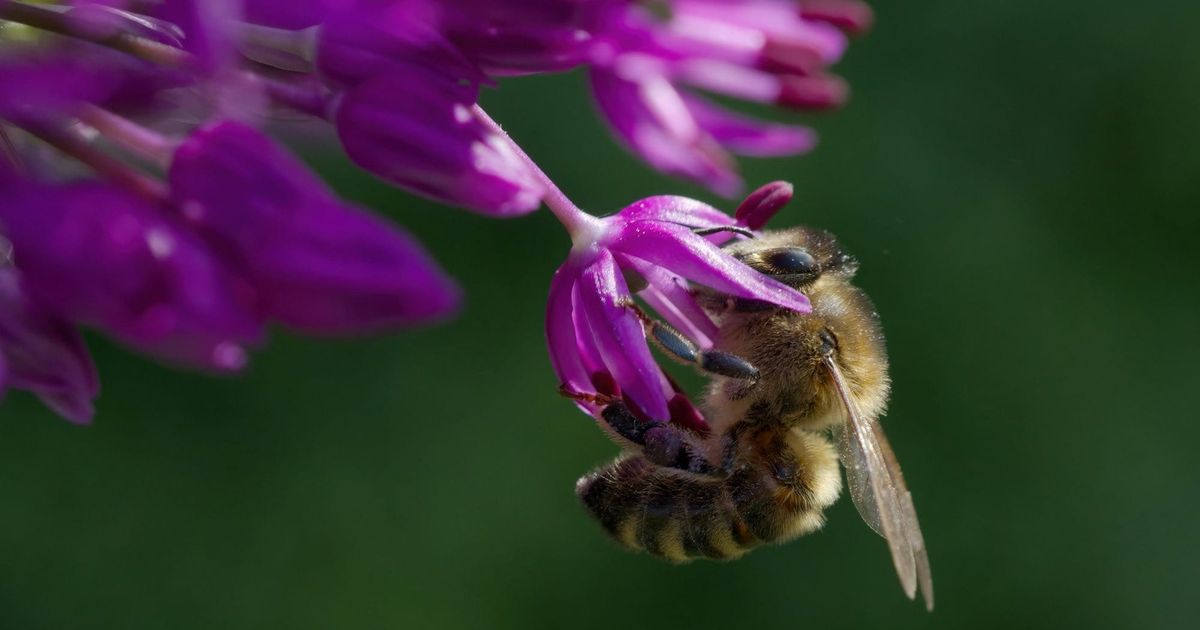
Louisiana's rich soil and long growing season make it an ideal place for the small but growing movement away from grass.
Why it matters: Baton Rouge spends roughly eight months a year mowing, edging and blowing nature into submission. Letting parts of a yard grow a little wild can feed bees, butterflies and other pollinators—while testing whether your neighbors see ecological virtue or just neglect.
Where things stand: May is No Mow Month. Some cities officially allow residents to skip the mower, often permitting backyards to go wild while requiring front yards to stay tidy.
The case for it: Sage Roberts Foley, executive director of Baton Rouge Green, outlines the benefits:
- Converting yard space to edibles or pollinator gardens is self-evidently good.
- Pollinator plants feed insects, bees, caterpillars and butterflies.
- Their deeper root systems absorb more water than grass, which sheds runoff beneath houses and into drainage systems.
- And the most compelling argument of all: no pushing a mower around in August heat, burning fuel and—unless you have an electric—inhaling exhaust fumes.
For the faithful: The Catholic Church's social teaching offers a framework here. Lawns consume resources—money, water, chemicals—that could serve the common good. Growing food and flowers is a more virtuous use of the land.
The bottom line: The no-mow movement is small in Baton Rouge. But few places in America are as naturally suited — in soil, climate and cultural spirit—for tending vegetable gardens and flowers.