Pothole playbook
Coming soon: a roving pothole fixer, no crew needed
Baton Rouge has discovered that one of the least glamorous functions of municipal government makes for good politics. Under Mayor-President Sid Edwards, the city’s “Pothole Posse” has been repairing 40 to 50 street divots a week, with more than 2,000 filled since he took office. Well done, Mr. Mayor.
Now comes the more interesting question. Can pothole repair be industrialized?
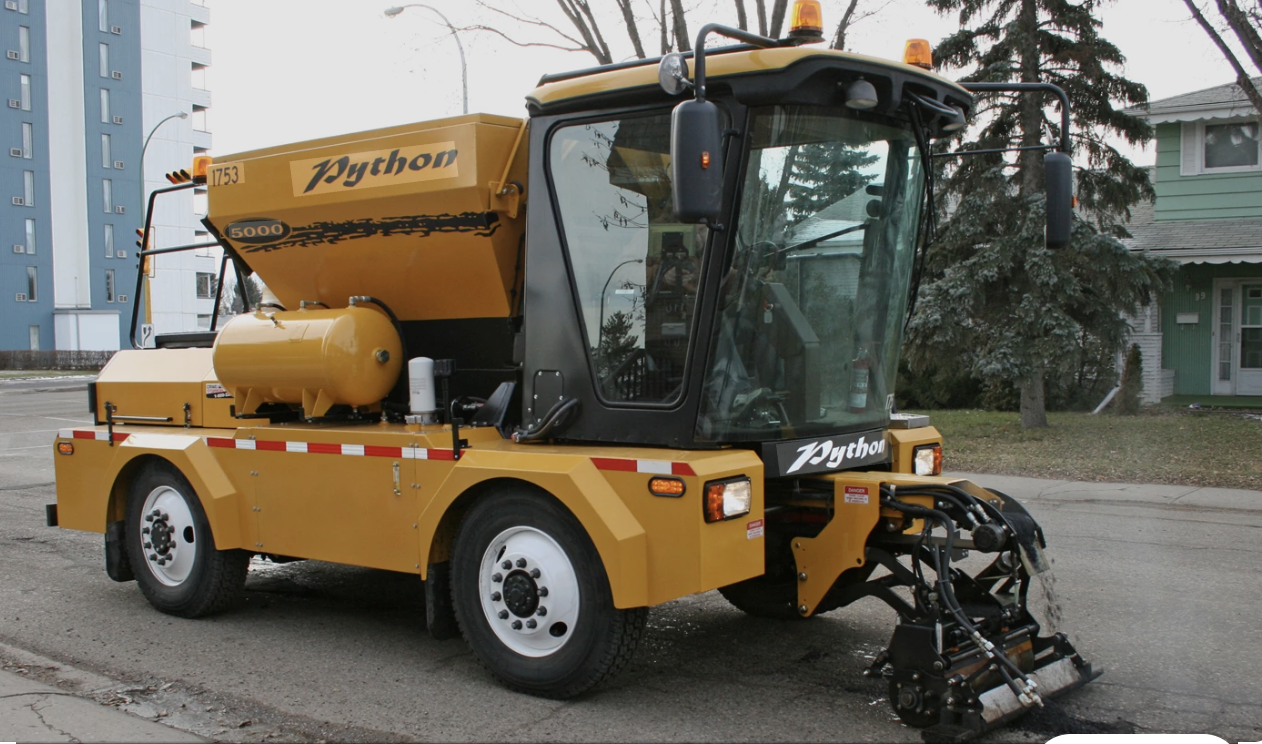
Enter the Python 5000, a machine that sounds absurd but may be the Drew Brees of pothole repair. Operated by a crew of one, it automates much of the job: cutting out the damaged area, shaping angled edges and laying a sturdier patch than the usual municipal method of dumping tar and moving on. The result lasts longer.
Whether Baton Rouge needs such a contraption is less clear. The machine is said to cost around $450,000, uses more material and is hardly cheap to run. It saves manpower, but not money in any obvious sense.
Yet, a new development could clearly upend the pothole repair enterprise. And AI is involved. A British firm is testing an autonomous pothole fixer that roves through cities to find and fix potholes, with no crew required.