
A new flavor
Immigration is offsetting a decline in the native population, making Baton Rouge more varied and interesting.
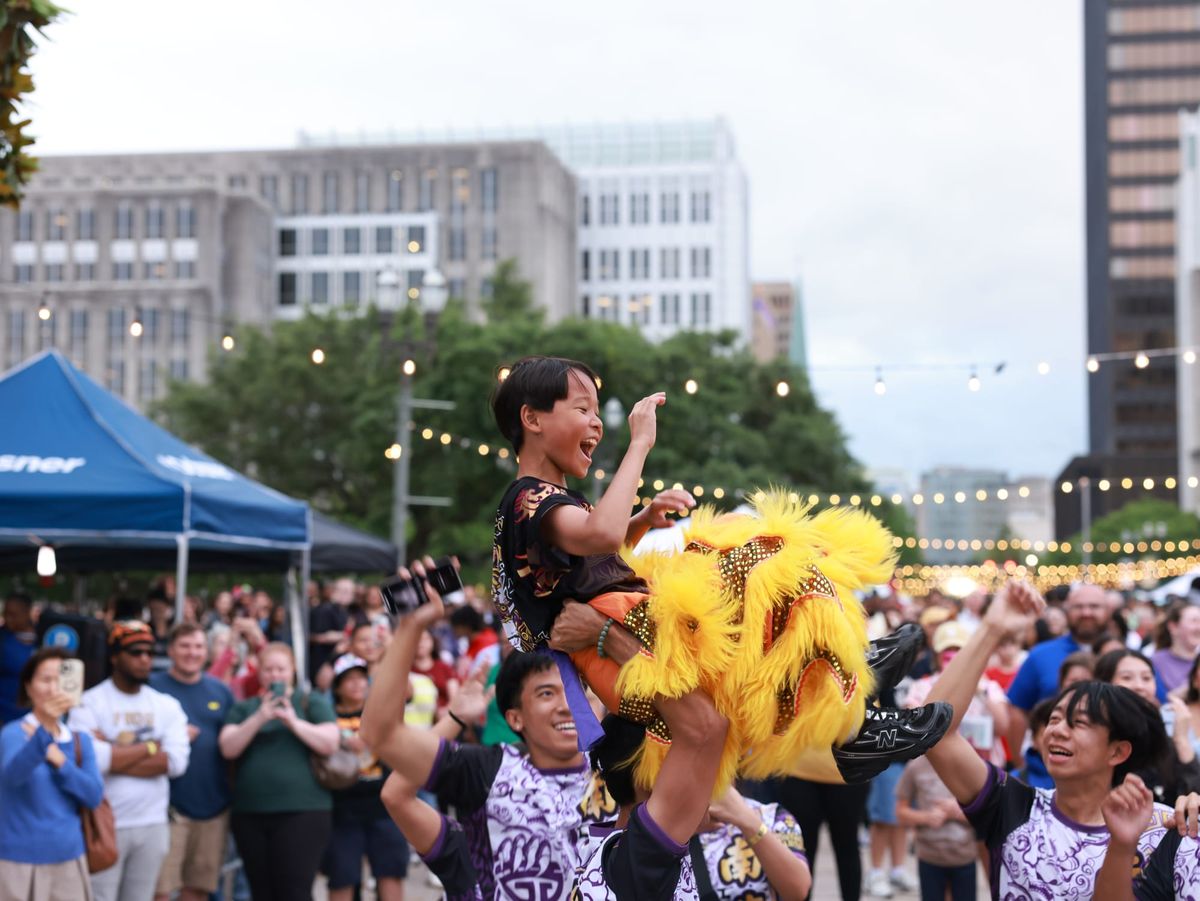
Immigrants have kept East Baton Rouge from shrinking, diversifying the parish and enlivening its culture. Without them, the population would have declined sharply and the culture would have been dull.
Why it matters: Population growth is not mere vanity. More residents mean more workers, more entrepreneurs and more taxpayers to finance an aging population’s pensions and public services.
What’s happened:
- From 2000 to 2020, the parish’s population rose by less than 10%—barely 0.5% a year, according to census figures.
- Fertility rates have fallen below replacement, and white flight to surrounding parishes and an exodus of young graduates to Texas and beyond have thinned numbers. The pattern continues into this decade.
The data:
- Immigration has offset the drops: the foreign-born share of EBR doubled from 3% to 6%, adding roughly 27,000 newcomers in two decades (2000-2020).
- White (non-Hispanic) share of EBR fell from 55% to 42%.
- The Hispanic share more than tripled, 1.8% to 6.7%, led by arrivals from Mexico and Honduras. Hispanics now make up more than 31,000 of EBR residents. 2025 estimates have it at 7.3%.
- The Asian share rose as well, from 2.1% to 3.2%, about 14,500 people in 2020. 2025 estimates have it at 3.8%.
On the ground:
- Strip malls now host Hispanic supermarkets, panaderías and Latin American restaurants. Ideal Market operates two outlets—one near Gardere Lane, another on Sherwood Forest Boulevard—while La Morenita sits on Florida Boulevard.
- Indian restaurants and grocers are clustered around Sherwood Forest and Coursey boulevards, hinting at the rise of a “Little India.” Bay Leaf and Swagat are nearby in the Sherwood-Coursey corridor, with Spice Junction ready to open. Two Indian grocers are in the area. Aroma and Gunpowder, two new Indian restaurants, have opened near LSU.
- Side note: Most international businesses are in Southeast EBR, where lower rents are an incentive to pursue the American dream.
A smashing success:
- Night Market BTR—founded by Laura Siu-Nguyen–offers food from Vietnam, Korea and Japan. Attendance at the festival was 500 when it began in 2022. Last year, 12,600 showed up, forcing a move from Town Square in downtown to the Capitol grounds. The next one is Saturday, May 9.
- Placer AI data from the Downtown Development District shows that EBR has welcomed diversity: 50% of attendees at Night Market BTR were white, 33% black, 7% Hispanic, and 5% Asian.
- “Through my events, I’ve seen firsthand how food and culture connect us and strengthen communities,” says Siu-Nguyen. “It’s cool to see more people trying new food and bringing innovative dishes to the table.” She is of Chinese descent but was born and raised in Honduras.