The park Baton Rouge keeps almost building
BREC chair says the future of City Park belongs to those in their 20s, 30s and 40s. That's the right generational hand-off
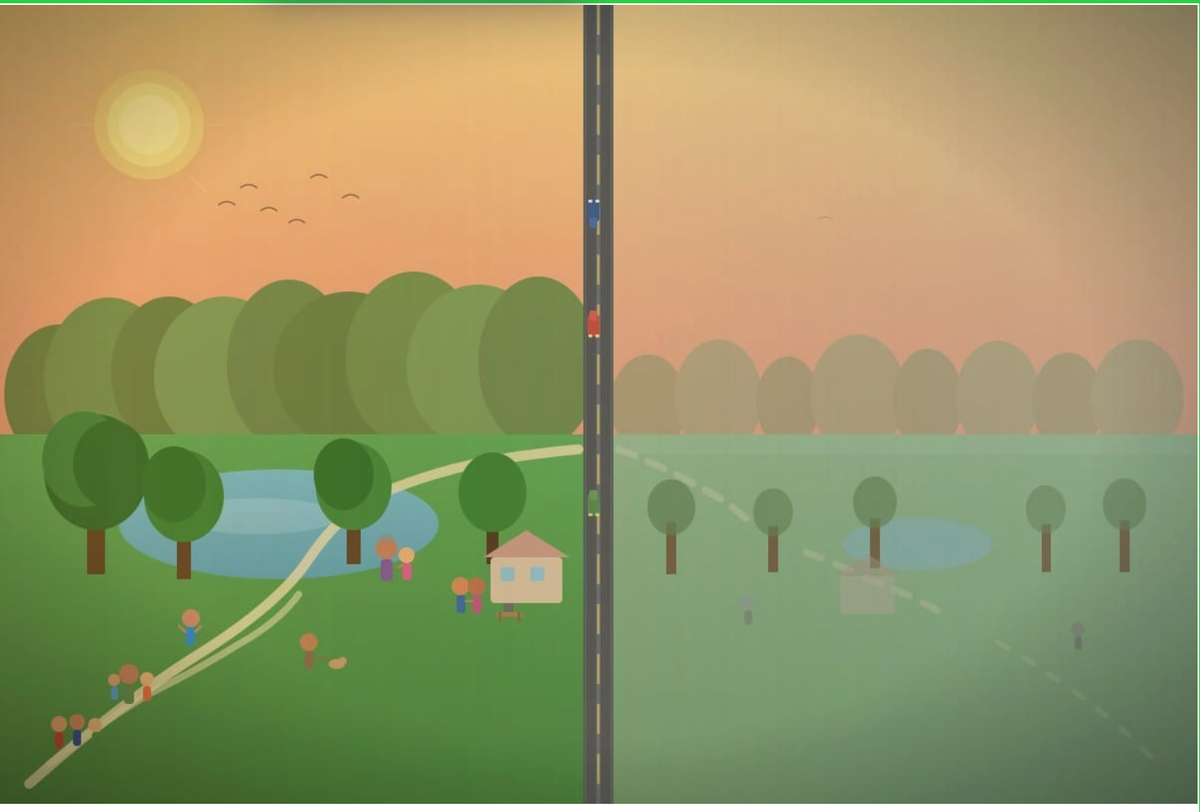
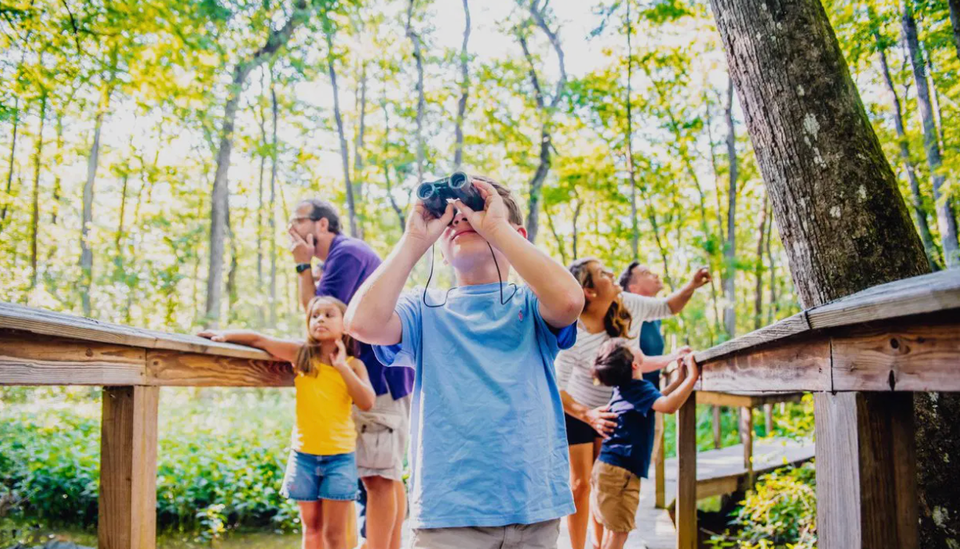
Mike Polito has a specific vision for City-Brooks Park. "City Park needs to be what the next generations want it to be," the BREC Commission chairman tells RedEye. "It needs to be a central park, where a grandmother can pick up her granddaughter in the morning, go to Knock Knock Children's Museum, have an ice cream with her, wander all day and end up at Wampold Park without realizing that she spent all day seeing different things."
It is a beautiful vision. It is not the park that exists today.
The gap: Dalrymple Drive splits City-Brooks in half, and more than 30 respondents to BREC's recent public survey volunteered—unprompted—that its crossings are dangerous. The park's destinations function as isolated nodes rather than a connected experience. The west side, home to Brooks Park, remains underloved and underinvested. A grandmother and granddaughter could not today wander seamlessly from Knock Knock to Wampold Park. The infrastructure for that experience does not exist.
Survey question: BREC's master planning process drew 1,084 responses to a public survey—a credible number for this kind of engagement, but not representative. Participants skewed toward higher-income, older, white residents who already use the park regularly. Black residents, who make up roughly half of East Baton Rouge Parish, were underrepresented. The survey captured the priorities of the park's most engaged current users—a meaningfully different thing than the priorities of the community the park is supposed to serve.
Harder question: That gap isn't an accusation against BREC. It's a design problem—and arguably the most important one the master plan needs to solve. The question worth asking isn't why certain communities showed up lightly to an online survey. It's about whether the park, as currently experienced, gives every family in this parish an equal reason to feel it belongs to them.
Golf lesson: The debate over golf is instructive here. The traditional 18- or 9-hole municipal format largely excludes people—it’s slow, land-intensive and culturally specific. The park Polito is describing doesn't have room for old golf. It might have plenty of room for something better. The master plan should know the difference.
Master plan moment: Sasaki, BREC's planning consultant, has distilled the engagement process into seven recommendations, ending with a simple charge: dream big, be bold. That's the right instinct. But bold means something specific here. It means building the connectivity that makes the grandmother-granddaughter experience possible. It means investing in the west side with the same seriousness as the east. It means designing amenities that give every demographic in this parish a reason to show up—not just the ones who clicked a link.
The bottom line: Polito, at 65, says the future of the park belongs to those in their 20s, 30s and 40s. That's the right generational hand-off. But the decisions being made right now—in this master plan, in this process—will either build the foundation for that future or foreclose it. The park Baton Rouge keeps almost building is one bold decision away from becoming the park this city actually needs.