She stocks Baton Rouge’s imagination
How Jenna Jaureguy buys books for a city — and what its choices reveal
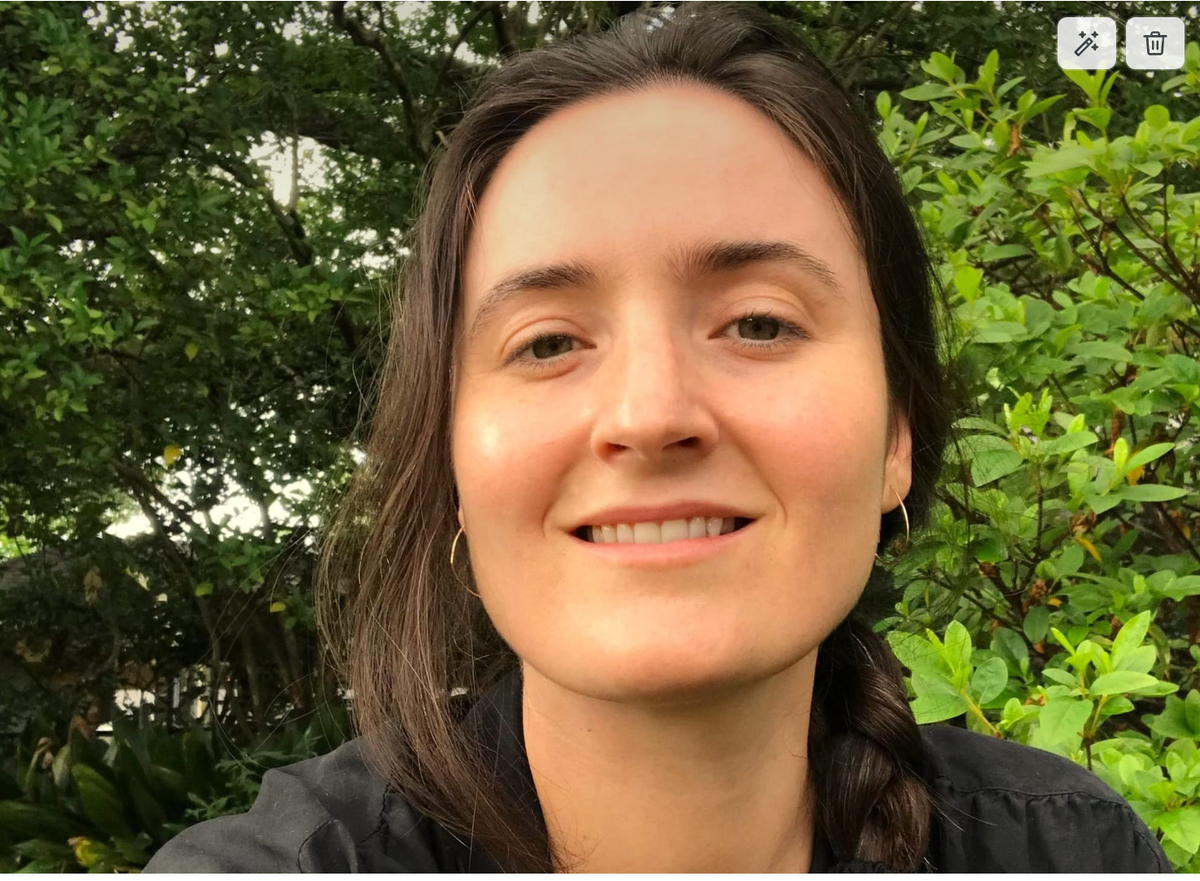
If you have recently checked out a book from the library, there is a fair chance Jenna Jaureguy chose it for you. As the collection development librarian for the East Baton Rouge Parish Library, she decides—methodically and with a budget running into the millions—which titles land on the shelves.
A native Californian, Jaureguy arrived in Baton Rouge in 2013 to work at Baton Rouge International School, later moving to the parish library system. (The interview is lightly edited for brevity and clarity)
Mukul Verma: Of the top 10 books checked out at the library last year, most of them are romance and fantasy novels. Why is that?
Jenna Jaureguy: I think they’re an easy read. For millennials, they also loop back to when the Hunger Games and Twilight series were really big. These books are an escape for a lot of people, and they’re often huge, like 1,000 pages, and people really like to dig into them.
MV: Is this something new, or part of a trend?
JJ: It’s been building for five or six years. Instead of big fantasy series on their own, these books usually have a strong romance at the center, with familiar tropes — enemies to lovers, for example. So in some ways they’re predictable, but they also have fun fantasy elements: fairies, dragons, that kind of thing. There’s another piece, too: cosplaying, and what they call LARPing — live-action role-playing.
MV: Are most of the readers of romance millennials, or is it broader than that?
JJ: That’s what I initially thought. But I’ve talked to younger people and they’re reading it, too — and so are young men. I was surprised. I thought it was mostly women readers.
MV: What makes it so popular?
JJ: The stories are accessible — easy to get into. They have a huge fandom on TikTok and social media, and readers hear about them from their favorite influencers. A community forms around the books, and that community does fun things online and offline, too.
MV: A lot of people decry the rise of social media. But in this case, it’s a tool for forming communities around books and stories, which feels like a good thing.
JJ: That’s always kind of the flip side of social media. It can bring a lot of people together, especially to create fandoms. I think that’s true with K-pop, too. We have some co-workers who are really into K-pop, and they go to concerts with people they met online. Communities are leaping from online into real life.
MV: Has the rise of social media communities changed how authors are writing?
JJ: It’s changed publishers a bit. In the months before a new book comes out, they’ll push a romance novel hard. And they’ll encourage authors who used to write, say, paranormal, to add a romantic thread.
MV: How big is your book acquisition budget?
JJ: We get about 12% of the overall library budget — around $6 million — spread across all departments.
MV: Do you ever feel kind of powerful, like you get to decide what library patrons read?
JJ: When I first started doing it, it was nerve-wracking, because the amount to spend feels like a lot — and it feels both real and not real at the same time. But over time it has become second nature.
MV: What’s the process you use to purchase books?
JJ: I make a list every month of what’s coming out, what the industry thinks is going to be big, and what’s been reviewed. Then I go through it with one colleague and we decide what to get, how many copies, and which department it should go in. It’s a lot of work. We look at about 500 books a month and buy about 200 of them.
We also use data from Libby requests to spot demand. People call with requests, too — especially when they hear recommendations on, say, WRKF.
Sometimes we just find a book that looks interesting and give it a try.
Personally, I took two big trips last year — to Hawaii and South Korea — and I like to read books about where I’m going.
MV: Is there any insight you can share about Baton Rouge, generally, from what people check out?
JJ: For me, what people read in Baton Rouge tends to track what’s popular nationally. Romance is really big — about a third of what people are reading here. Another major share is mystery and thriller. And then there’s a mix of general fiction and other categories.
MV: Is anything different about us?
JJ: People here are very interested in Louisiana stories and Louisiana writers. There’s a lot of pride in local culture — the way people live here. People want to support the community. They like what we have here, and they want other people to know it, too.
MV: What trends in reading do you see around the corner? What’s the next big thing?
JJ: “Cozy.” They are warm-hearted, calm stories. It started with cozy mysteries and cozy fantasy, and now it’s bleeding into other genres. They don’t have gratuitous violence. If there’s a murder, it’s more behind the scenes.
MV: One more thing: What brought you to books in the first place?
JJ: Family. My parents were both in education. I have brothers, and reading was something we always did. We’d get books for Christmas and special occasions. It was just in the environment. We all still read. To me, it’s the best hobby.