The aquifier in the room
Memphis thought of a clever way to cool data centers: recycling wastewater
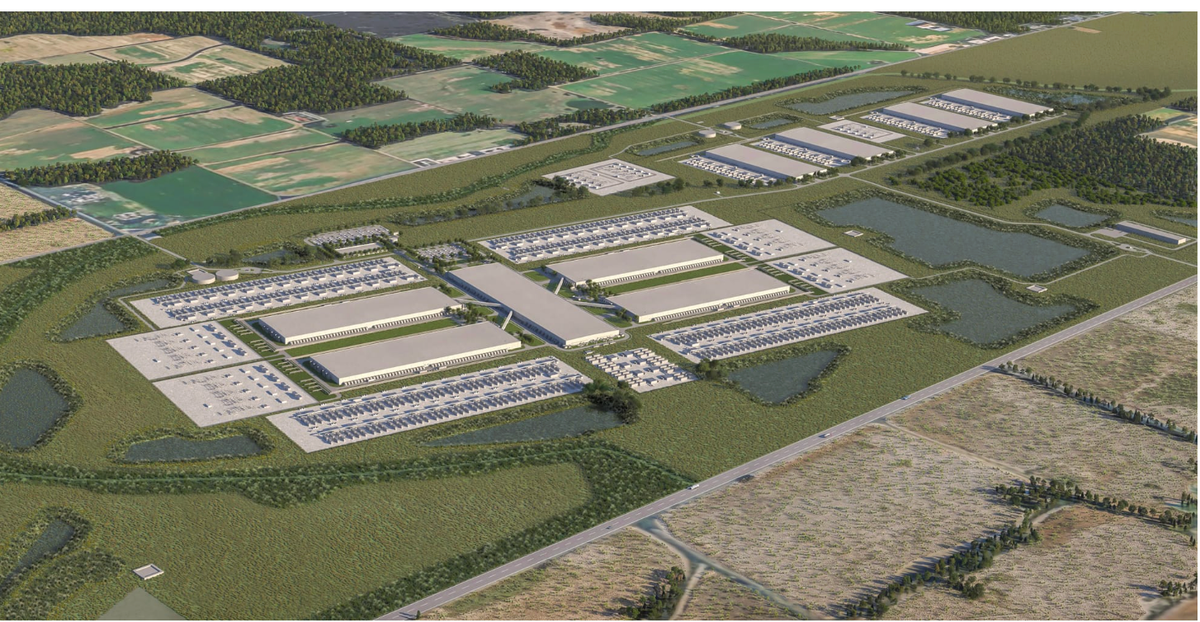
AI data centers are coming to Louisiana. They consume water like small cities. And the state has no requirement that they use anything other than drinking water supplies to cool their servers.
Forward thinking: Memphis found a smarter approach—recycling treated wastewater to cool xAI's Colossus supercomputer rather than tapping drinking water supplies.
- A single large data center can use as much water daily as a town of 50,000 people.
- Amazon has used recycled water at data centers since 2020, now across 20 U.S. locations. Google uses reclaimed water at a quarter of its campuses.
- Google's new data center in West Memphis—just across the river—uses recycled wastewater specifically to protect local drinking supplies.
Why it matters: Gov. Landry has made AI data centers a centerpiece of Louisiana's economic development strategy—and the deals are landing close to home. Meta's $10 billion campus is under construction in Richland Parish. Hut 8's $10 billion River Bend facility is coming to West Feliciana Parish, 35 miles north of Baton Rouge. Both draw from aquifers already under stress.
- Meta's facility is registered to consume up to 23 million gallons daily—roughly the amount used by 17,000 residents.
- An LSU simulation found maximum pumping could drop groundwater levels more than 65 feet, risking land sinking and saltwater intrusion.
- Saltwater intrusion into the Southern Hills Aquifer—Baton Rouge's sole drinking water source—is an existing, worsening problem driven by decades of industrial overpumping.
Bit of background: xAI's Colossus initially pulled 3 million gallons of drinking water daily before community pressure forced a rethink. The wastewater plant that solved it was a quarter mile away the entire time. The solution came after the fight—not before.
Key quote: "There's no incentive for them to use less water because they don't have to pay for it, and it's not regulated or reported."—Christopher Dalbom, Tulane Institute on Water Resources Law and Policy.
The bottom line: Louisiana is actively courting some of the most water-intensive industrial facilities on the planet—without requiring them to protect the drinking water supplies residents depend on.