Lake woes be gone
The lakes will bloom with irises, goldenrod, switchgrass and other natives
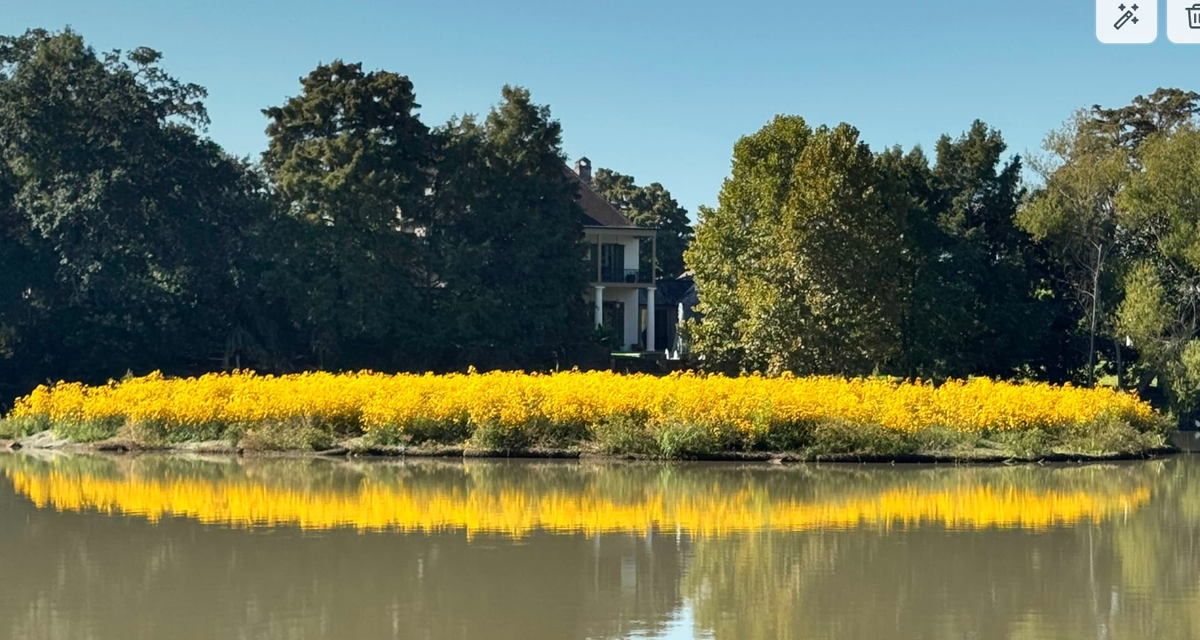
This spring, the edges of Baton Rouge’s lakes will burst into bloom—purple iris, goldenrod, and switchgrass shifting with the seasons, CSRS’ Mark Goodson, a project advisor, tells RedEye. The color will mark a return to life for waters that had been fading—grown shallow and weedy after decades of neglect.
Project details: The turnaround comes with $80 million in dredging and construction across most of the University Lakes system. Work traces back to a master plan launched about a decade ago by the Baton Rouge Area Foundation. LSU’s foundation is overseeing the project now, with funding largely from the state, plus BREC and the city-parish.
Dredging by Sevenson Environmental has removed sediment, reshaped shorelines, and made room for new planting along the edges. Those living banks are designed to hold soil in place, filter water and create a shoreline that’s both more resilient and more beautiful.
Why it matters: The six lakes are among the city’s defining public spaces. Left alone, they would have continued filling up with sediment. Instead, they’re being rebuilt as a showpiece for the parish: safer for outdoor activity, better for water quality and a visible signal of civic investment.
What’s being planted:
- City Park Lake: New, undulating shorelines planted with native species—switchgrass, iris, goldenrod, and others—chosen for low growth and manageable maintenance.
- University Lake: The same native mix will be planted this year. The overgrown and bigger bird sanctuary will be stripped and replanted to match City Park and University Lakes.
- Invasives: Contractors are removing invasive plants. After that, LSU, BREC and the parish may share maintenance—an experiment in how well bureaucracies can garden.
- College Lake: The design shifts slightly. Along the curve leading to Stanford Avenue, sweet bay magnolias and shrubs soften views for neighbors and buffer a future pedestrian path, while the waterfront gets native plantings.
How it works: The new vegetation does more than look good. It slows stormwater runoff from streets and lawns, trapping sediment and trash before they reach the water.
Other upgrades:
- Stanford Avenue weir: Rebuilt to give the parish better control over lake levels—lowering ahead of storms and flushing sediment to improve water quality.
- Deeper lakes: The system is designed to handle heavier rains and make wildlife happy.
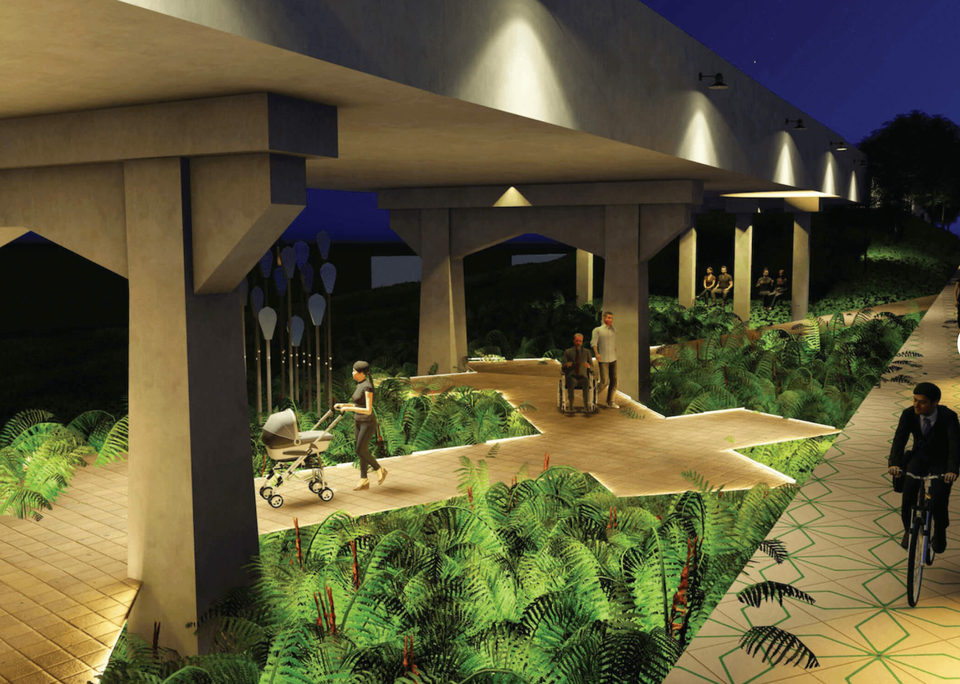
- Connecting the lakes: A bridge and paths are under construction to link the two largest lakes. In 2027, boaters will be able to paddle from Dalrymple Drive to Stanford Avenue.
- New parkland: Sediment is being pumped to help build a new park on University Lake near Dalrymple and May Street.
The impact: Goodson calls the lakes “arguably one of the greatest quality-of-life assets in the parish.” It’s the kind of project that makes a place feel more finished—and easier to sell, to newcomers and to ourselves.