
If St. George schools pass, then what?
A compressed, legally fraught transition is likely, including transfer of assets and where magnet school students would attend school
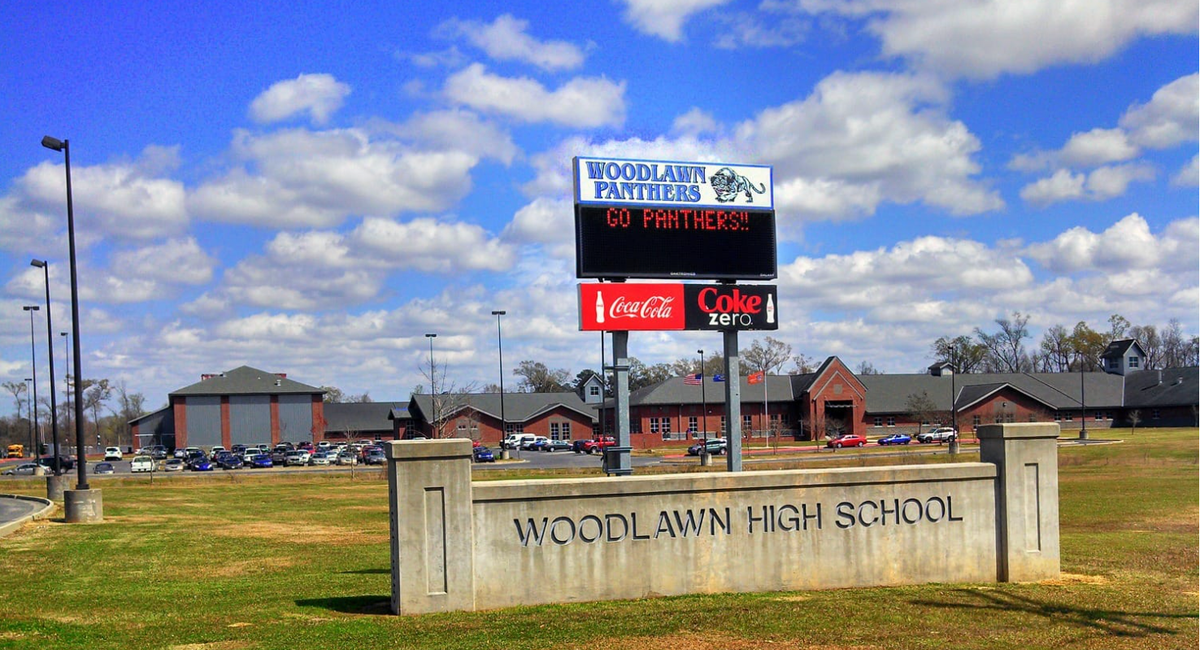
A vote to create the St. George school district on May 16 would trigger something almost as complicated as the campaign itself—a compressed, legally fraught transition with several unresolved questions that enabling legislation alone cannot answer.
The magnet school problem: Of the 6,500 public school students residing within St. George, roughly 2,000 currently attend a charter, magnet or gifted-and-talented program within the EBR school system—including coveted seats at Baton Rouge Magnet High. What happens to those students if St. George becomes its own district is the most immediate and personal question facing many families on the yes side.
- The enabling legislation includes language allowing St. George students to enroll in EBR magnet schools under rules set by both districts.
- But no cooperative endeavor agreement exists. EBR Board President Shashonnie Steward has been direct: with overcrowded magnet schools and lengthy waitlists, EBR students come first.
- When Baker, Central and Zachary previously broke away, there was no cross-district enrollment—students in EBR magnet programs were dropped from the rolls and required to transfer, graduating seniors were the only exception.
"We're trying to work something out, and I remain optimistic. I am a believer in choice and having the money follow the child, so it would be hypocritical of me not to want the money to follow a student to Baton Rouge schools if that's where the family chooses to educate their child."—St. George Mayor Dustin Yates says.
The transition: A governor-appointed interim board would oversee the separation and negotiate the transfer of school properties, equipment and financial assets from EBR.
- Under Louisiana appellate precedent from the Baker school district case, school buildings transfer without compensation—the court ruled it is simply a handoff from one public trustee to another.
- But buildings are the easy part. The fate of the planned $45 million high school on Siegen Lane, legacy cost calculations, existing debt apportionment and the unresolved magnet access question are all live negotiating points—none settled by the enabling legislation alone.
- Yates has pledged the new district will operate under a mandate that at least $1 of every $2 spent on public education goes directly into the classroom, signaling a leaner administrative structure than EBR's—but building that structure from scratch while simultaneously negotiating a separation will test the new district's capacity before it opens its doors.
- Opponents argue St. George will have to impose new taxes to properly fund an independent school district, a claim refuted by St. George officials.
The litigation risk: History is instructive. When Central broke away in 2007, the new district sued EBR, claiming it was owed millions of dollars, school buses and equipment. A state district judge ruled against Central. Baker's board won on appeal after filing for a declaratory judgment over property ownership—but both processes consumed time, money, and goodwill that neither district could afford.
- With a larger and more complicated asset base than either Baker or Central, neither side dismisses the possibility of litigation—given that virtually every prior chapter of the St. George saga has ended up in court. Where they diverge: St. George officials believe the enabling legislation resolves most compensation and reimbursement disputes before they can become courtroom arguments. EBR's board isn't so sure.