Feeding seniors or building empires?
A state audit of the East Baton Rouge Council on Aging shows the agency closed fiscal year 2025 with a net position of $16.3 million—a healthy balance sheet for a nonprofit that was running on $3.2 million a year before EBR voters approved a dedicated property tax in 2016.
Why it matters: No one questions whether seniors need meals, transportation and housing support. The harder question—one that's followed the COA since the millage passed—is whether a tripling of revenue has kept pace with its mission, or quietly expanded it.
Clean audit: Total revenue held at $16.3 million against $14.1 million in expenses, according to the audit.
The dependency problem: Property taxes now account for nearly 75 cents of every COA dollar—$12.1 million of $16.3 million in total revenue. Federal and state grants fell 23%. Unrestricted contributions dropped more than 50%. It's worth asking whether the guaranteed millage revenue has dulled the agency's appetite for pursuing grants and outside dollars as aggressively as it once had to.
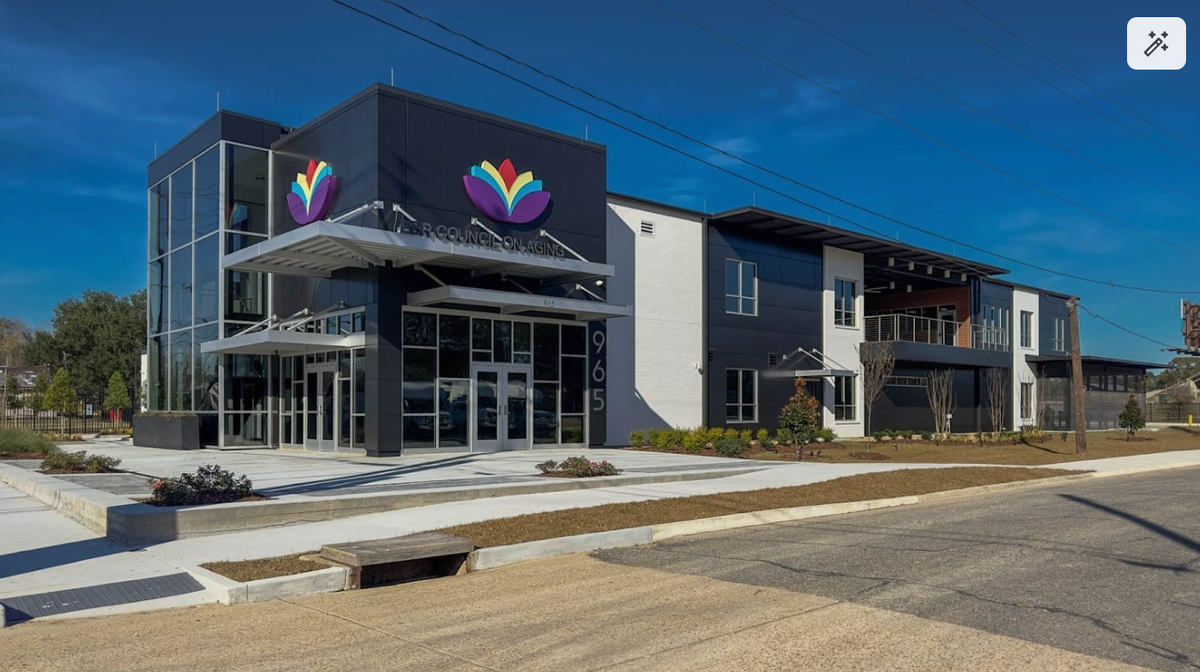
The growth question: The COA's budget more than tripled after the 2016 millage—from $3.2 million to over $10 million by 2018, and $16.3 million today. Since the millage passed, the agency has invested $27 million in capital projects, including a new headquarters and senior centers. Whether that build-out reflects smart long-term investment or mission creep is a question EBR voters haven't been directly asked to answer.
What's next: The original 10-year tax expires this year. The COA is asking voters to renew it at 2 mills—down from the original 2.25—on the June 27 ballot. The ask follows November's failed Thrive EBR proposition, which would have locked in a similar structure.
The bottom line: The COA has delivered 8.4 million meals and serves 25,500 older adults annually. That record is real. But a June vote on a $12 million-a-year revenue stream deserves more than a rubber stamp—it deserves a clear accounting of what the money built and why, and whether the nonprofit has become too dependent upon property tax dollars.