A gallery worthy of the frame
BR Gallery is desiging a space five times larger for City Park
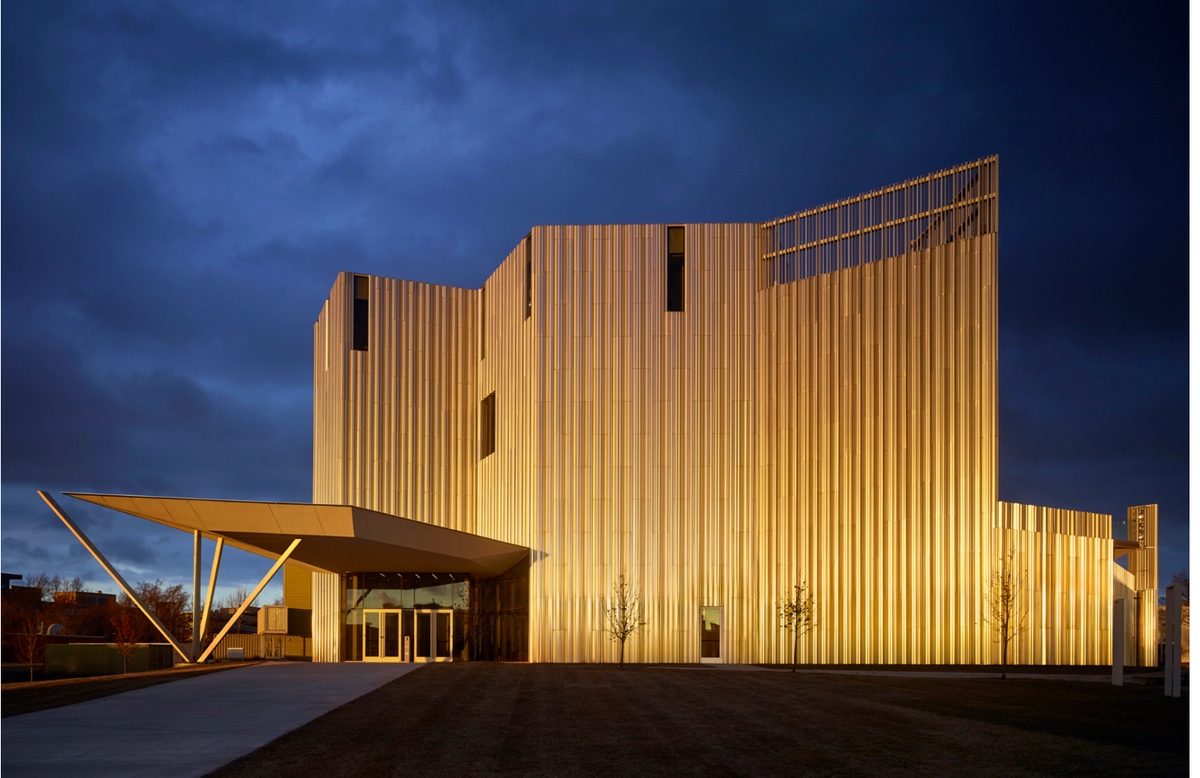
Baton Rouge Gallery wants to transform itself from a cramped former poolhouse into a facility capable of hosting national touring exhibitions alongside local artists of its co-op.
Driving the news: BREC commissioners have approved a $1.3 million design contract with NANO, a New Orleans-based firm, which is partnering with architect Gabriel Smith. His portfolio includes work on Glenstone in Potomac, Maryland, and the North Carolina Museum of Art in Raleigh—institutions that sit comfortably in the upper tier of American gallery design.
The big picture: The current gallery occupies less than 3,000 square feet inside a repurposed poolhouse in City Park. The proposed gallery could exceed 15,000 square feet—a fivefold expansion. Early designs are expected this summer, with a completed plan later this year. Final costs and funding sources remain to be determined, but private donors and local government organizations fund such projects.
Why it matters: Sasaki is conducting a master plan for City Park, and the surrounding lakes are entering a new phase of development. For the first time in years, there is an open window for the gallery to be embedded in the park's long-term vision rather than treated as an afterthought.
- The building's history carries weight, too. The original pool was shuttered during an era when BREC barred Black swimmers—a context that sharpens the question of what a reimagined public space ought to represent for the generations to come.
Gallery, by the numbers:
- 17,000+ annual visitors
- 650 or so attendees at monthly openings—crammed into two small rooms, with a narrow hallway connecting them
- The annual Surreal Salon Soirée draws hundreds, even in Louisiana's damp winter cold
What they're saying: Director Jason Andreasen says the gallery's footprint is mismatched with Baton Rouge's standing as capital of the nation’s most culturally rich state. Expanding the space, he says, would draw visitors to the city while giving its own artists a stage that does not require them to shuffle past one another sideways.
A model: Oklahoma Contemporary offers a compelling precedent. In 2020, it relocated from an aging fairgrounds facility into a 54,000-square-foot campus in the Innovation District. Annual attendance projections leapt from roughly 18,000 to 90,000, with an estimated local economic impact of $8.6 million.
Between the lines: Arts investments generate measurable returns—jobs, ancillary spending, tourism. But the less quantifiable dividend may matter more: pride, or the civic confidence that comes from having a place worth showing off.
The bottom line: Baton Rouge Gallery has the audience, the architects and a once-in-a-generation planning window aligned simultaneously. If the gallery lands this, it will not merely gain a larger exhibition space. It will gain visible proof that Baton Rouge can deliver on its ambition.